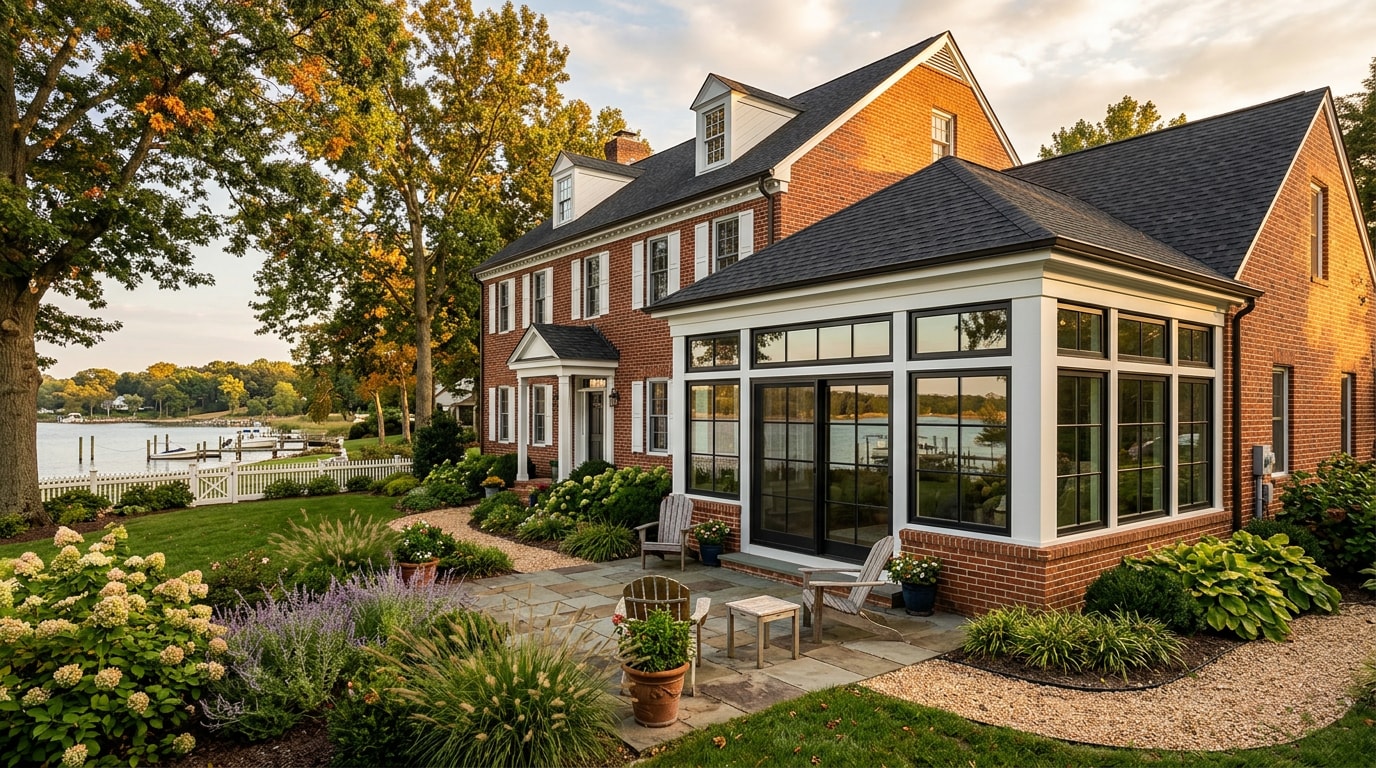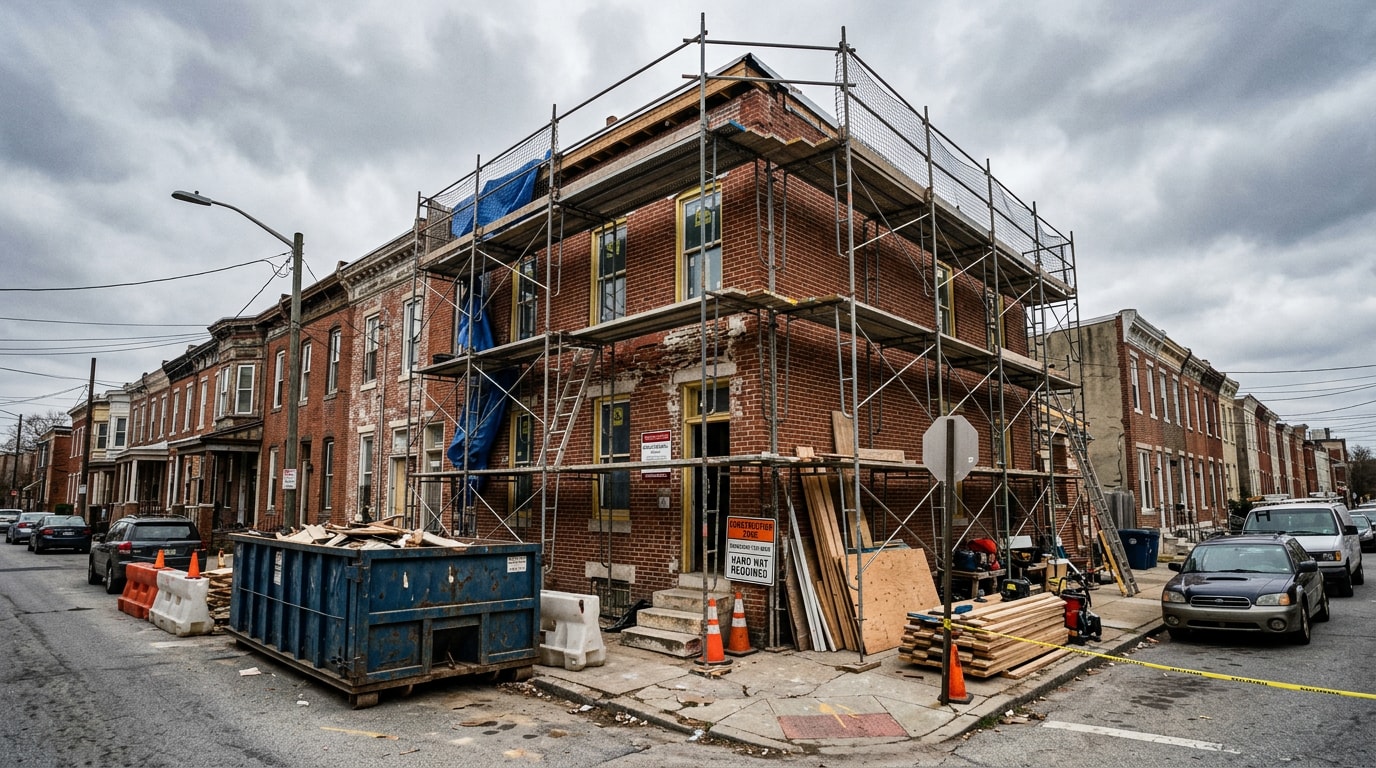
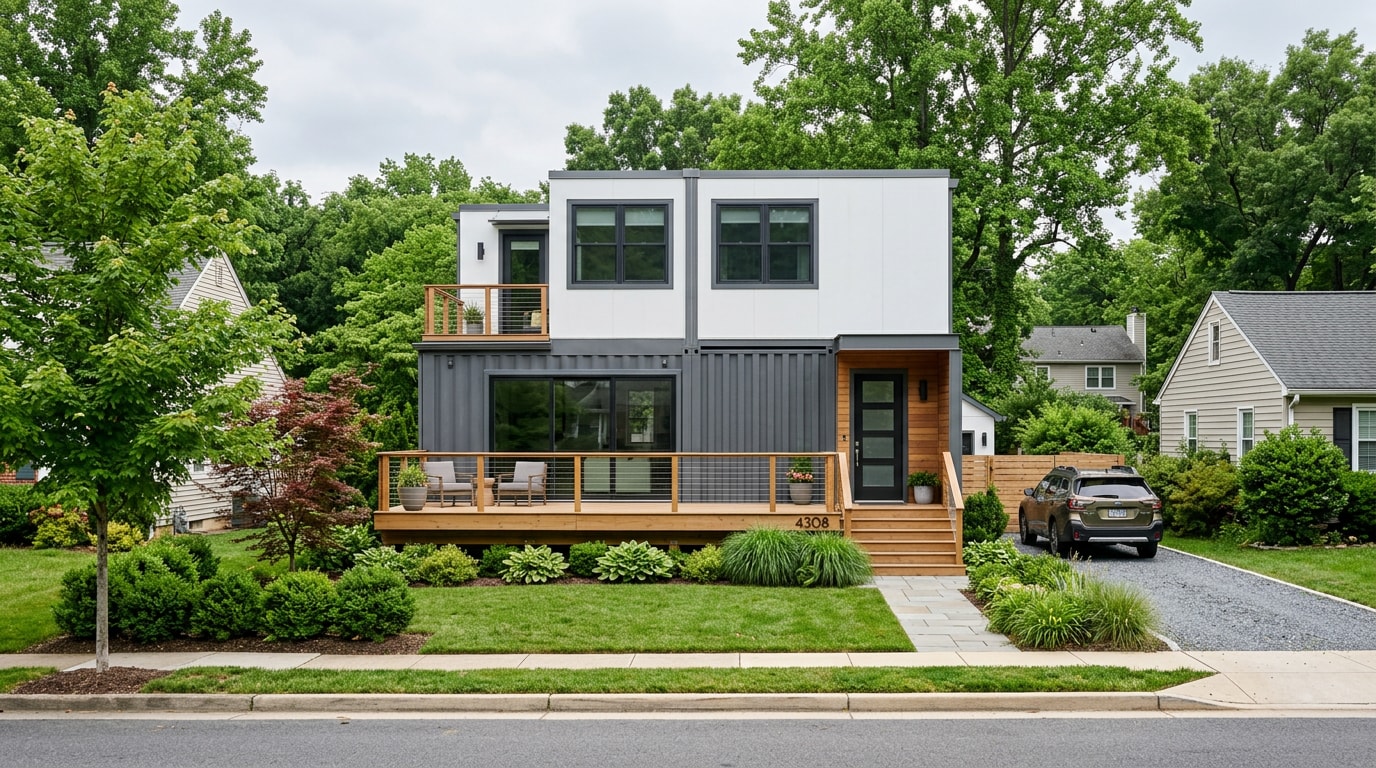
Finding reliable shipping container home builders in Baltimore County, MD takes more digging than a quick search. Cost estimates for the same zip code swing by tens of thousands of dollars depending on which site you land on, and zoning rules change block by block. This guide walks through the vetting checklist, the real cost drivers, and the permitting steps before you sign a contract.
Why Baltimore County Homeowners Are Exploring Container Homes
Construction costs across Maryland have climbed steadily, and housing supply hasn't kept pace in many suburban corridors. That gap is pushing more buyers toward alternative builds that promise speed and a lower entry price.
Teardown lots in older Baltimore County neighborhoods and growing demand for backyard accessory dwelling units (ADUs) have made container builds a practical option for homeowners who already own land. Reusing steel that would otherwise sit in a shipping yard also fits a broader preference for lower-waste construction, which is part of why interest in container homes keeps climbing even as material costs rise.
How to Choose a Shipping Container Home Builder in Baltimore County
Vetting a container home builder takes a different checklist than hiring a typical remodeler. Start with licensing, then move to container-specific experience, then get everything priced out in writing before you commit.
Maryland's container-building landscape splits into two groups. A small number of specialty builders handle container conversions exclusively, with hands-on experience cutting openings, welding seams, and managing moisture in steel structures. The larger group is general contractors who occasionally take on a container project alongside traditional additions, remodels, and new builds. Both can produce solid results, but container-specific experience matters more here than it would for a conventional home, since mistakes in structural cuts or moisture control are expensive to fix after the fact.
Here's the practical difference between the two builder types:
- Specialty container builder: In-house experience with container modification, established relationships with structural engineers, faster quoting on container-specific line items.
- General contractor subcontracting the work: Broader project management and site-work capability, but often brings in a third-party container fabricator, which adds a coordination layer.
Before you sign anything, confirm these four things:
- Licensing. Any contractor performing home improvement work on a Maryland residence valued over $500 must hold a current license. Check status directly through the Maryland Home Improvement Commission's license lookup tool rather than trusting a number printed on a truck.
- Jurisdiction-specific permit history. Ask whether the builder has pulled permits specifically in Baltimore County, not just Baltimore City. The two jurisdictions run separate permitting offices with different requirements.
- Container-specific project photos. A general remodeling portfolio doesn't tell you anything about welding quality or moisture management. Ask to see completed container work.
- Structural engineering sign-off. Any cut opening for a door or window removes load-bearing steel. Ask whether a licensed structural engineer reviewed those cuts, and get it in writing.

Get container grade, insulation method, and a line-item cost breakdown in the written contract, not a verbal promise. If you're weighing a container build against a more conventional addition or new structure on the same lot, our custom home construction and home additions teams can walk through site prep, foundation work, and permitting for either path. Get a free estimate before you commit to a builder or a method.
What Is a Shipping Container Home?
A shipping container home is a residential structure built from one or more steel cargo containers, modified with insulation, framing, windows, and utilities to function as a livable space. It differs from a modular home, which is factory-built in sections, and from a stick-built house framed entirely on-site with wood.
Single-container builds work well for small studios or ADUs, while multi-container homes stack or combine units side by side for larger floor plans. A container home still needs a permanent foundation and standard code-compliant systems once it's modified for living. That's a point worth repeating because it gets glossed over online: the U.S. Department of Housing and Urban Development treats a container converted into housing the same way it treats a modular or site-built home, subject to state and local building codes, not a separate lighter-touch category.
The appeal comes down to four things: speed, cost, durability, and sustainability. The frame arrives already built, which trims weeks off a typical framing timeline. The corten steel shell holds up well against wind and pests, and repurposing retired containers keeps steel out of scrapyards. None of this means a container home is automatically cheaper once insulation, utilities, and finish work are factored in, but it does give buyers a different cost curve than conventional construction.
Zoning & Permitting for Shipping Container Homes in Baltimore County, MD
Zoning for container structures isn't uniform across Maryland. Baltimore County rules can differ meaningfully from both Baltimore City and surrounding counties, so assumptions based on a neighbor's project in another jurisdiction can lead homeowners astray.
Regional Variations in Zoning Laws
Each Maryland jurisdiction sets its own zoning rules. Baltimore County's zoning ordinance splits much of the county into rural residential and suburban residential districts, each carrying different rules on accessory structures, lot coverage, and setbacks for alternative builds like container homes.
Rural residential zones tend to allow more flexibility for accessory structures and larger lots, which can make container ADUs easier to approve. Suburban residential districts, more common in the county's denser corridors, often carry stricter design review and setback requirements. Baltimore City operates under its own separate code with different accessory-structure allowances, a detail that trips up homeowners who research the city's rules and assume they apply countywide. Confirm current district classifications directly with the Baltimore County Department of Permits, Approvals and Inspections before finalizing a site plan.
When Do You Need a Permit for a Shipping Container in Baltimore County?
Permits typically become necessary once a container moves from temporary placement to residential use. Long-term residential storage, modified container use for occupied living space, and permanent utility connections all generally trigger a permit requirement, unlike short-term loading or unloading placement on a site.
Any container intended as a dwelling, rather than simple storage, needs a full building permit review covering structural modifications, electrical, plumbing, and occupancy standards. Homeowners planning permanent utilities should expect inspections at multiple build stages, similar to a conventional new-construction project. If your project crosses into Baltimore County from a neighboring jurisdiction, our Baltimore County, MD service area page covers the general contracting work we handle locally alongside permitting coordination.
Cost of Building a Shipping Container Home in Maryland
Here's something worth saying plainly: the "typical cost" figures you'll find online for container homes in Baltimore-area zip codes are inconsistent by design. Several popular cost-estimate sites publish different "typical ranges" for neighboring Maryland towns using the same underlying methodology, and the spread between the low and high end of those ranges often exceeds 8x. A single headline number isn't a budget. A line-item breakdown is.
| Cost Category | Typical Range | Notes |
|---|---|---|
| Container purchase | $3,000 – $10,000 | Depends on size, grade, and condition |
| Site prep & foundation | $10,000 – $25,000 | Varies with soil conditions and lot grading |
| Utility hookups | $15,000 – $30,000 | Distance from existing water, sewer, and electrical lines matters most |
| Finish-out labor | $60,000 – $120,000+ | Insulation, drywall, flooring, fixtures; usually the largest single line item |
Cost per square foot generally lands between $150 and $250 once every phase is included, which is comparable to, and sometimes higher than, conventional framing once Maryland labor and permitting costs are factored in. A single-container ADU with modest finishes can land at the lower end of the finish-out range; a multi-container primary residence with a full kitchen and multiple bathrooms pushes toward the top.
If you want a cost comparison for a more conventional build on the same lot, our guide to house construction costs and permits in Harford County breaks down similar line items for traditional stick-built homes in a neighboring jurisdiction.
Sourcing the Right Shipping Container for Your Build
Container condition matters as much as price. A new one-trip container has made a single cargo voyage, meaning minimal wear, no history of chemical cargo exposure, and clean steel that's easier to cut and weld without surprises.
Grade B used containers cost less and still offer solid structural integrity, though expect some surface rust, dents, or cosmetic wear that needs addressing before insulation goes in. Grade C containers, sometimes called wind-and-watertight units, generally should be avoided for residential builds. They're cheaper for a reason, and that reason is usually compromised structural integrity.
Because containers are repurposed from a shipping standard, not a residential building standard, the International Code Council publishes a specific guideline covering how jurisdictions should evaluate them as building elements, including structural modifications and occupancy classification. Any builder quoting a container project should be familiar with ICC G5-2019, even if your local jurisdiction hasn't formally adopted it, because it's the closest thing the industry has to a shared technical baseline for cut openings and reinforcement.
Insulation: The Most Important Decision in a Container Home Build
Steel conducts heat and cold far more efficiently than wood framing, which makes insulation the single most consequential decision in the entire build, especially in Maryland's Mid-Atlantic climate of humid summers and cold, damp winters.
Spray foam generally performs best. It fills irregular gaps, adheres directly to steel, and helps prevent the condensation that steel structures are prone to. It also costs more than other methods, which matters on tighter budgets.
Rigid foam panels offer a more affordable middle ground with solid R-values, though they carry a real risk of thermal bridging at seams and fasteners if installation isn't precise. Blanket insulation, like fiberglass or mineral wool, costs the least but performs worst in steel structures, where trapped moisture and condensation risk run higher than with either foam option.
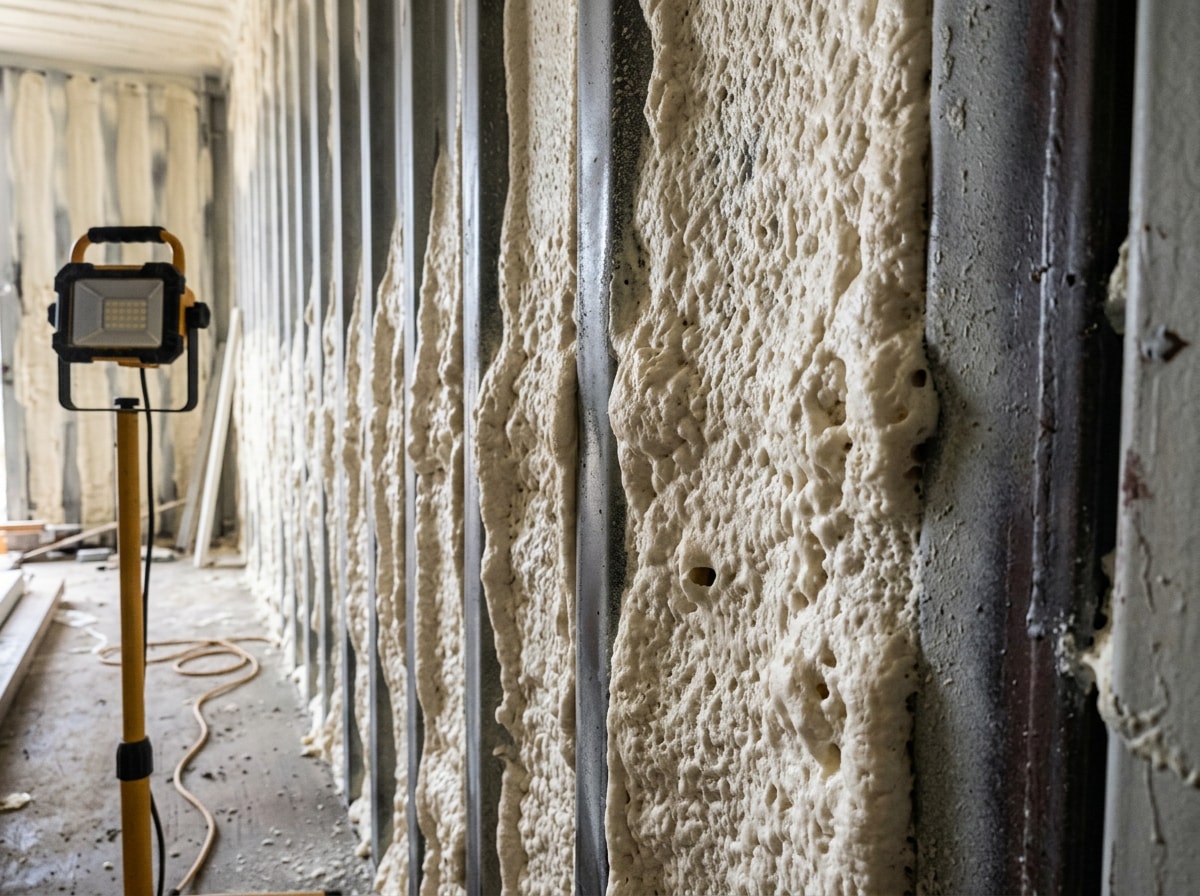
For reference on appropriate R-values in this climate zone, ENERGY STAR's recommended insulation levels are a useful benchmark when comparing contractor proposals, even though they're written for wood-framed retrofits rather than steel new-builds.
Ready to put numbers to your specific lot? Request a free estimate and we'll walk through site prep, foundation, and finish-out scope regardless of which construction method you choose. You can also browse completed local work on our projects page or start from our homepage to see the full range of general contracting services we offer in Baltimore County.
FAQ
Can I build a container home in Baltimore County?
Yes. Container homes and ADUs are generally possible in Baltimore County, but every project must comply with local zoning classifications, building codes, and permitting requirements, which vary by district.
Do I need a permit for a shipping container in Baltimore County?
Temporary storage placement often doesn't require a permit, though it's worth confirming with the county first. Permanent installations intended for living space typically do require a full building permit covering structural, electrical, and plumbing work.
Are shipping container homes legal in Maryland?
Yes, container homes are legal statewide, but they remain subject to local zoning and building codes just like modular and site-built homes. Rural counties tend to be more permissive than denser suburban jurisdictions.
How much does a shipping container home cost to build in Maryland?
Expect roughly $150 to $250 per square foot once container purchase, site prep, utilities, and finish-out are all included. A single-container ADU with modest finishes lands at the lower end; a multi-container primary residence with full kitchens and bathrooms pushes higher. Treat any single "average cost" figure you find online with caution, since published ranges for Maryland zip codes vary dramatically by source.
Is it cheaper to build a container home than a traditional house in Baltimore County?
Not automatically. The container shell itself is inexpensive, but foundation, utility hookups, insulation, and finish-out labor often bring the total cost per square foot close to, or above, conventional framing once Maryland labor rates are factored in.
Can you get a mortgage for a shipping container home?
Conventional mortgage lenders evaluate container homes the same way they evaluate any other property: based on appraised value, comparable sales, and compliance with local building codes. Because container homes are still uncommon in Baltimore County, finding comparable sales for an appraisal can take longer than it would for a standard build, which is worth planning around if financing is part of your timeline.
---
This guide was prepared by the general contracting team at LP Homes Inc, which performs site prep, foundation, additions, and finish-out work for alternative and traditional residential builds across Baltimore County, MD. Our crews coordinate directly with county permitting offices on structural and occupancy reviews for non-standard construction projects. Questions about a specific lot or project scope can go directly to our team through the contact page.