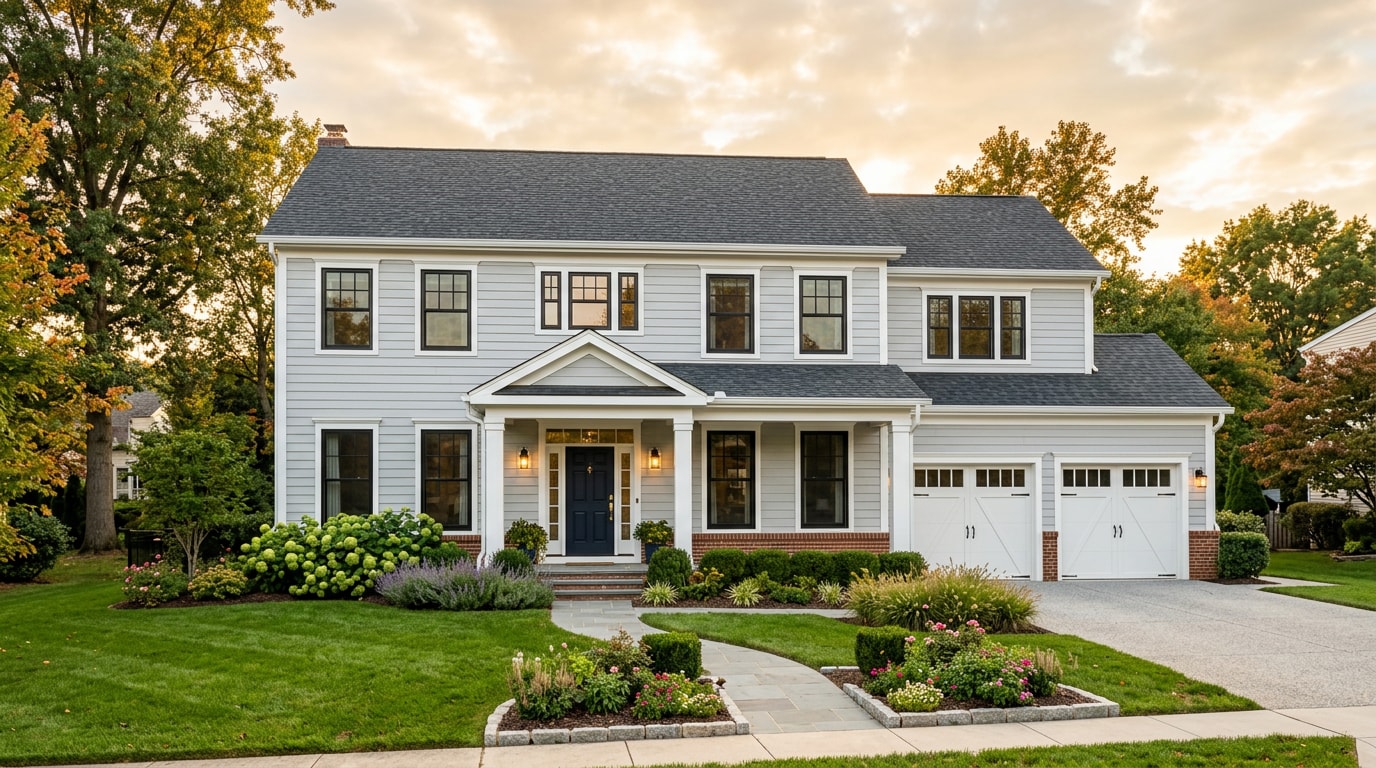
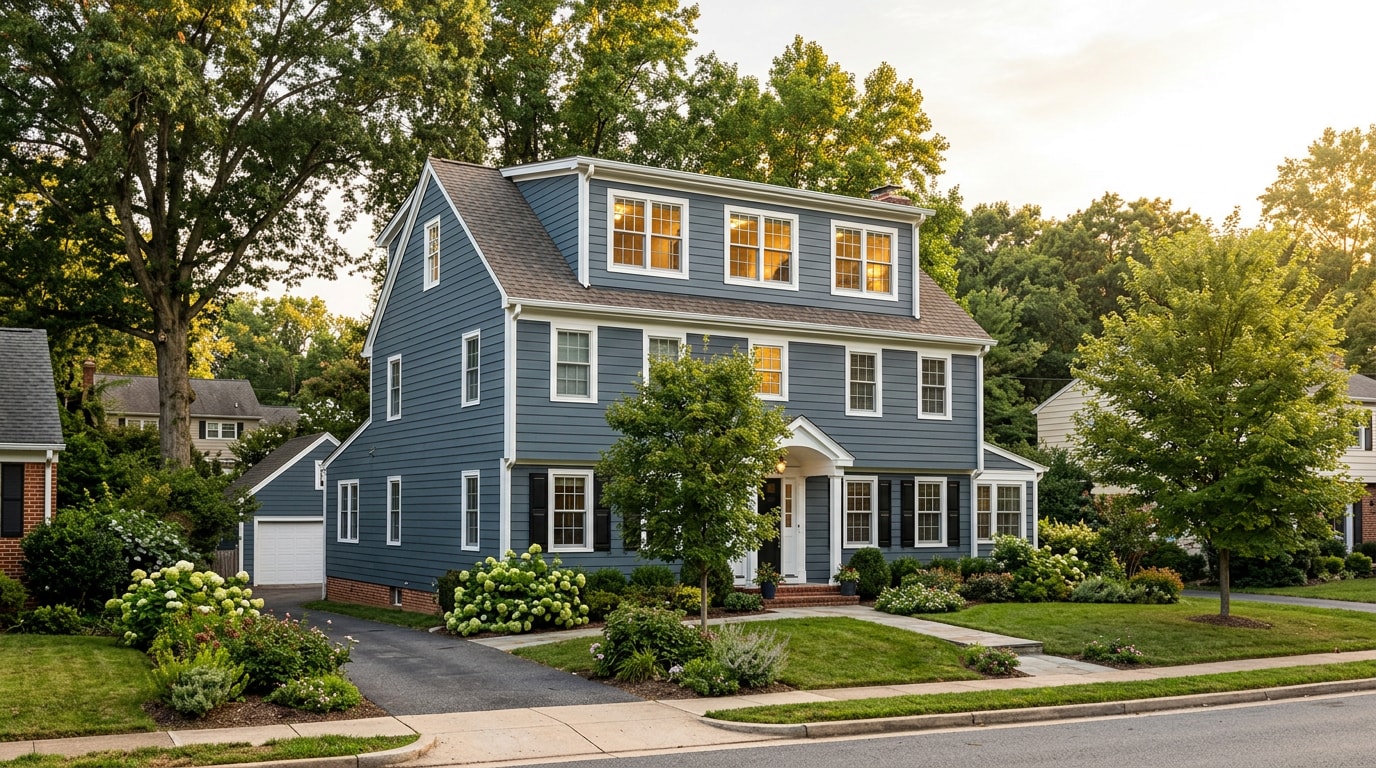
An ADU renovation in Harford County, MD turns an attic, basement, or garage into a self-contained living space, but only if you clear the county's relative-occupancy and size rules first. Get the zoning wrong and you can lose weeks to a rejected permit application. This guide covers what's legal today, what a new 2026 state law could change, and what the work actually costs.
What Is Considered an ADU in Maryland?
An accessory dwelling unit (ADU) is a secondary, self-contained living space, complete with its own kitchen, bathroom, and sleeping area, built on the same lot as a primary single-family home. Maryland doesn't set one statewide standard for ADU rules; each county, including Harford County, writes its own zoning code for size, placement, and use.
That local control is why an ADU renovation in Harford County looks different from a similar project in Baltimore County or Anne Arundel County. Locally, an ADU is almost always carved out of existing space, like a basement or attic, rather than built as a detached structure. If you're also weighing a larger-scale project, our home addition services cover both ADU conversions and ground-up expansions.
What Are the Basic Requirements to Build an ADU in Harford County?
Once you know what legally qualifies as an ADU, the next question is whether your property can have one. Harford County's zoning code controls three things: where ADUs are allowed, how big they can be, and how they must function inside the home.
Are ADUs Allowed in Harford County? (Zoning Districts)
ADUs are permitted by right in most of Harford County's residential and agricultural zoning districts, including AG, RR, R1 through R4, RO, and VR. The county restricts occupancy to a relative of the homeowner, so the purpose of the ordinance is to let a relative live in an accessory dwelling unit within a family member's principal dwelling.
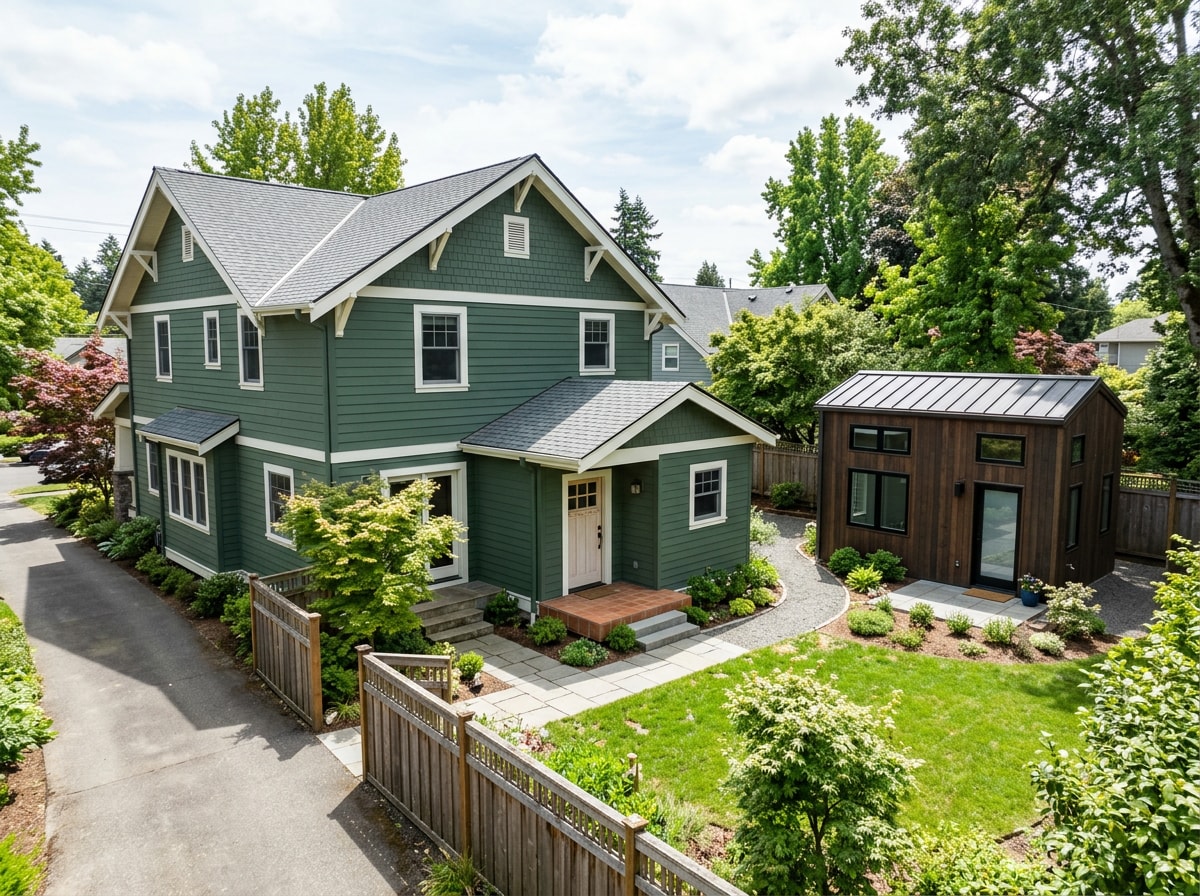
Here's where a lot of homeowner research goes wrong: several contractor sites describe Harford as allowing detached backyard ADUs. The county's own zoning code defines an ADU as an independent, self-contained dwelling unit located within a single-family detached dwelling, and the ADU must be separated from the principal home by a wall or floor with an interior connecting door. In plain terms, that means converted basements, attics, or interior additions qualify today; a freestanding guest cottage does not. For the full definition and district list, see Harford County's zoning code on accessory dwelling units.
How Big Can an ADU Be in Harford County?
Harford County sets a 300-square-foot minimum for an ADU. The maximum is the lesser of 1,500 square feet or 50% of the primary home's habitable square footage. The county also caps the unit at two bedrooms, which keeps the ADU clearly subordinate to the main house.
These size limits apply whether you're converting an attic, a garage, or adding a small interior wing. Square footage calculations typically exclude unfinished storage space, so confirm your layout with a contractor before assuming it qualifies.
Separation, Entrances & Design Requirements
Because Harford's ADU must sit within or attached to the primary home, it shares that structure's existing setbacks and height, there's no separate height allowance to worry about. What the code does require is a physical separation: the ADU needs its own cooking, living, sanitary, and sleeping facilities, divided from the main house by a wall or floor and connected by an interior door. Zoning officials also expect exterior finishes, siding, rooflines, and trim, to visually match the primary home, so a finished ADU should read as part of the house, not an obvious add-on.
Do You Need a Permit for an ADU Renovation in Harford County?
Because an ADU functions as a full legal dwelling unit, Harford County reviews it that way during permitting. Most projects trigger a zoning certificate application plus a building permit, and often separate electrical, plumbing, or mechanical sub-permits depending on scope.
As part of the zoning certificate application, the property owner must submit a signed ADU agreement of understanding along with a copy of the deed, confirming the unit will be used according to the county's occupancy rules. In our experience managing these applications across Harford County, the zoning certificate step is the piece homeowners most often underestimate. Build at least four to six weeks into your schedule before construction can start. A contractor familiar with Harford's review process, part of our general contractor services, can help you avoid avoidable delays.
How Much Does an ADU Renovation Cost in Harford County?
Once you've confirmed an ADU is allowed on your lot, cost is usually the next question. Pricing varies widely depending on the conversion type and your home's existing condition.
ADU Cost by Type: Attic, Garage & Interior Conversions
Three renovation paths cover most ADU projects locally: converting an attic, converting a garage, or finishing out an existing interior space such as a basement. Each comes with a different cost range, timeline, and tradeoff.
| ADU Type | Typical Cost Range | Typical Timeline | Pros & Cons |
|---|---|---|---|
| Attic ADU conversion | $45,000–$75,000+ | 2–4 months | Lower cost, uses existing footprint; limited by roofline and ceiling height |
| Garage conversion | $75,000–$150,000+ | 3–5 months | Stays within the existing structure; often needs added insulation and new utility runs |
| Basement/interior conversion | $60,000–$130,000+ | 3–5 months | Reuses existing foundation and walls; may need egress windows and moisture control |
These are planning-level estimates, not quotes. Harford County's older housing stock and larger rural lots can push attic and garage projects toward the higher end once structural or utility upgrades enter the picture. If your plans extend beyond the ADU itself, our whole-home remodeling cost guide for Harford County breaks down pricing for larger-scope renovations.

What Affects the Cost of Your Remodel?
Five factors drive most of the swing in an ADU renovation budget:
- Project size and scope — more square footage and more rooms raise material and labor costs.
- Condition of the existing structure — older framing, insulation, or roofing adds prep work.
- Material choices — flooring, cabinetry, and fixture grades shift the budget significantly.
- Structural work — reinforcing floor joists for a second kitchen is often the biggest wildcard in any estimate.
- Permit and code-compliance costs — zoning certificate fees, inspections, and any required upgrades to meet current code.
Older Harford County homes often need plumbing or electrical upgrades before an ADU can be added. That raises the upfront cost but also brings the whole house up to current standards.
Granny Flats, In-Law Units & Other Names for an ADU
Homeowners researching this topic often use different terms for the same concept. Granny flat, granny pod, in-law suite, accessory apartment, and backyard cottage all generally describe an ADU, though some overlap with "tiny house" when the structure is small. Whatever term you search, the legal definition in Harford County comes back to the zoning rules covered above.
Why Build an ADU on Your Existing Property?
Most homeowners consider an ADU for one of three reasons: housing an aging parent or adult child nearby, adding living space without buying new land, or simply making better use of an underused attic or garage. Because current Harford County rules tie occupancy to a relative, income-generating rentals aren't the driver here the way they are in some other Maryland counties, at least not yet.
Our full home remodeling services cover ADU conversions alongside larger renovation work, so you can plan the whole project with one team. Ready to scope your project? Get a free estimate before you finalize a layout.
Our Design-Build Renovation Process
A design-build approach keeps your ADU renovation moving through four stages, from first conversation to final walkthrough, with one team accountable the whole way.
Initial Consultation
The process starts with a conversation about your goals, how you plan to use the space, and a realistic budget range before any design work begins.
Design and Planning
From there, the scope gets defined in detail: room layout, material selections, and a construction timeline that accounts for Harford County's permit review schedule.
Permitting and Selections
Your contractor should handle the zoning certificate and building permit submissions specific to Harford County while you finalize finishes and fixtures.
Construction
A licensed crew carries out the build, with regular updates so you know what's happening on-site through final inspection and completion.
Finding the Right Contractor for Your ADU Renovation
Not every path to an ADU looks the same, and the right one depends on budget, timeline, and how hands-on you want to be.
| Approach | Typical Cost | Timeline | Risk Level |
|---|---|---|---|
| Design-build firm | Mid-range, bundled pricing | Fastest, one point of contact | Lower — one team accountable for design and construction |
| Separate architect + GC | Higher, two sets of fees | Slower, more coordination needed | Moderate — miscommunication between parties is common |
| Owner-builder/DIY | Lowest upfront, but permit delays add cost | Longest, unpredictable | Highest — code mistakes can trigger rework or failed inspections |
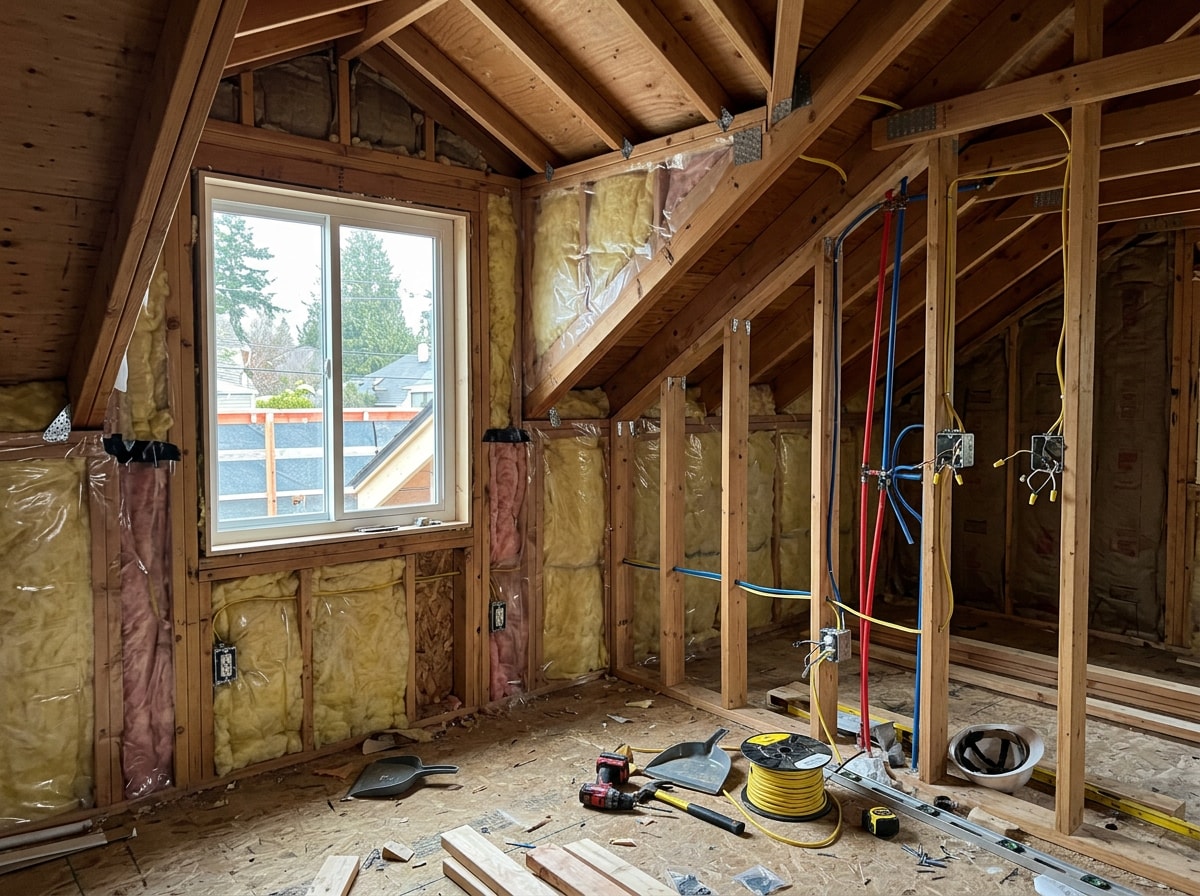
Local code knowledge matters more than it sounds. On a recent Harford County attic conversion we worked on, catching the relative-occupancy requirement during early zoning coordination, before framing began, saved the homeowner from a costly mid-project redesign. Whichever path you choose, confirm MHIC licensing, insurance, and direct experience with older housing stock before signing anything. Browse our completed project portfolio to see that experience firsthand.
Maryland's 2026 Statewide ADU Law: What It Could Mean Locally
This is the part most Harford County ADU content misses. In April 2025, Maryland enacted SB891/HB1466, a statewide policy requiring every county and municipality to adopt a local ADU-enabling ordinance by October 1, 2026. The state bill defines an ADU far more broadly than Harford's current code: up to 75% of the primary home's size, and allowed as either an attached addition or a fully separate structure.
That's a significant gap from Harford's current 50%-of-habitable-space cap and within-the-home requirement. The law doesn't automatically override local zoning; it requires the county's legislative body to adopt a compliant local law by the deadline. For homeowners, that means detached ADUs and larger units could become legal here, but only once Harford County updates its own ordinance, not before. Track the bill's language directly on the Maryland General Assembly's HB1466 page or the Maryland Department of Planning's ADU FAQ for local governments.
Communities We Serve Throughout Harford County
We've completed ADU renovation projects throughout Bel Air, Fallston, Havre de Grace, Jarrettsville, Churchville, and Abingdon, among other Harford County communities. Local experience means fewer surprises with county-specific permitting and inspection schedules. See our full Harford County service area coverage for more communities, or visit L&P Homes to learn more about how we approach design-build projects across the region.
Why Homeowners Trust L&P Homes With Harford County ADU Renovations
L&P Homes is a Maryland Home Improvement Commission (MHIC) licensed design-build contractor working on additions, conversions, and full-home renovations throughout Harford, Baltimore, and Southern Cecil County. Our team manages zoning certificate applications, permit submissions, and construction in-house, which is why we catch relative-occupancy and separation requirements before they become framing problems. If you want a straight answer on whether your attic, garage, or basement qualifies for an ADU, contact us for a free, no-pressure consultation.
FAQ
Can I Rent Out an ADU in Harford County, MD?
Current rules tie ADU occupancy to a relative of the homeowner rather than an open-market tenant, so a traditional rental arrangement isn't permitted under existing zoning. That restriction stays in place until Harford County updates its code to comply with the state's October 2026 deadline.
Are Harford County's ADU Rules Changing in 2026?
Yes, likely. Maryland passed statewide legislation (SB891/HB1466) requiring every county, including Harford, to adopt updated ADU-enabling ordinances by October 1, 2026. That could loosen the relative-occupancy restriction and open a path to larger or detached ADUs, though exact local changes won't be final until the county updates its code.
Can I Build a Detached ADU in Harford County?
Not yet, under current code. Harford County's zoning code defines an ADU as located within a single-family detached dwelling, so a standalone unit in the backyard isn't a by-right option today. That may change once the county updates its ordinance ahead of the 2026 state deadline.
Does My ADU Need Its Own Entrance and Utilities?
Yes. Harford County requires an ADU to have its own cooking, living, sanitary, and sleeping facilities, physically separated from the main home by a wall or floor with a connecting interior door. Many homeowners also add a separate exterior entrance for convenience, though exact configuration depends on your layout.
How Long Does ADU Permitting Take in Harford County?
Plan on several weeks minimum. The zoning certificate requires a signed ADU agreement of understanding and a copy of your deed before the county issues approval, and that's before the building permit review even starts. Experienced local contractors build four to six weeks of lead time into their schedules for this step alone.
Will an ADU Increase My Property Taxes in Harford County?
Likely, yes, once the work is complete and recorded. Permitted improvements are tracked for assessment purposes, and a pending new construction permit can trigger an out-of-cycle valuation if the added value is significant. Check the Maryland SDAT's assessment glossary for how permitted work factors into your next reassessment.