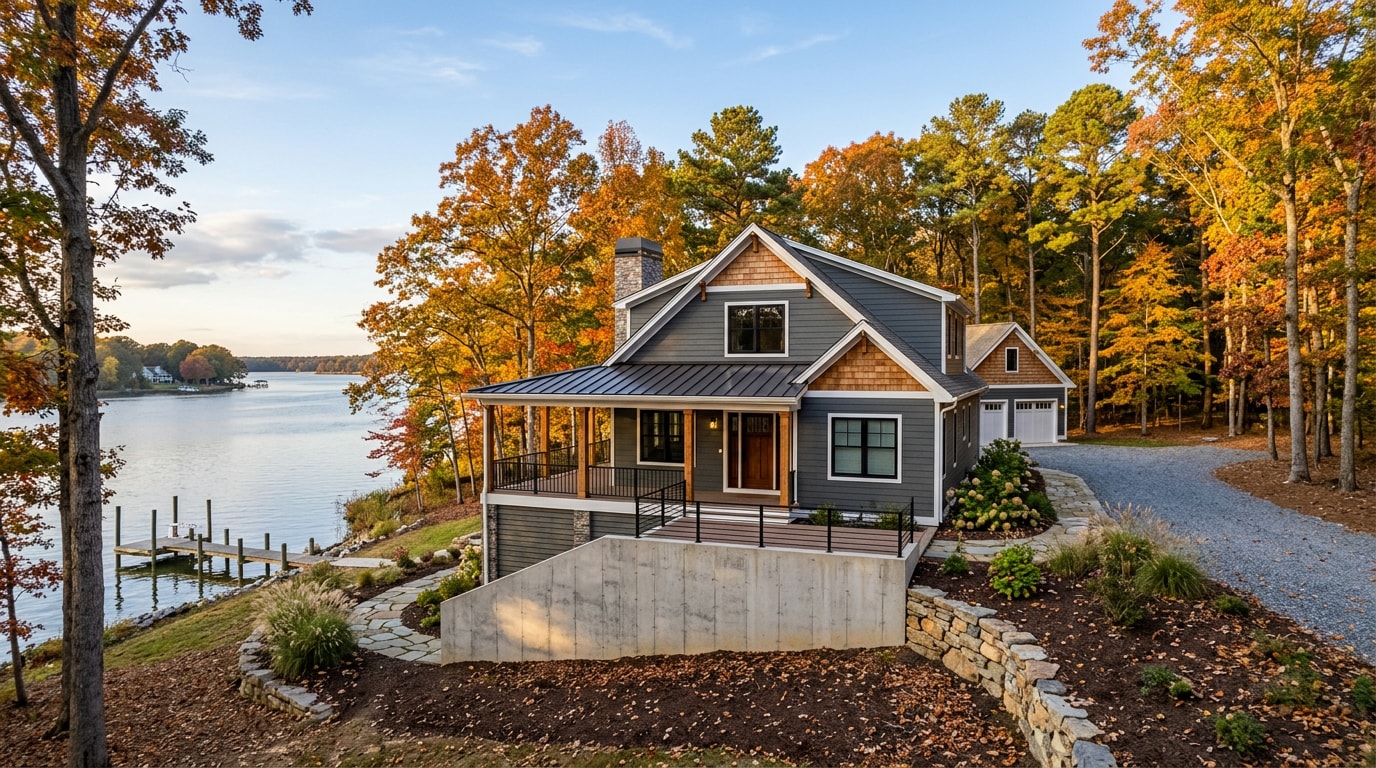
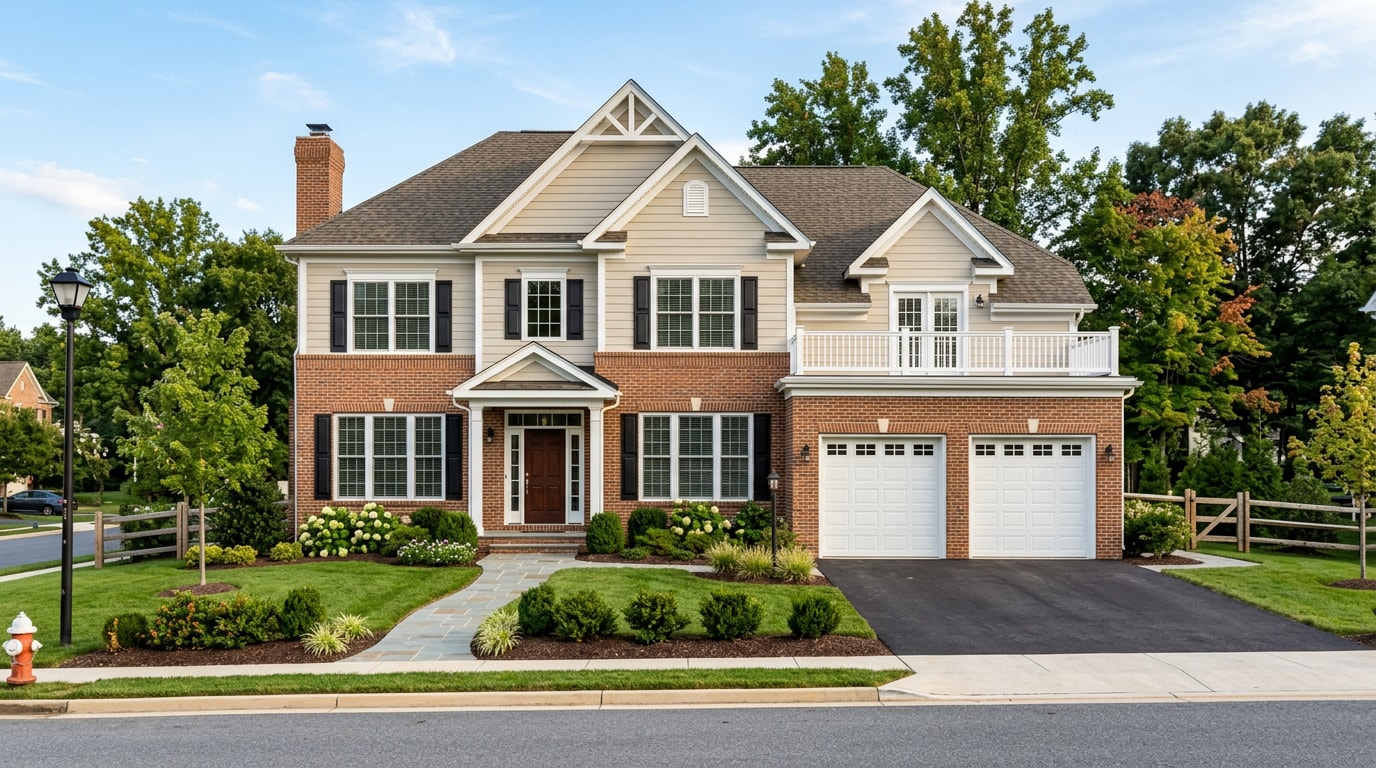
Hiring the right construction builder in Baltimore County, MD takes more than comparing quotes. It means understanding the Urban-Rural Demarcation Line, current permit rules, and realistic 2026 costs before you sign a contract. This guide breaks down what drives your budget and timeline, including a county ballot measure that could reshape rural building rules this year.
Why Baltimore County?
Baltimore County sits in a sweet spot. Land typically costs less than in Howard or Anne Arundel counties, yet commutes into Baltimore City and BWI stay manageable.
The county also offers a mix few neighbors can match: dense suburban neighborhoods near the city line and genuinely rural acreage further out. That split shapes nearly every decision a builder walks you through, starting with where your lot sits relative to the county's defining zoning line. Our Baltimore County service area page covers the specific communities we build in.
The URDL: Baltimore County's Defining Feature
Before cost or timelines, it helps to understand the one factor that determines what you can build and where.
What Is the URDL?
The Urban-Rural Demarcation Line, or URDL, is a planning boundary that splits the county into two zones. In 1967, the Planning Board approved to establish the Urban-Rural Demarcation Line (URDL), maximizing the efficiency of County revenues on infrastructure in urban areas and preserving important natural and agricultural resources in rural areas.
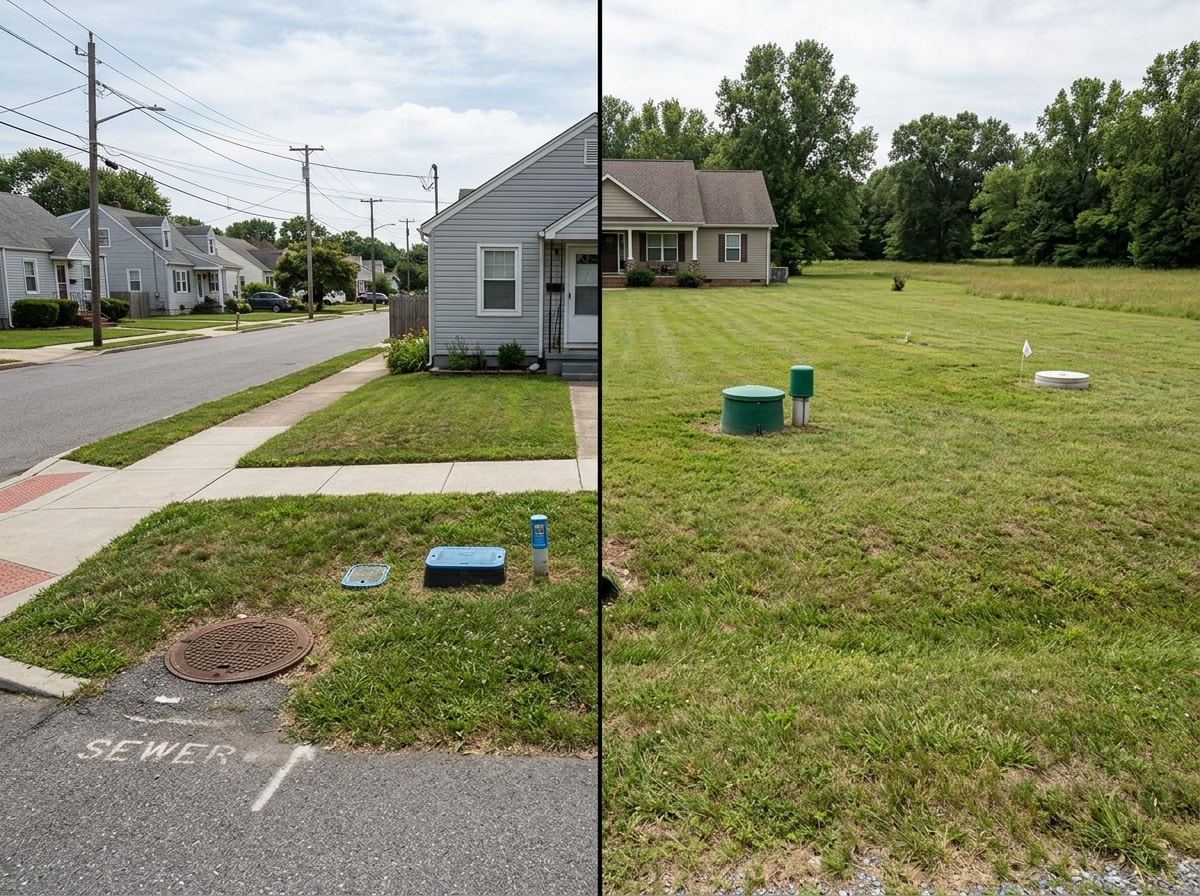
Lots inside the line generally support smaller parcels and faster utility hookups. Lots outside it rely on private systems and larger minimum acreage.
Why the URDL Matters Now More Than Ever
Where your lot falls relative to the URDL changes your budget significantly. Inside the line, homes connect to public water and sewer, which keeps site development costs lower. Outside the line, you need a well, a septic system, and a passed perc test before permitting even starts.
Here's the part most builder sites won't tell you: the line itself may become harder to move. The Baltimore County Council has advanced a measure that would require a supermajority to build in designated rural areas of the county, and the charter amendment will now go before voters in 2026. If it passes, breaching the URDL would need a six-of-nine council supermajority instead of a simple majority, making rural-side rezoning even rarer.
That's one more reason to verify your lot's URDL status with current planning data before you get attached to a piece of land. For the official boundary map, see Baltimore County's history of master planning page (linked here as the Baltimore County Department of Planning).
Construction Costs and What You Get
Cost is usually the first question, and the honest answer is: it depends heavily on URDL status and finish level.
Based on recent project data from builders working across the county, typical 2026 pricing looks like this:
| Build Tier | Price per Sq. Ft. | What's Typically Included |
|---|---|---|
| Standard custom build | $185 – $230 | Stock plans, mid-grade finishes, standard site work |
| Mid-range custom build | $230 – $290 | Semi-custom design, upgraded finishes, more site flexibility |
| Luxury custom build | $320+ | Full custom design, premium finishes, extensive site work |
These are regional estimates, not a quote. A 2,500 square-foot home, land and typical site development included, commonly lands between $550,000 and $800,000 depending on lot condition and URDL status.
Nationally, the picture has shifted. Residential construction spending was estimated at a seasonally adjusted annual rate of $894.6 billion in August 2026 , which is down from the year before. Slower national residential activity has eased some material and labor pressure compared to 2022–2023, but local site costs still swing more on URDL status than on national trends.
The Baltimore County Permit Process
Permitting trips up more homeowners than almost anything else in the build process, usually because people underestimate what triggers a review.
New construction, structural additions, and most significant renovations all require a permit. All applications for building, plumbing, electrical and other construction permits must be completed online, though public work stations and staff are available in the lobby to help customers create their accounts.
The code itself changed recently. The most recent edition of the Baltimore County Building Code was enacted by Baltimore County Council Bill Number 49-24, which became effective on September 3, 2024, adopting with certain amendments the 2021 editions of the Building, Energy Conservation, Mechanical, Residential, and Swimming Pool and Spa codes. If your builder is still quoting the old 2015 codes, that's a red flag.
Only a licensed contractor, or the homeowner in limited cases, can legally pull a permit. A legitimate builder should also carry active Maryland Home Improvement Commission (MHIC) registration. You can verify any contractor's status for free through the Maryland Home Improvement Public Query (see note below) run by the state Department of Labor.
Note: the MHIC lookup tool lives on the state's own licensing system. Search by business name, personal name, or license number before you sign anything.
Custom Home Building Services
Ground-up construction isn't the only reason homeowners call a builder. Many projects start with an existing house that just needs more room or a different layout.
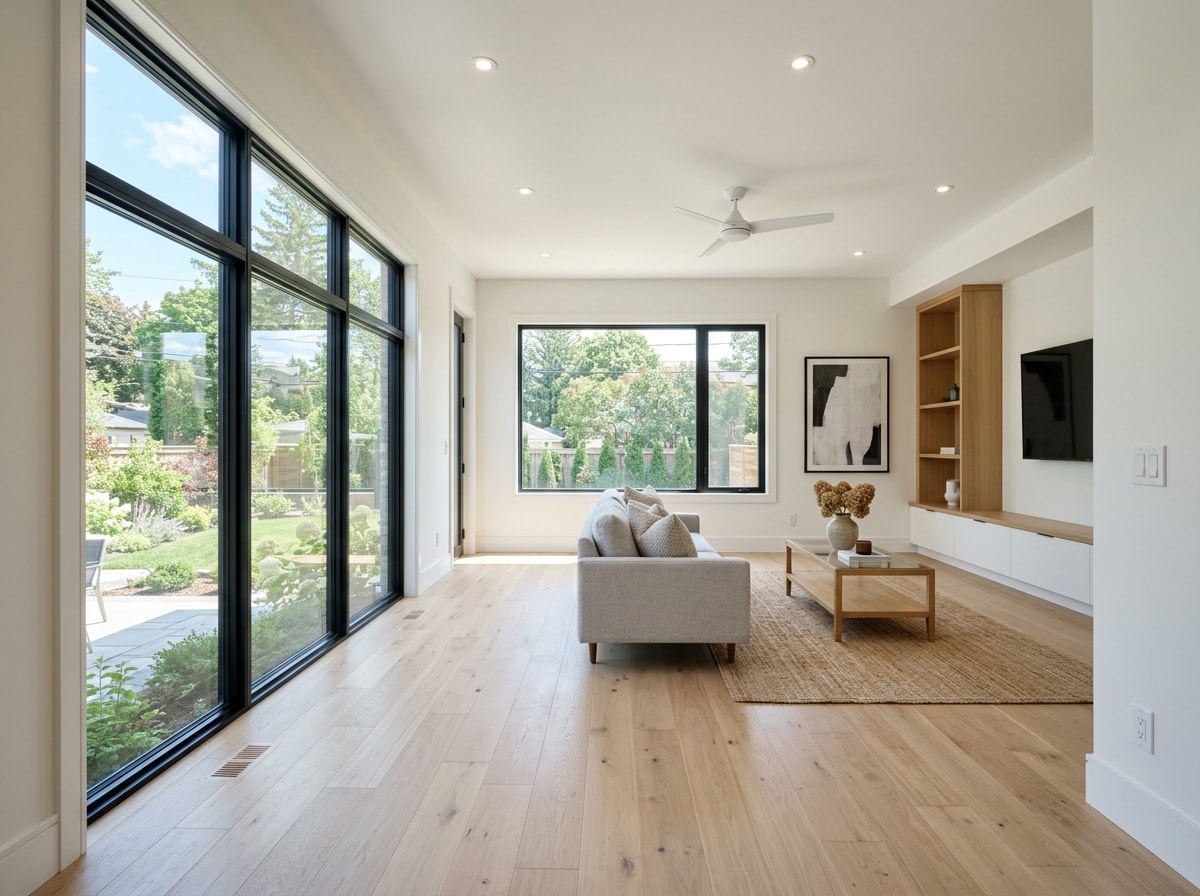
- Room additions add bedrooms, bathrooms, or living space without the cost of buying new land. See our home additions services for scope and process.
- In-law suites create private living space for aging parents or adult children. A finished basement is often the most cost-effective way to add one.
- Full home remodeling covers whole-home renovations, garage conversions, and home-office builds. Explore full home remodeling for details.
- Custom home construction starts from the ground up on land you own or help us find. Our custom home construction page walks through the process step by step.
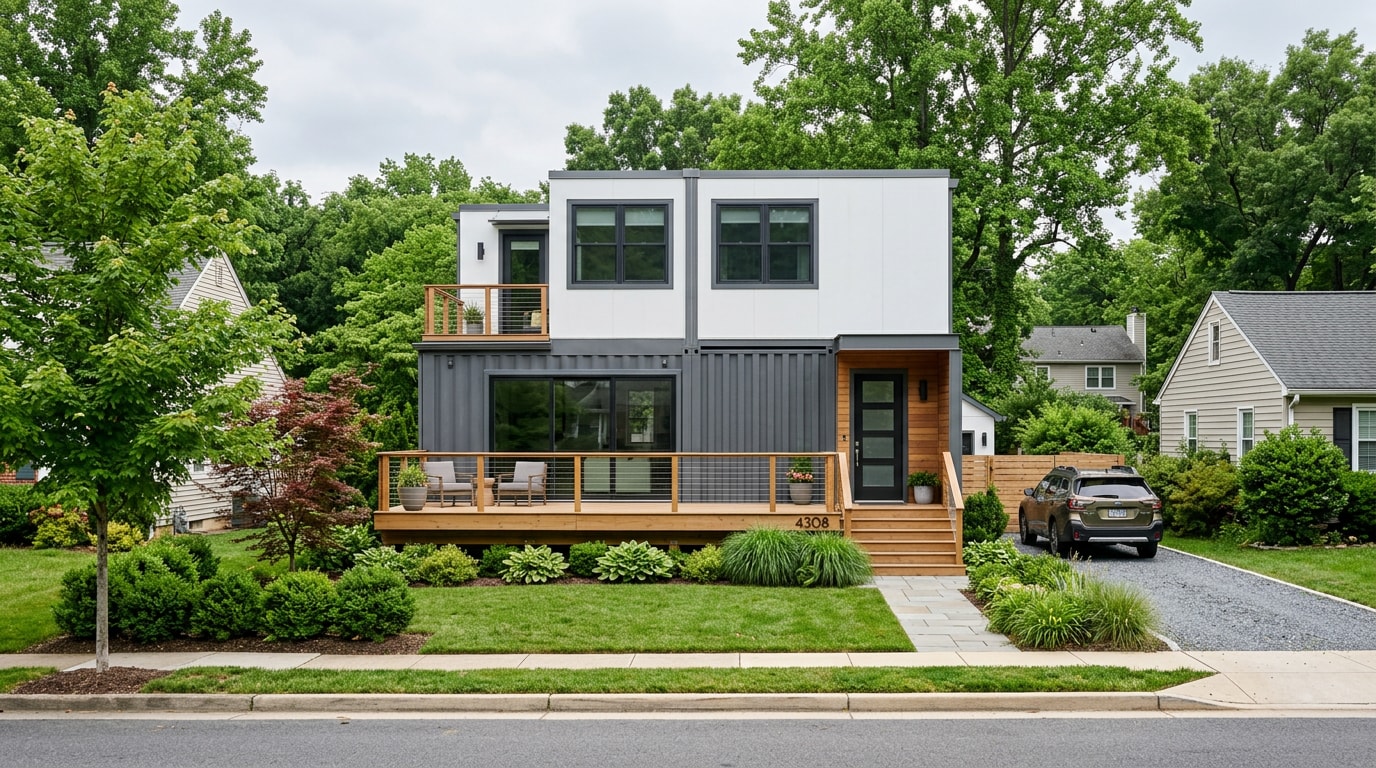
If raw land is scarce or expensive in your target neighborhood, some homeowners are also exploring alternative build methods. Our shipping container home builders guide covers what that process looks like in Baltimore County specifically, including URDL and permitting considerations unique to container builds.
New Construction Across Baltimore County
New construction activity spreads across several distinct pockets of the county, each with its own character and URDL status.
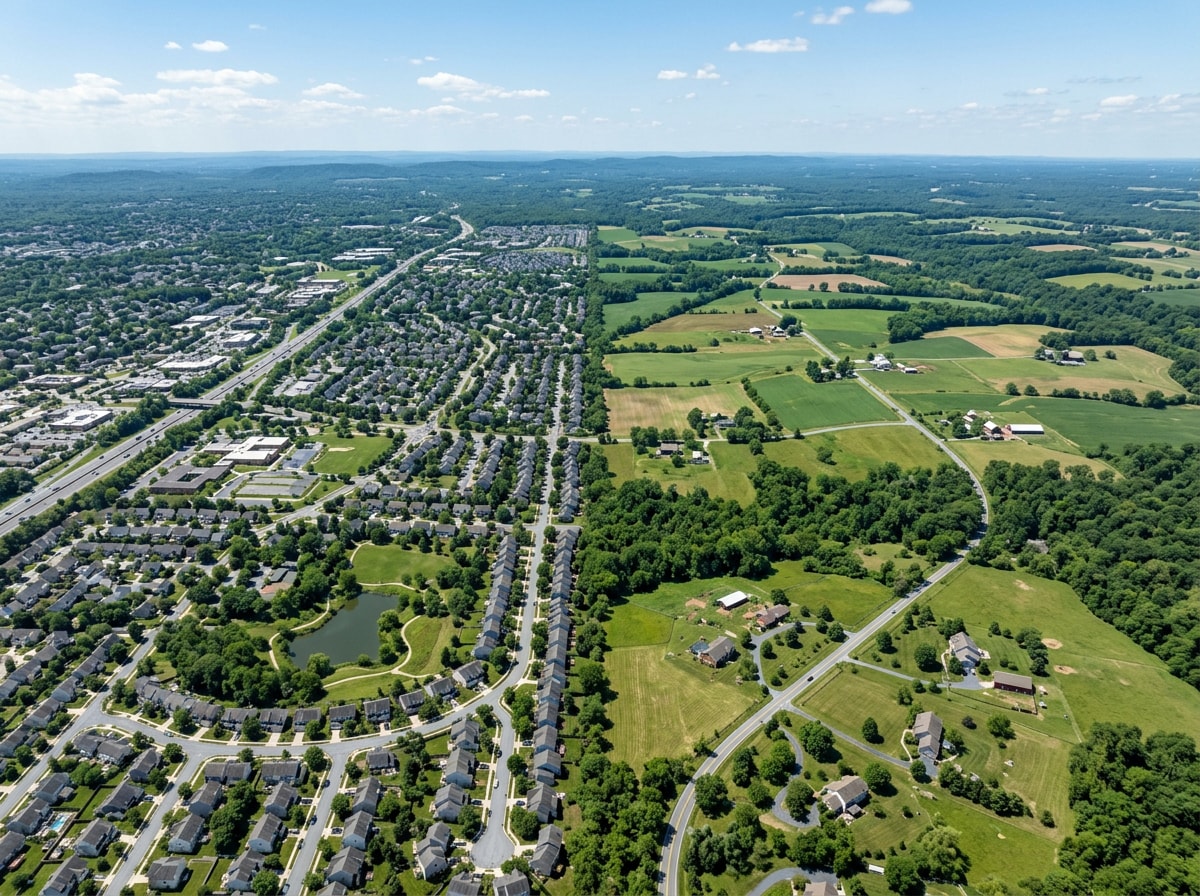
Towson and Perry Hall sit firmly inside the urban/suburban zone, with easier utility access and smaller lots. Reisterstown, Owings Mills, and parts of Cockeysville straddle the line, so lot-by-lot verification matters there. Communities further north and east tend to fall outside the URDL, where larger acreage and build-on-your-lot projects are more common.
Why Work With a Local Builder on This
We've pulled permits on both sides of the URDL, which means we've walked clients through perc tests on rural lots and utility tie-ins on urban ones in the same month. That hands-on experience is the difference between a quote that holds up and one that gets revised mid-project once the lot's actual status surfaces.
Browse examples of completed work on our projects page, or start with the homepage to see our full range of services.
Build Your Dream Home in Baltimore County
Working with a licensed, local builder who understands the URDL, current permitting rules, and realistic 2026 pricing removes most of the guesswork. Whether you're buying raw land or already own a lot, build-on-your-lot options let you control design while leaning on local expertise for the parts that trip up first-time builders.
Ready to talk specifics? Get a free estimate to walk through your lot, budget, and timeline.
FAQ
How much does it cost to build a custom home in Baltimore County, MD?
Regional 2026 pricing generally runs $185 to $230 per square foot for standard builds, $230 to $290 for mid-range, and $320 or more for luxury custom homes. Your actual cost depends heavily on whether your lot sits inside or outside the URDL.
Do I need a permit to build a house in Baltimore County?
Yes. New construction, additions, and most structural renovations all require a permit, and applications are completed online through the county's Department of Permits, Approvals and Inspections. Only a licensed contractor or, in limited cases, the homeowner can apply.
How long does it take to build a custom home in Baltimore County?
Most custom builds take roughly 10 to 16 months from final design approval to move-in, though permitting delays or custom material orders can extend that. Design and planning before construction often add another two to four months.
What is the Urban-Rural Demarcation Line (URDL)?
The URDL is the 1967 planning boundary that splits Baltimore County into an urban/suburban zone with public utilities and a rural zone that relies on well and septic systems. A 2026 ballot measure could make it harder to change the line by requiring a council supermajority to approve breaches.
What's the difference between a builder and a general contractor?
A builder typically manages ground-up new construction from land through move-in. A general contractor more often handles renovations, additions, and trade coordination on an existing structure, though many companies, including ours, do both.
Is now a good time to build in Baltimore County?
National residential construction spending has eased from its 2022–2023 peak, which has made material pricing somewhat more predictable. Locally, confirming your lot's URDL status early still matters more to your budget than national trends do.