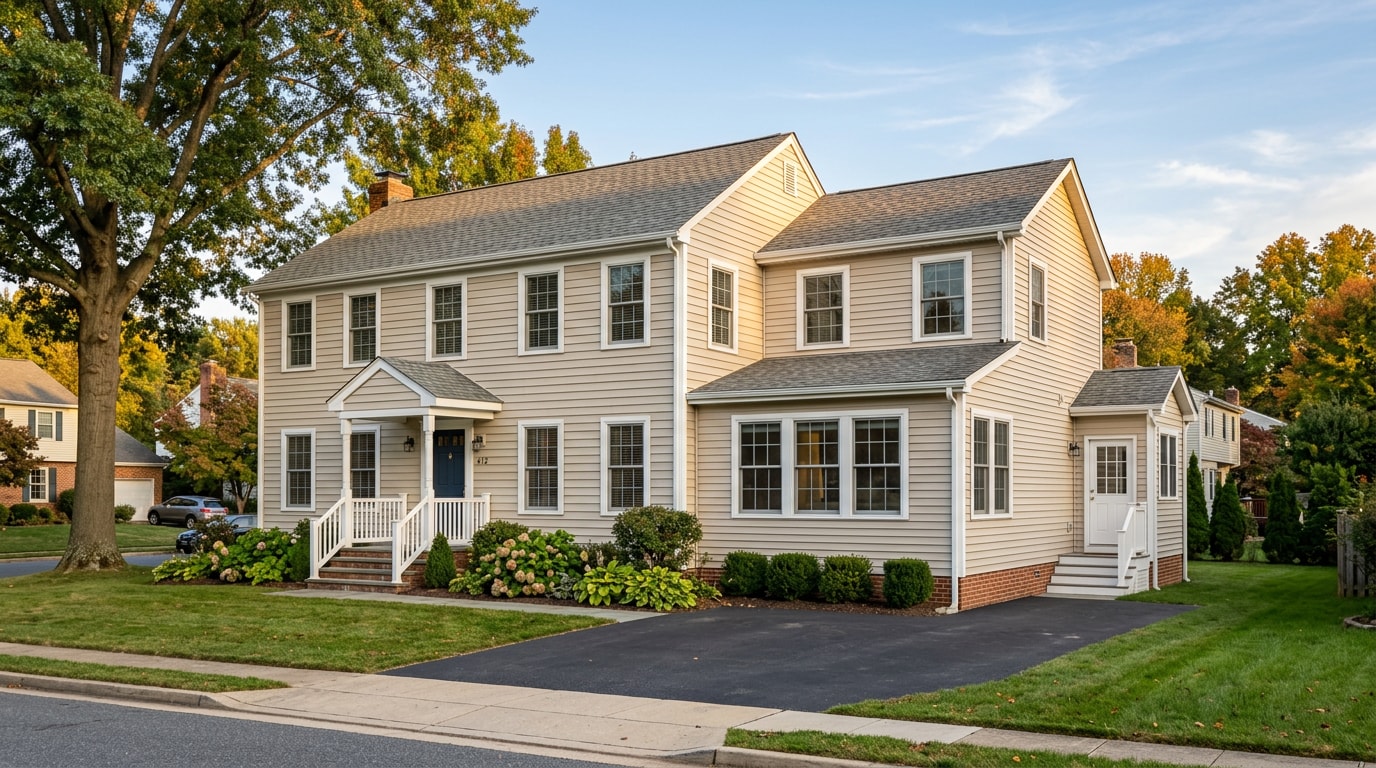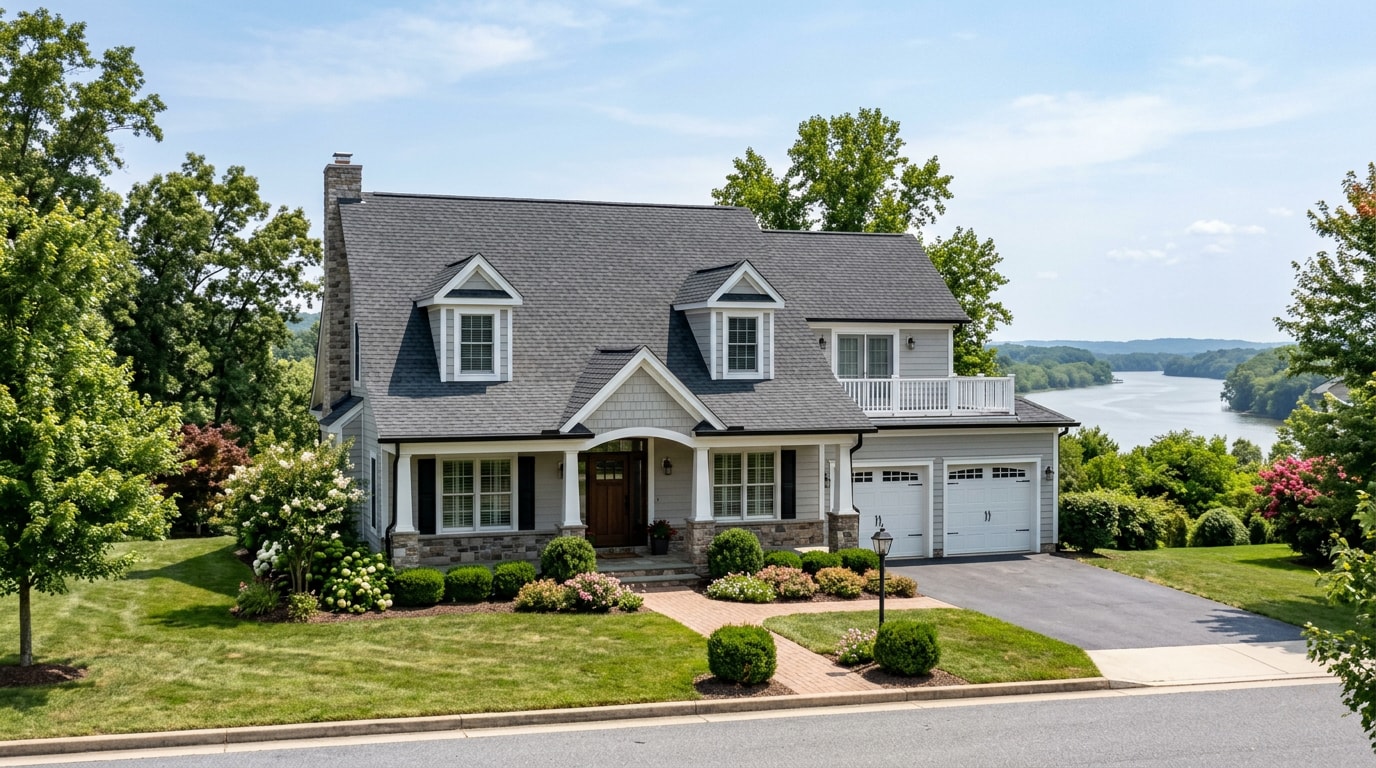
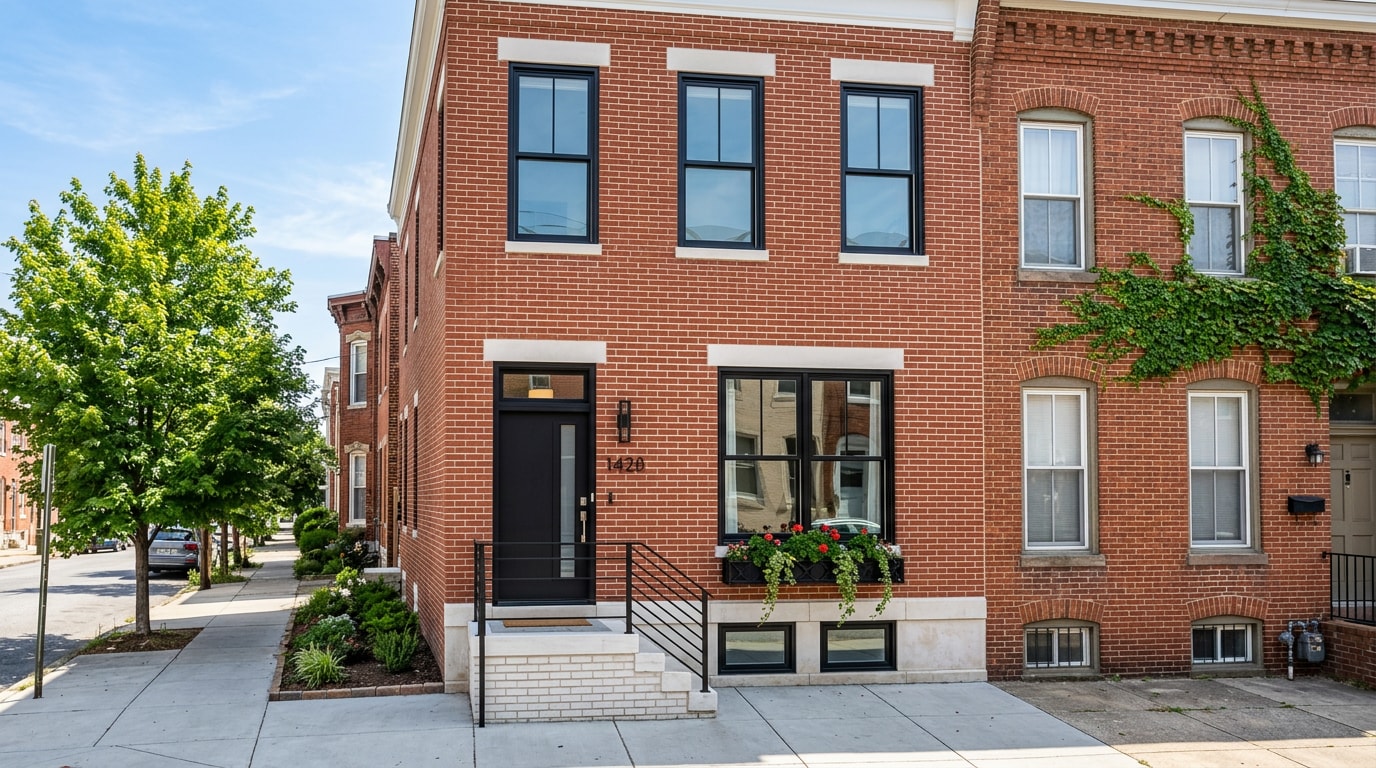
Searching for residential developers in Baltimore City, MD usually means one of two things: you want raw land or a vacant lot turned into a finished home, or you want a licensed, local team to rebuild, expand, or fully renovate the property you already own. Baltimore City's permitting rules, rowhome construction quirks, and licensing requirements catch more homeowners off guard than people expect. This guide breaks down what the term actually covers, what the work costs, and how to vet the company you hire before you sign anything.
Visit LP Homes Inc to see our services and request a free estimate.
What "Residential Developer" Actually Means in Baltimore City
The term gets used loosely, and that causes confusion when you're comparing quotes.
A true land developer buys raw ground, installs streets and utility connections, and sells finished lots to builders. That work is rare inside Baltimore City limits, where most residential lots already exist and most projects involve rowhomes, infill parcels, or vacant structures rather than open land.
For the vast majority of homeowners searching this term, what you actually need is a licensed general contractor or custom home builder who can manage a residential project end to end: design input, permitting, demolition, construction, and final inspection. That's the role LP Homes Inc fills for clients across the city, and it's worth confirming which role you need before you start calling companies.
Licensing and Permit Rules Every Baltimore City Builder Must Follow
Maryland doesn't issue a single statewide "general contractor" license. Instead, licensing splits by project type, and Baltimore City adds its own layer on top.
- Home improvement work on an existing 1-3 unit residential property requires registration with the Maryland Home Improvement Commission (MHIC).
- New home construction and most commercial work require a separate construction license issued by the Clerk of the Circuit Court for Baltimore City.
- Permits are the contractor's responsibility, not an afterthought. MHIC rules state that <a>it is the obligation of the prime contractor on a home improvement project to obtain all required building permits or confirm that permits have already been pulled</a>.
In our 30+ years serving Harford County, Baltimore County, Baltimore City, and Southern Cecil County, we've seen permit timelines swing by weeks depending on the neighborhood, the age of the structure, and whether the property sits in a historic overlay district. A contractor who's worked city permitting offices before will tell you that upfront instead of discovering it mid-project.
Before signing a contract, ask for the company's MHIC license number and verify it directly through the Maryland Department of Labor rather than trusting a number printed on a business card or flyer.
What Residential Development Projects Cost in Baltimore City
Pricing varies widely based on lot condition, structural scope, and finish level. The ranges below are general planning estimates, not quotes; a site visit is the only way to get an accurate number for your project.
| Project Type | Typical Cost Range | Typical Timeline |
|---|---|---|
| Custom home build (new construction) | $350,000 - $750,000+ | 10-14 months |
| Full home addition | $60,000 - $180,000 | 2-4 months |
| Whole-home / rowhome renovation | $80,000 - $250,000 | 3-6 months |
| Basement finishing | $30,000 - $70,000 | 4-8 weeks |
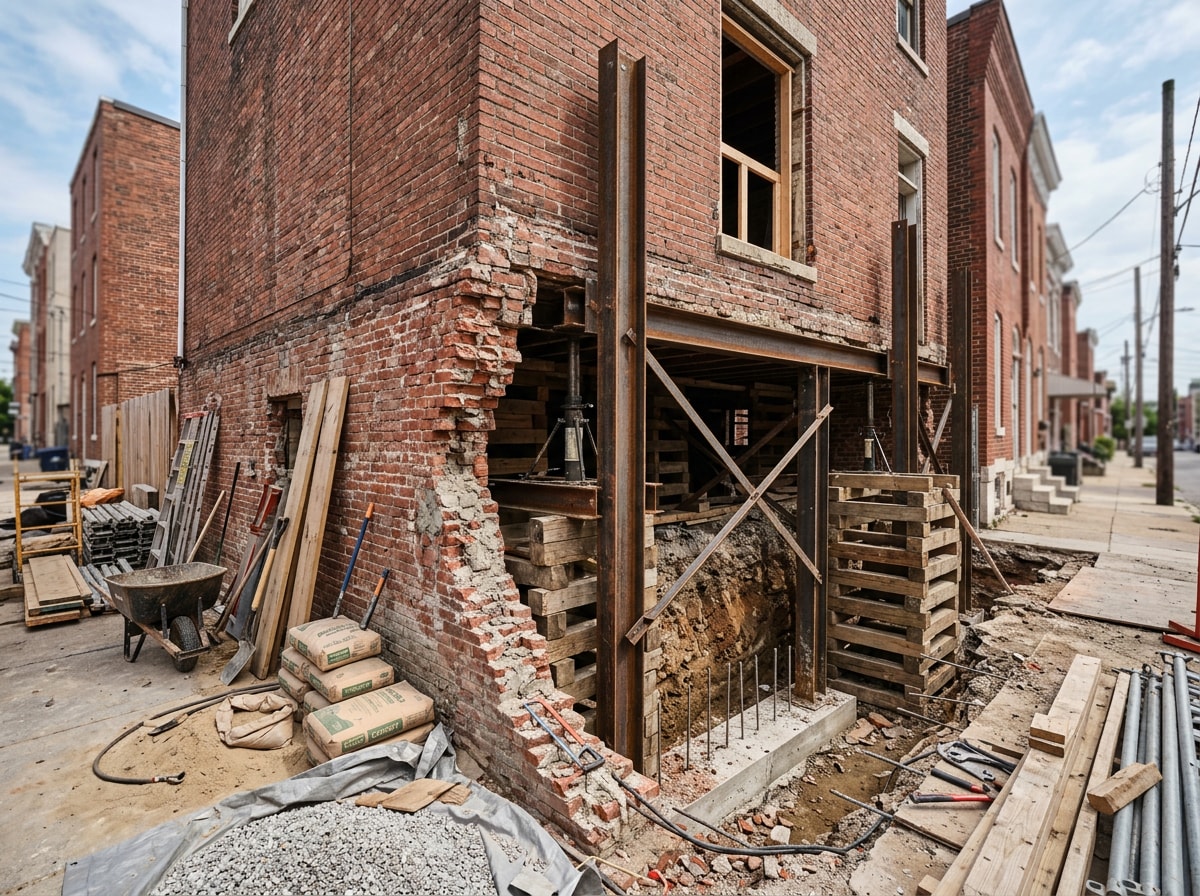
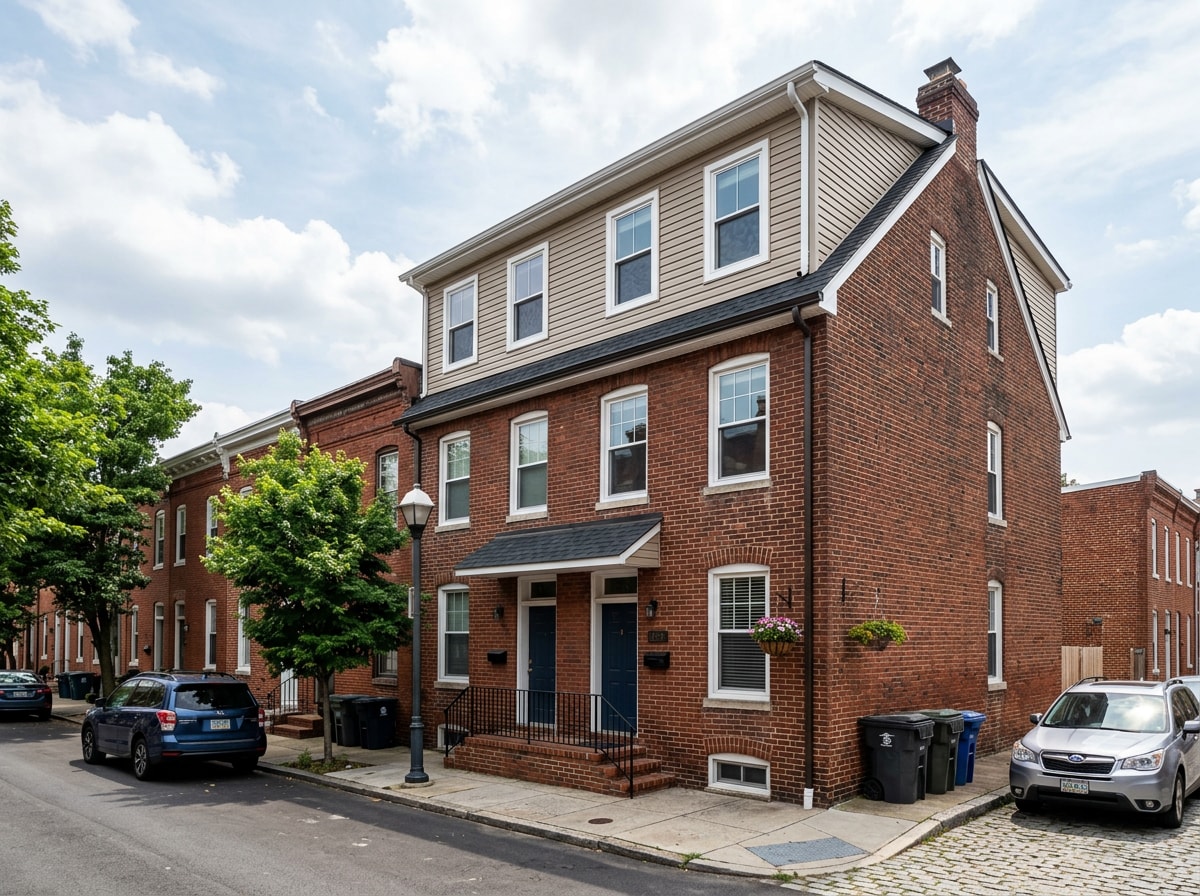
Rowhome projects in Baltimore City often carry extra line items that suburban projects don't: party-wall coordination with neighboring units, underpinning for foundation work, and lead-paint abatement on pre-1978 structures. Factor those in early rather than after a bid comes back higher than expected.
Baltimore City Quirks: Rowhomes, Zoning, and City-Owned Lots
Baltimore City has unique paths to residential development that most other Maryland jurisdictions don't offer.
The city's Department of Housing and Community Development runs registries that help match qualified builders with redevelopment opportunities; <a>DHCD is establishing two registries of pre-qualified developers in designated areas, one for rehabilitation projects and another for new construction</a>. Through the BuyIntoBmore program, <a>individuals looking to buy a home can use city programs to purchase and redevelop city-owned property</a>, not just large development firms.
If your project involves demolishing an existing structure before rebuilding, review the permitting and safety requirements first. Our guide on commercial demolition contractors in Baltimore City, MD covers how site clearing works inside city limits, which applies even on residential teardown projects of a similar scale.
How to Vet a Residential Developer or Builder Before You Sign
Run every company you're considering through the same checklist, including the ones on this list.
- Confirm active licensing. Search the business name through Maryland's MHIC lookup, not just a license number on paper.
- Check years in business specific to Baltimore City. A Maryland mailing address doesn't mean the company has actually built or renovated inside city limits.
- Ask for a detailed written contract. Scope of work, payment schedule, change-order process, and completion dates should all be in writing.
- Never pay more than a third upfront. Large deposits tied to nothing but a signature are a warning sign.
- Request references and in-progress job sites. A legitimate contractor will let you see current work, not just finished photos.
- Confirm insurance. General liability and workers' comp protect you if something goes wrong on your property.
The National Association of Home Builders publishes a free checklist for finding and hiring a builder or remodeler that covers many of the same points and is worth reading alongside this guide.
Why Baltimore City Homeowners Work With LP Homes Inc
LP Homes Inc is a veteran-owned, MHIC-licensed general contractor that has served Harford County, Baltimore County, Baltimore City, and Southern Cecil County for over 30 years. We're owner-operated, which means the person who quotes your project is accountable for it from permit application to final walkthrough.
Inside Baltimore City, our work covers:
- Custom home construction on infill lots and teardown-rebuild projects
- Home additions for rowhomes and detached properties
- Full home remodeling for older housing stock needing a complete update
- Basement finishing to add usable square footage without expanding the footprint
You can browse our full general contractor services or see completed work on our projects page. We also cover the specific permitting and zoning realities of our Baltimore City service area rather than treating it like any other Maryland jurisdiction.
The Build Process From First Call to Final Walkthrough
Most residential projects in Baltimore City follow a similar sequence, regardless of which contractor you choose.
- Initial consultation and site visit to scope the project and flag any structural or zoning issues.
- Design and estimate covering materials, timeline, and a written contract.
- Permit submission through Baltimore City's Department of Housing and Community Development or the relevant permitting office.
- Demolition or site prep, if the project requires removing existing structures.
- Construction phases, with inspections scheduled at required milestones.
- Final inspection and walkthrough before the project is signed off as complete.
Ready to start the conversation? Get a free estimate and we'll walk your property with you before any contract is signed.
FAQ
What's the difference between a residential developer and a general contractor?
A developer typically acquires land, arranges financing, and manages a project at a high level, sometimes without ever swinging a hammer. A general contractor manages the physical construction: hiring trades, scheduling inspections, and building the structure. Most Baltimore City homeowners searching for a "residential developer" actually need a licensed general contractor to manage their build or renovation.
Do residential developers and builders need to be licensed in Baltimore City?
Yes. Contractors doing home improvement work on existing residential properties need MHIC registration through the Maryland Department of Labor. New home construction requires a separate construction license from the Clerk of the Circuit Court for Baltimore City. Operating without the correct license is not just a formality issue; it can affect your legal protection if something goes wrong.
How do I verify a contractor's MHIC license before signing a contract?
Search the company's business name or license number directly through the Maryland Department of Labor's licensing query tool rather than relying on a number printed on marketing materials. Confirm the license shows "Active" status with a current expiration date before you sign anything or pay a deposit.
How much does a custom home or major renovation cost in Baltimore City?
Costs vary significantly based on lot condition, structural scope, and finishes, but most custom builds run from the mid-$300,000s up, while additions and full renovations typically fall between $60,000 and $250,000. Rowhome projects often carry added costs for party-wall work, underpinning, or lead-paint abatement that suburban projects don't face. A site visit is the only reliable way to price your specific project.
Can I buy city-owned land in Baltimore City to build a new home?
Yes. Baltimore City's Department of Housing and Community Development runs programs, including BuyIntoBmore, that let individuals and small developers purchase and redevelop city-owned lots and vacant properties, not just large development firms.
How long do permits take in Baltimore City?
Timelines vary by neighborhood, project scope, and whether the property sits in a historic district, and can range from a few weeks to a few months. Contractors with hands-on experience in Baltimore City's permitting offices can usually give you a realistic estimate specific to your address rather than a generic timeline.