If you're comparing adu construction companies Baltimore City, MD homeowners actually hire, the first question isn't price, it's whether your ADU is even legal yet. Baltimore City's zoning code still has no accessory dwelling unit use on the books, and the council bill meant to fix that just got pushed to another hearing. Here's what that means for your basement, garage, or backyard project, and how to pick a builder who won't leave you stuck mid-permit.
Is Baltimore City Legal for ADUs Right Now?
Short answer: not yet, but it's close.
In 2025, Maryland's General Assembly required the legislative body of certain counties or municipal corporations to adopt a local law authorizing the development of accessory dwelling units on land with a single-family detached dwelling, on or before October 1, 2026 . That deadline already passed, and the October deadline has passed, and Baltimore City Council still needs to act .
Right now, Baltimore City's zoning code, Article 32, contains no accessory dwelling unit use, so there is no city ADU permit to apply for today . The city's compliance bill, Council Bill 26-0195, is still moving through committee. As of early November 2026, the Land Use and Transportation Committee recessed an extended public hearing on the state-mandated ADU ordinance to November 19 to consider new amendments addressing owner-occupancy and rental licensing .
Baltimore County is in a different spot. Baltimore County has an older system, called accessory apartments , so most of the ADU construction actually happening in the metro right now is happening there, not in the city, under those existing rules.
What this means practically: if you own property in Baltimore City, you can get a design and a cost estimate lined up today, but you can't legally pull an ADU permit under city zoning until Bill 26-0195 (or something like it) passes. Any contractor who tells you otherwise without pointing to a specific approval path, like an existing carriage house conversion, is skipping a step you'll pay for later.
For the deeper zoning walkthrough, including how the pending bill's size and footprint limits would apply lot by lot, see our ADU remodel guide for Baltimore City.
What Counts as an ADU in Baltimore City
An accessory dwelling unit is a self-contained living space on the same lot as your primary home, with its own entrance, kitchen, and bathroom. In Baltimore, that mostly comes down to four configurations:
- Basement conversion – an English basement with a separate exterior entrance, kitchenette, and full bath
- Garage conversion – an attached or detached garage rebuilt into finished living space
- Attached addition – new square footage built onto the existing structure, often over or behind a rowhouse
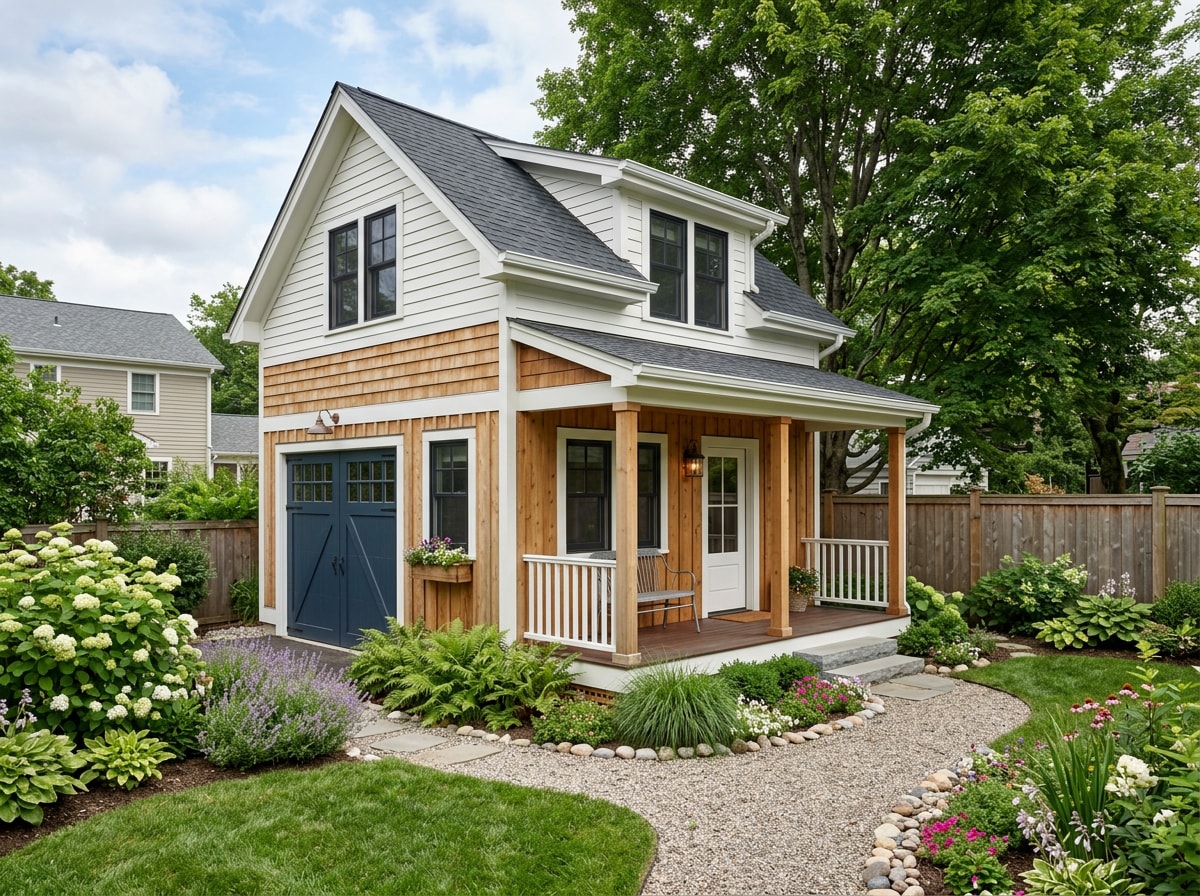
- Detached unit or carriage house – a standalone structure in the backyard or off the alley
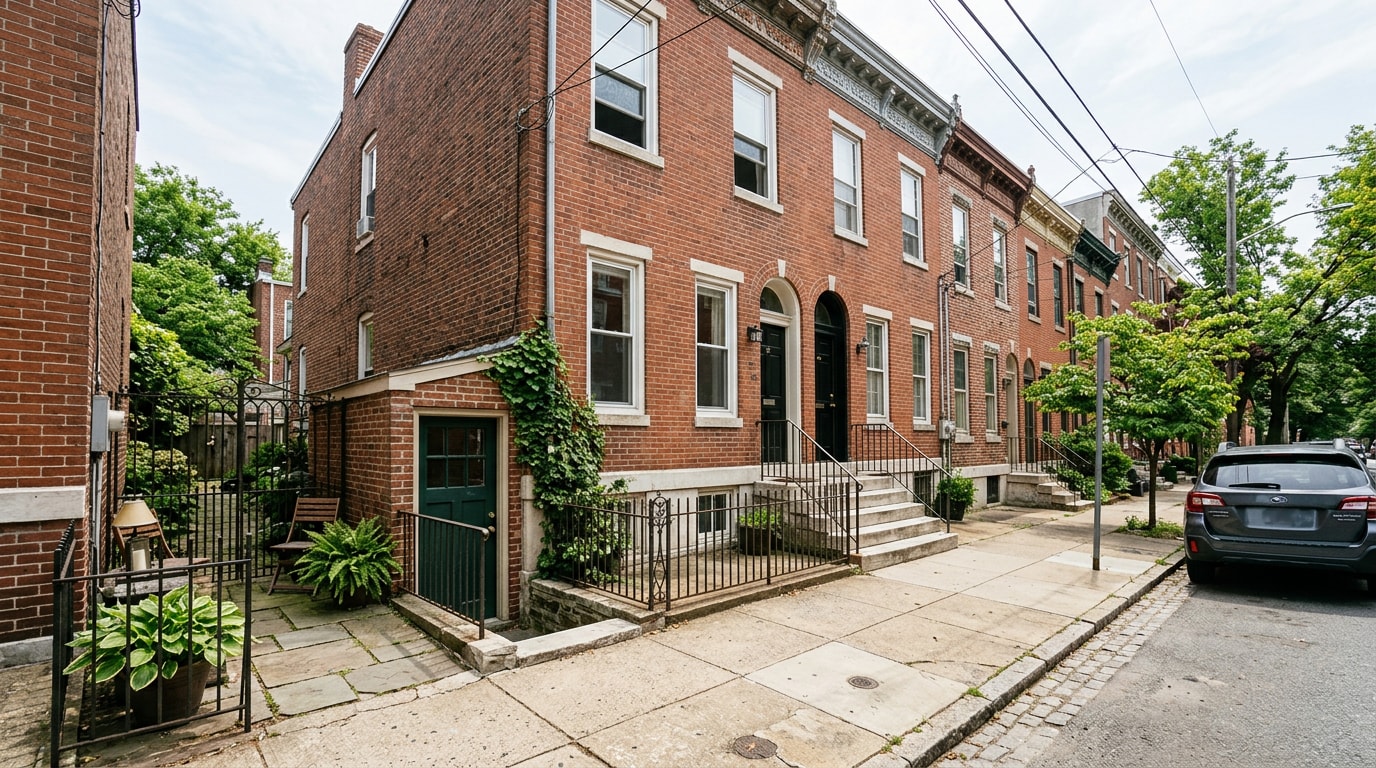
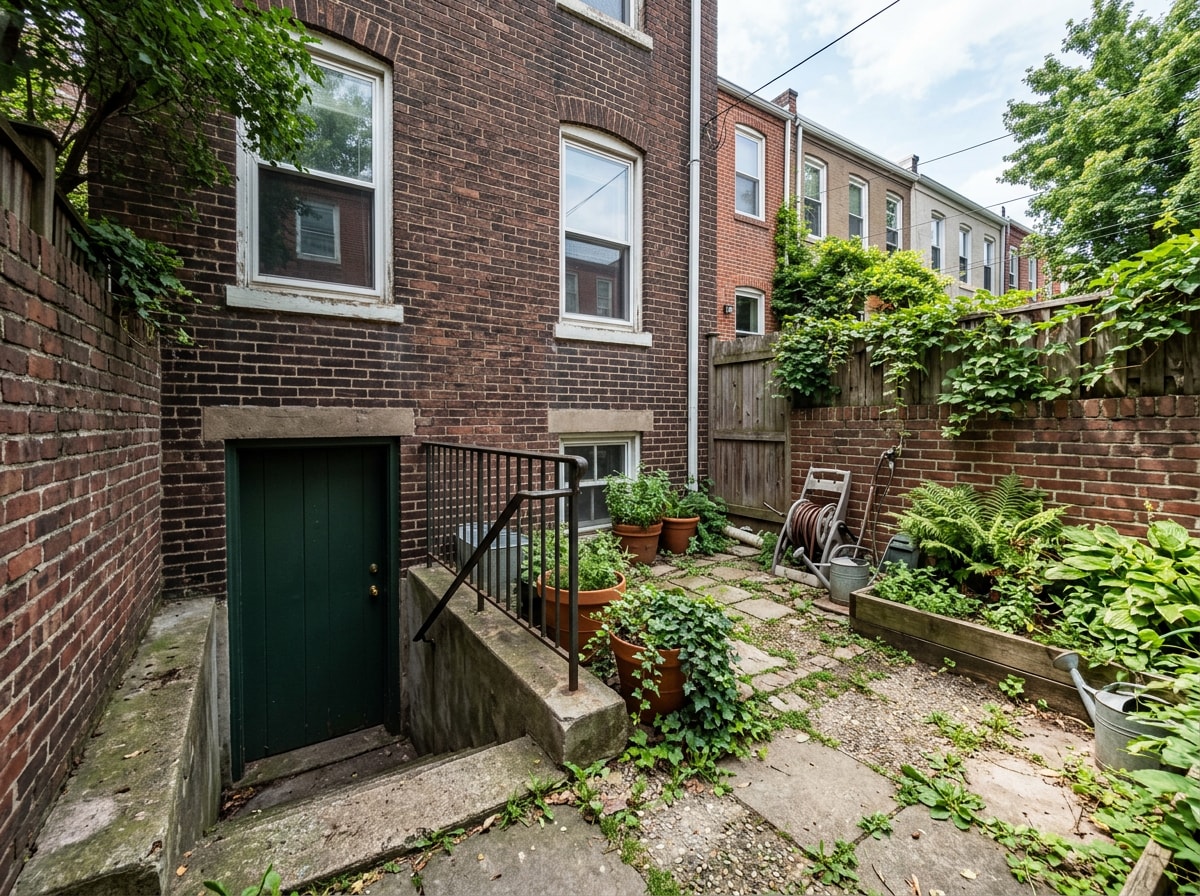
Because half the city's homes are rowhouses, where a basement or top-floor unit is usually the only option , basement and garage conversions are the realistic path for most Baltimore City lots. Detached backyard units are more common on the larger, detached-home lots you'll find in parts of Baltimore County. On rowhouse lots, we've found that basement conversions create fewer zoning headaches than any other ADU type, mainly because they rarely change the building's footprint or height.
How to Vet ADU Construction Companies in Baltimore City
Not every general contractor who builds additions understands ADU-specific permitting, egress requirements, and separate-utility rules. Before you sign anything, check for:
- A current Maryland Home Improvement Commission (MHIC) license, verified, not just claimed
- Direct experience with basement or garage conversions on rowhouse lots, not just suburban detached builds
- One point of contact for design, permitting, and construction, instead of you coordinating an architect, a permit expediter, and a crew separately
- A written, itemized scope and allowance schedule, not a flat "ADU package" price with vague inclusions
- Current knowledge of Council Bill 26-0195's status, since the owner-occupancy and rental-licensing terms are still being negotiated
- A viewable local portfolio and references you can actually call
- Clear warranty terms in the contract, not a verbal promise
A contractor who can walk you through the zoning gap instead of glossing over it is usually the one worth hiring. See our project portfolio for examples of similar renovation work in the area.
The ADU Construction Process, Start to Finish
A full-service build generally runs through four stages:
- Consultation and site assessment – confirming lot size, existing structure condition, utility access, and which approval path applies to your property
- Design – floor plan, egress, and finish selections, built around the final footprint and height limits once Bill 26-0195 settles
- Permitting – submitting for zoning and building permits, which may take longer than usual while the city works through its ADU backlog
- Construction through final inspection – framing, systems, finishes, and the inspections needed before the unit can be legally occupied
A design-build setup keeps all four stages under one point of contact instead of three separate vendors passing the project back and forth.
What Does an ADU Cost in Baltimore City?
Costs vary widely by scope, finish level, and site conditions. Treat the ranges below as planning numbers, not quotes, and get a written, itemized estimate before you budget around them.
| ADU Type | Typical Scope | Planning-Range Cost |
|---|---|---|
| Basement conversion | Separate entrance, kitchenette, full bath, egress window | $70,000 – $150,000 |
| Garage conversion | Attached or detached garage rebuilt into living space | $60,000 – $130,000 |
| Attached addition | New square footage added to the existing structure | $120,000 – $220,000 |
| Detached / carriage house | Standalone new backyard structure | $180,000 – $300,000+ |
Under the state's framework, an ADU is a secondary dwelling unit on the same lot as a primary single-family dwelling, not larger than 75% of the primary unit's size , which caps how big (and how expensive) a detached unit can get relative to your main house.
Financing and Rental Income
A finished ADU can offset its own cost through rent, but check your financing options before you assume that income counts toward a mortgage. The U.S. Department of Housing and Urban Development, through the Federal Housing Administration, announced a policy allowing lenders to count income from accessory dwelling units when underwriting a mortgage , which changed how ADU rental income gets treated in loan applications. A newer 2026 federal rule update also addresses how an ADU must be a private space that is subordinate in size, with means of separate ingress and egress meeting minimum living-unit requirements for loan eligibility purposes. Confirm current terms with your lender, since underwriting rules change independently of local zoning.
Rental registration and licensing in Baltimore City will likely tie directly to however Council Bill 26-0195 finally resolves its owner-occupancy language, so don't advertise a unit for rent until both the zoning and licensing pieces are settled.
Long-Term ADU Maintenance
An ADU is a long-term asset, not a one-time project. Plan for periodic upgrades, roofing, siding, and system replacements as the unit ages, the same way you would for the primary house. If a future remodel changes the unit's footprint or systems, that will likely require a new permit review under whatever version of the city's ADU ordinance is in effect at the time.
For related upgrade work, explore home additions and basement finishing services, or visit our Baltimore City service area page to confirm coverage for your neighborhood.
Ready to plan ahead of the zoning change? Get a free estimate and we'll map out which ADU path fits your lot today, so you're ready to move the moment Baltimore City's ordinance passes. You can also browse our full range of renovation and construction services on the LP Homes homepage.
FAQ
Are ADUs legal in Baltimore City right now?
Not yet under a dedicated ordinance. Baltimore City's zoning code, Article 32, contains no accessory dwelling unit use, so there is no city ADU permit to apply for today. Council Bill 26-0195 is still in committee as of November 2026.
Will my county actually let me build an ADU?
It depends on zoning district and lot type. Baltimore County has an older system, called accessory apartments , which covers some lots today. Baltimore City has no equivalent system until its ordinance passes.
How big can an ADU be?
Under state law, an ADU cannot be larger than 75% of the primary unit's size . Local ordinances, once adopted, may add their own footprint, height, and setback limits on top of that cap.
What does an ADU cost in Baltimore?
Planning ranges run roughly $60,000 for a garage conversion up to $300,000+ for a detached carriage house, depending on size, finishes, and site conditions. Get a written, itemized estimate for your specific project before budgeting.
Can I rent out my ADU once it's built?
Only once your jurisdiction's permitting and rental licensing requirements are met. In Baltimore City, licensing terms are still being negotiated as part of Council Bill 26-0195's owner-occupancy provisions.
Does an ADU affect my mortgage or financing options?
It can. HUD and the FHA allow lenders to count income from accessory dwelling units when underwriting a mortgage , which can affect how much you qualify to borrow. Confirm current terms with your lender before finalizing a budget.
How long does the ADU permitting and construction process take?
Timelines vary with scope and with how quickly Baltimore City's ADU ordinance moves through committee. Conversions generally move faster than new detached construction, since detached builds involve separate utility connections and a longer permit review.