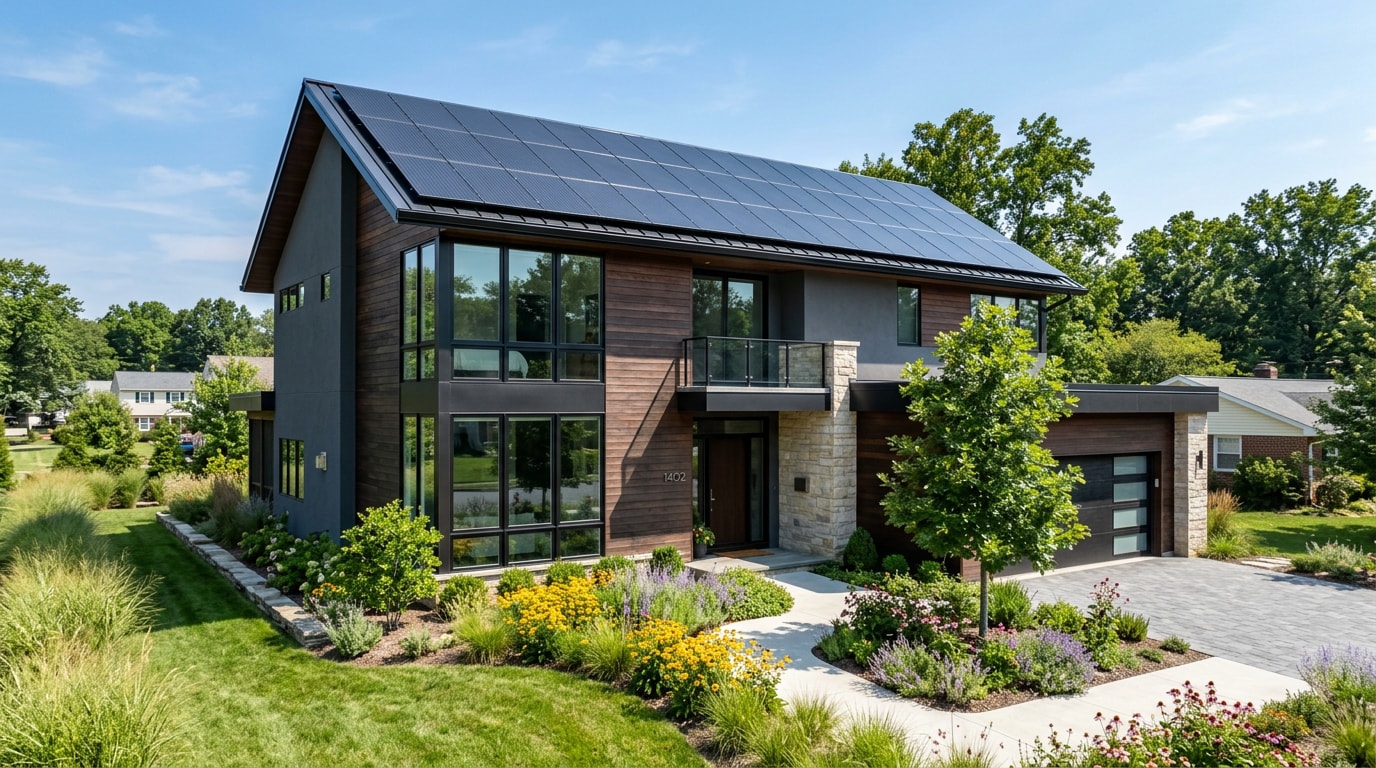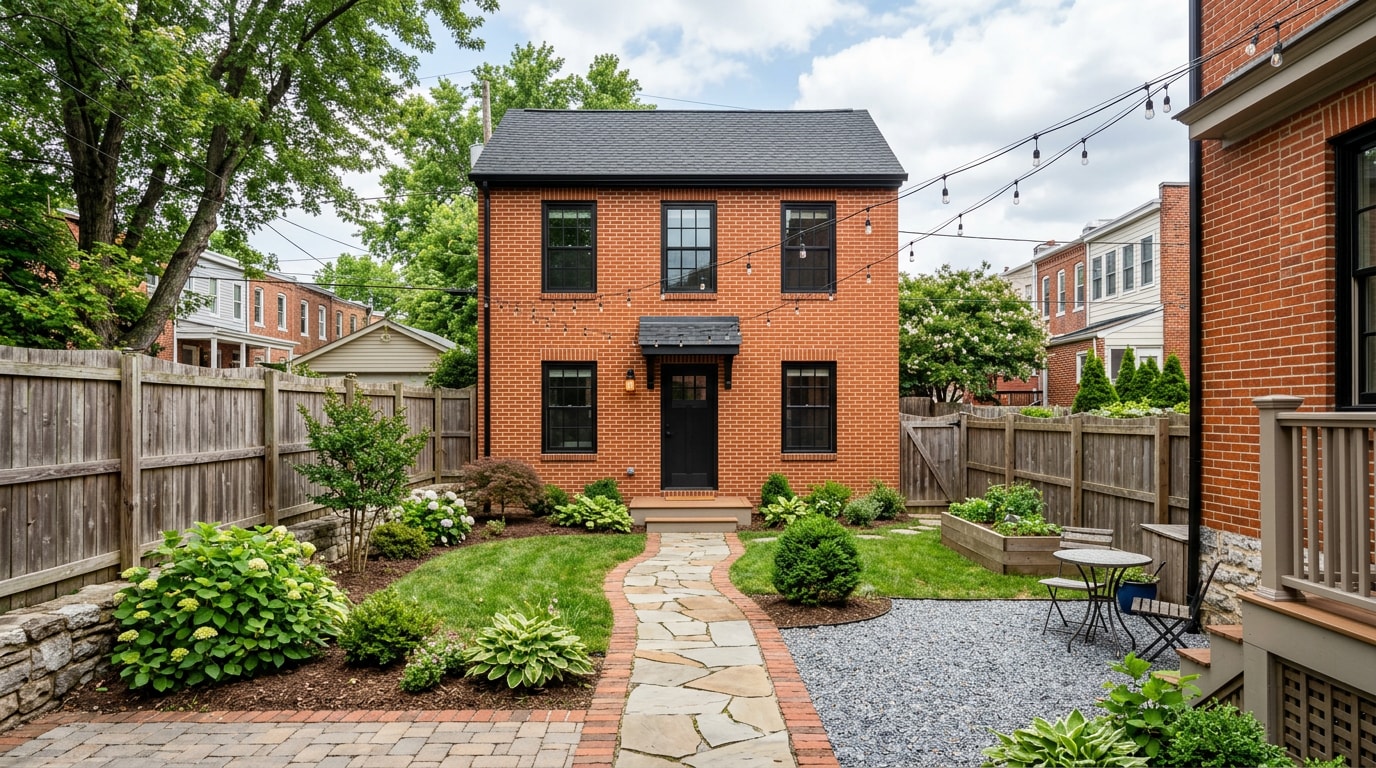
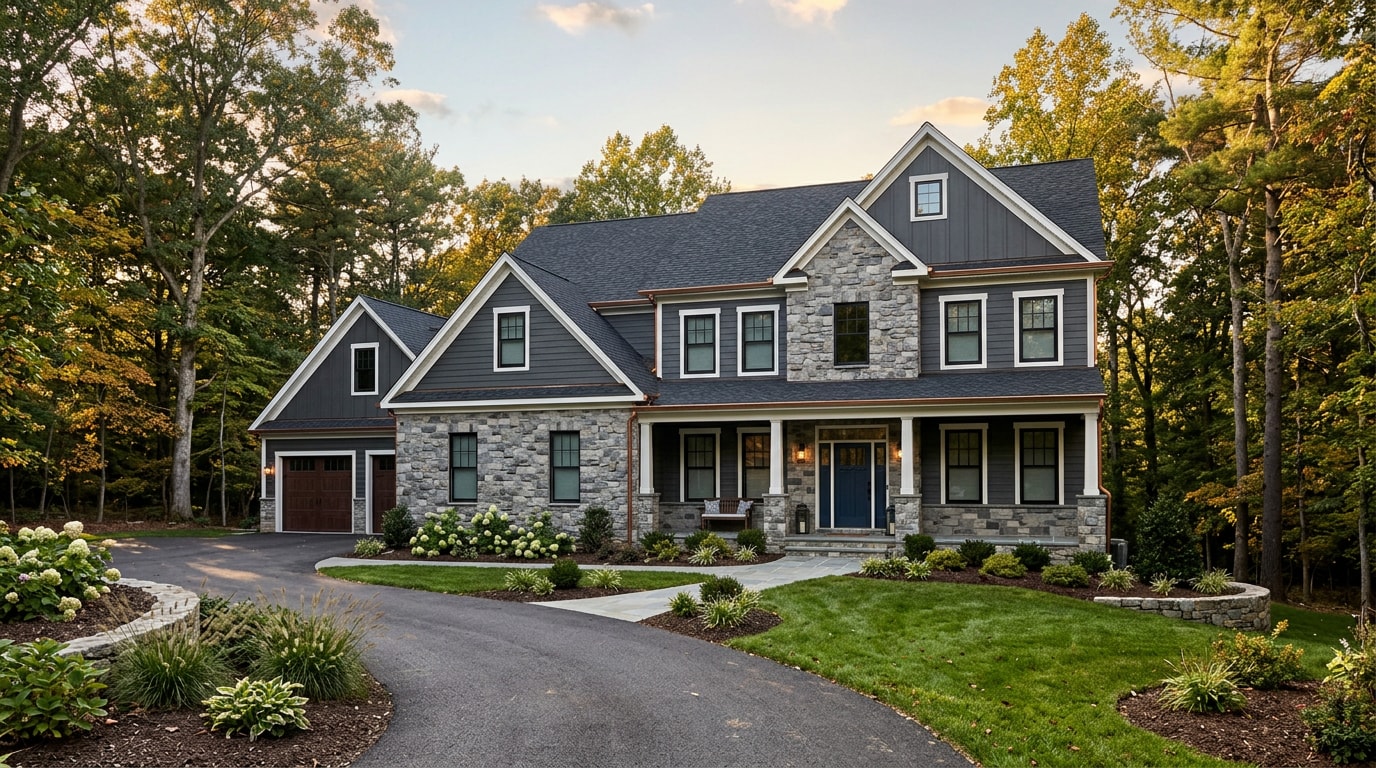
Baltimore County stretches from dense suburbs minutes outside the city to quiet, multi-acre parcels near the Pennsylvania line, and that range is exactly why so many buyers hire a custom home builder Baltimore County, MD residents already trust rather than settle for a production floor plan. The right builder, like LP Homes, can get you both the lot you want and the layout you actually need. This guide covers the local zoning line that shapes almost every build decision, realistic costs, permitting, and what to expect at each stage, so you can start planning with facts instead of guesswork.
Ready to talk through your lot? Get a free estimate before you finalize a design.
Why Build a Custom Home in Baltimore County?
The county's mix of established neighborhoods and open land gives buyers options a single-type market can't match. You can build close to shopping, schools, and the city, or go further out for privacy and acreage. The same builder can typically handle either path, but the rules governing each path are genuinely different, which is why the next section matters more than most buyers expect.
The Urban Rural Demarcation Line (URDL): The Factor That Shapes Everything
The Urban Rural Demarcation Line is a planning boundary most out-of-area builders never mention, but it's the single factor that most shapes what you can build and where in this county. Baltimore County's Urban Rural Demarcation Line has divided the County into "urban/suburban" and "rural" areas since its establishment by the Planning Board in 1967.
The URDL determines where water and sewer utilities are provided.
The split isn't evenly distributed across the county either. About 90% of the county's population lives within the URDL while the remaining 10% reside in the rural areas. That imbalance is exactly why lots outside the line tend to be larger, harder to perc, and slower to permit, while lots inside it are smaller, serviced, and faster to approve.
| Factor | Inside the URDL | Outside the URDL |
|---|---|---|
| Utilities | Public water and sewer | Well and septic (perc test required) |
| Typical lot size | Smaller, higher density | Larger, often multi-acre minimums |
| Land cost | Generally higher per lot | Often lower per acre, more site work |
| Permitting speed | Usually faster, standard review | Can take longer due to septic and well approval |
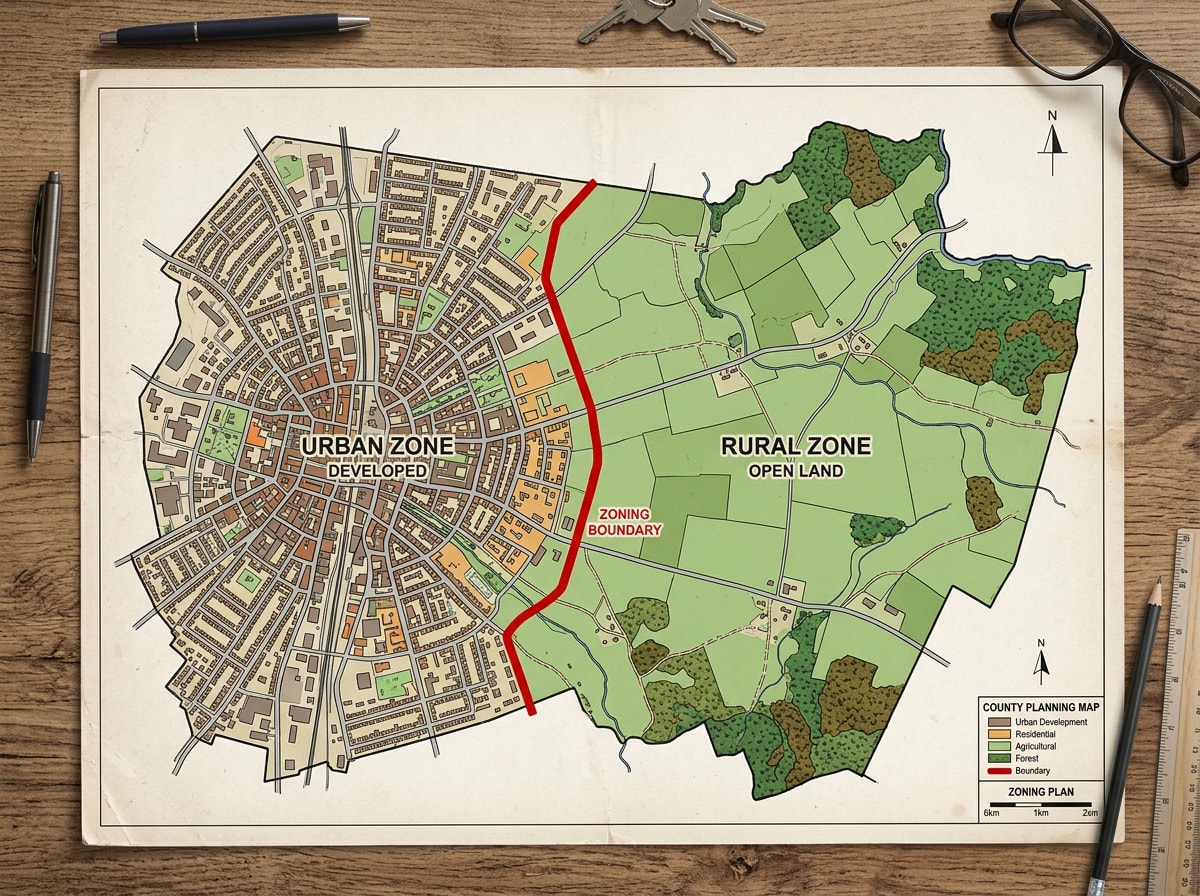
For the current official boundary, check the Baltimore County Department of Planning's maps library before you make an offer on land.
Choosing Your Lot in Baltimore County
Not all land here is equal. Some lots are ready to build: already perked, cleared, with utility access confirmed. Others are raw or teardown parcels that need a perc test, a forest conservation review, or a new driveway before a permit is even possible.
Location matters as much as the dirt itself. A buildable lot near schools and shopping is a different lifestyle than a wooded, multi-acre parcel bought for privacy. Matching the lot to your commute, budget, and daily routine upfront saves headaches later. Browse our recent builds across the region for a sense of what's possible on different lot types before you lock in a design.
The Custom Home Building Process: From Idea to Move-In
Nearly every custom home follows the same broad arc, regardless of lot or budget. We've walked enough Baltimore County clients through this that the pattern is predictable, even when the lot isn't.
Initial Consultation & Design
A design consultation maps your goals, budget, and lifestyle against what's realistic for the lot and the county's zoning rules. From there, design moves into specifics: layout, square footage, room flow, materials, and finishes.
Expect several rounds of revision here. It's far cheaper to change a wall on paper than mid-framing. A design-build setup usually keeps one team responsible for both stages, so decisions stay grounded in actual construction realities instead of guesswork. Our Custom Home Construction in Baltimore County, MD guide breaks down each design milestone in more detail.
Construction
Once permits clear, the build phase starts with site work, foundation, and framing, then moves through mechanicals, insulation, drywall, and finish work. Each trade has to be sequenced correctly, and coordinating that schedule is a core part of a builder's job.
Craftsmanship shows up most in the details: trim lines, tile work, cabinet fit. In our experience, the builds that go smoothest are the ones where the client does a site walk every couple of weeks, not just at major milestones.
The Baltimore County Permit Process
Building a custom home here requires more than one permit. A building permit is required for construction of any new residential dwelling.
A separate permit is required for electrical and plumbing work. Depending on the lot, you may also need:
- Grading or site disturbance approval
- A well and/or septic permit (outside the URDL)
- Forest conservation review
- A residential access or driveway permit
Permitting moves faster for straightforward lots inside the URDL. Parcels needing septic or environmental review often add weeks to the timeline. A builder experienced with county workflows should file and track these applications for you, since missed inspections are a common cause of delay. Review current submission requirements on the Baltimore County new residential dwelling permit page before setting a start date.
Financing a Custom Home
Custom home financing usually starts with a construction loan rather than a standard mortgage. These loans release funds in draws tied to completed stages:
- Foundation
- Framing
- Drywall
- Finish work
Many buyers use a construction-to-permanent loan, which converts automatically into a standard mortgage once the home is finished, avoiding a second closing. Terms and down payment requirements vary by lender, so it's worth comparing options early. Schedule a consultation to talk through financing alongside your design and budget.
Energy Efficiency and High-Performance Building
New construction is one of the few chances to build energy efficiency in from the start instead of retrofitting it later. An energy-efficient home typically combines properly sized HVAC equipment, continuous insulation, and careful air sealing so conditioned air doesn't leak out through gaps.
Site-built or modular detached single-family homes, detached duplexes, and townhouses are eligible to participate in the ENERGY STAR Single-Family New Homes program, which is primarily intended for new construction. National benchmarks from the ENERGY STAR Single-Family New Homes program outline performance targets many builders now work toward, even on projects that don't pursue formal certification.
Construction Costs in Baltimore County
Budgeting for a custom home means looking past a single per-square-foot number. Cost depends heavily on lot location, finish level, and whether utilities are already in place.
Suburban vs. Rural Build Costs (Inside vs. Outside the URDL)
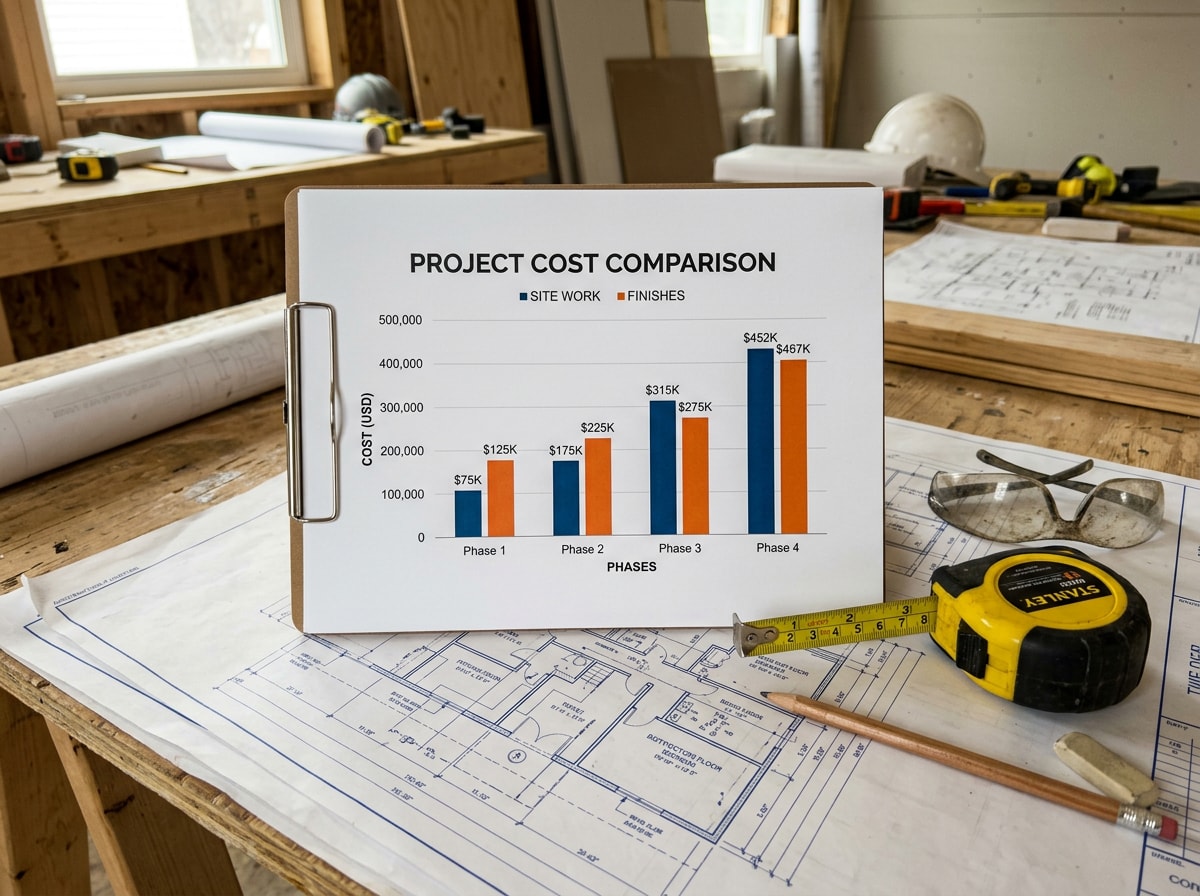
Suburban build costs inside the URDL tend to run lower on site work since public water and sewer are already available, though land prices there are often higher. Rural build costs outside the URDL usually include well drilling, septic systems, and more extensive grading, even when the land itself was cheaper to buy.
Cost per square foot is a useful starting point, but it's an average, not a rule. Kitchens, bathrooms, and garages cost far more per square foot than bedrooms or living rooms, so a home with more of those spaces will skew higher than a simple size comparison suggests.
Timelines for Custom Home Construction
Most custom home timelines run roughly nine to fourteen months from signed contract to move-in, though lot conditions and design complexity shift that range in either direction. Design and permitting typically take the first two to four months, with construction following once permits are approved.
Design changes mid-build, slow permitting review, and difficult site conditions, like rock excavation or extensive grading, are the most common reasons a timeline stretches longer than planned. In our own projects, the single biggest delay driver outside the URDL has been waiting on septic approval, not construction itself.
Choosing the Right Custom Home Builder
Choosing a custom home builder in Baltimore County, MD matters as much as the lot or the floor plan, since the builder controls budget, schedule, and quality every day. One of the clearest decisions when hiring is how design and construction are structured.
The Design-Build Approach
Design-build means one company handles both design and construction, giving you a single point of contact from first sketch to final walkthrough. Hiring an architect and builder separately can work too, but it usually means coordinating two contracts and two schedules yourself when timelines don't align.
The architect-vs-design-build decision affects communication as much as cost. With design-build, budget feedback happens during design, not after the drawings are already finished. Our general contractor services cover everything from initial design through final punch list under one contract.
Completing Your Custom Home: Final Walkthrough & Move-In
Toward the end of a build, attention shifts to punch-list items: touch-up paint, hardware adjustments, final appliance checks. The final walkthrough confirms everything matches the agreed plan before keys change hands.
Project completion also includes warranty paperwork and care instructions for your new systems. Then comes move-in day, the payoff for months of decisions and patience. Start your project today to begin mapping out your own timeline.
FAQ
What Is a Custom Home Builder?
A custom home builder designs and constructs a home built specifically around one buyer's lot, budget, and preferences, rather than building a pre-set floor plan on speculation. Unlike a production or spec builder, every major decision, including layout, finishes, and structural changes, is made with that client before construction even starts.
Do Custom Home Builders in Baltimore County, Maryland Have to Be Licensed?
Yes. The Home Improvement Commission license does not cover new home construction. All builders who build homes in Maryland must be registered with the Home Builder Registration Unit of the Office of the Attorney General.
Before signing any contract for a new home, make sure your builder is registered with the Unit. You can confirm status through the Maryland Home Builder Registration Unit before signing anything.
What Build Options Are Available When Working With a Custom Home Builder?
Buyers typically choose between building on land they already own, buying a ready-to-build lot through the builder, or working with raw land that needs site preparation. On the design side, options range from a fully custom design-build process to hiring an architect separately and bringing a finished plan to the builder.
How Much Does It Cost to Build a Custom Home in Baltimore County?
Costs vary widely because lot work, finish level, and whether the parcel sits inside or outside the URDL all move the number independently. A realistic budget conversation has to start with your specific lot, not a generic per-square-foot average pulled from a national source.
How Long Does It Take to Build a Custom Home in Maryland?
Most projects take nine to fourteen months from signed contract to move-in. Permitting delays, custom design changes, and site-specific issues like grading or septic approval are the factors most likely to extend that window.
Is It Cheaper to Buy an Existing Home or Build Custom in Baltimore County?
An existing home is usually cheaper upfront, but it comes with someone else's layout, finishes, and deferred maintenance. Building custom costs more initially but removes the guesswork of renovating around decisions you didn't make.
Do I Need to Own Land Before Contacting a Custom Home Builder?
No. Many builders help clients find and evaluate lots, including checking whether a parcel sits inside or outside the URDL before you make an offer. Bringing your own land is common too, and a builder can usually start a feasibility review on either.
---
LP Homes builds custom homes, additions, and remodels throughout Baltimore County and the surrounding region. Contact our team with your lot or project details to get a straightforward, project-specific estimate.