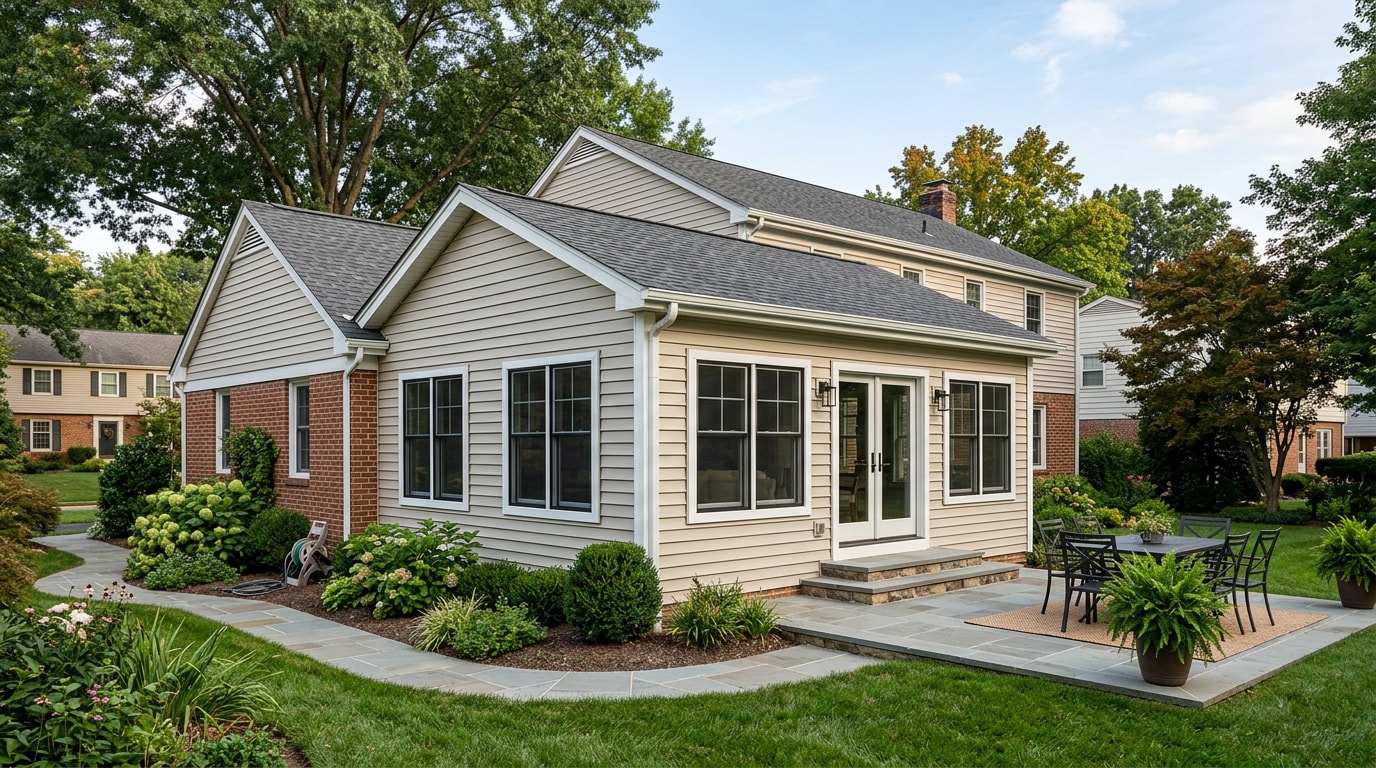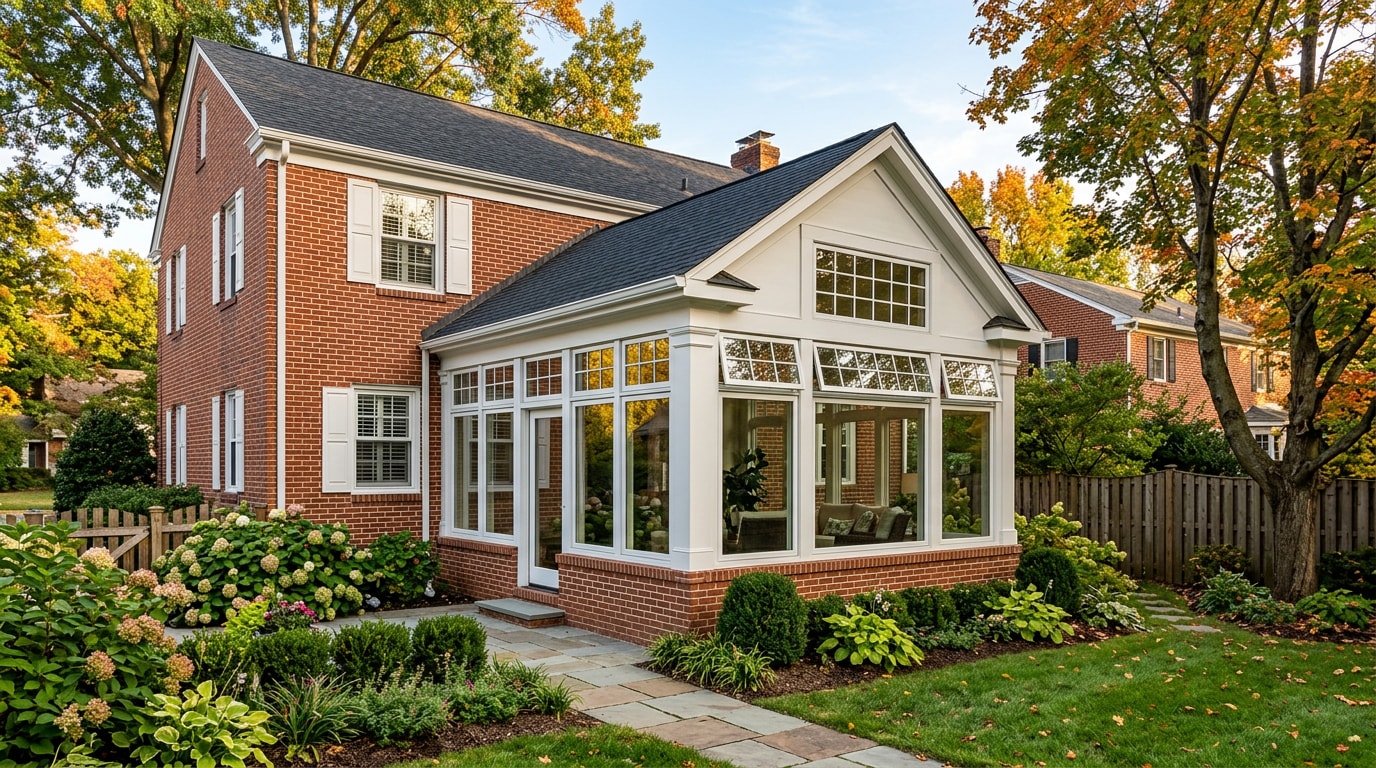
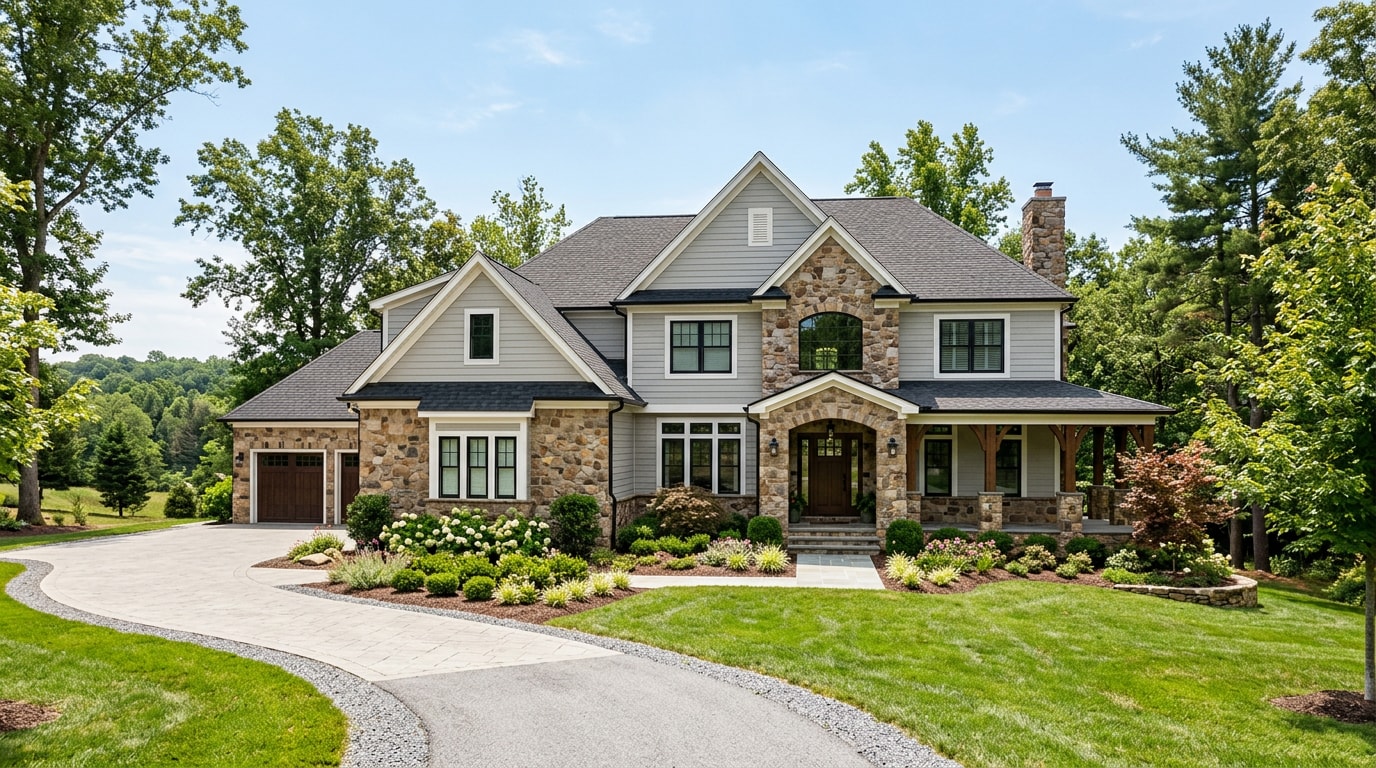
Home builders in Harford County, MD range from production companies working off a handful of floor plans to true custom builders who start with a blank lot and a conversation. This guide breaks down what a build actually costs per square foot in 2026, how permitting and construction really unfold here, and the lot-specific details that trip up first-time buyers. Read it before you sign a contract, then use it to ask sharper questions of whoever you're considering.
Why Build With a Local Harford County Home Builder
Harford County sits in a sweet spot for buyers who want space without losing a reasonable commute into Baltimore. Lot sizes range from suburban subdivisions to larger rural parcels, giving builders more room to work with than tighter, closer-in counties.
A builder based in the county also brings practical advantages a regional company treating it as just another market usually can't match. Local crews already know the inspectors, understand which soil types cause foundation problems in specific townships, and recognize the architectural character buyers expect from Fallston to Havre de Grace.
That local knowledge shows up in small ways that add up over a project: fewer permit resubmissions, faster inspection scheduling, and design choices that fit the surrounding neighborhood instead of a generic template. At LP Homes, we've managed builds across Bel Air, Forest Hill, and Fallston, and most of the inspection delays we see trace back to incomplete site plans rather than code violations. Check our Harford County service area to confirm coverage near your lot.
Types of Home Builders in Harford County and How to Choose
Not every builder offers the same scope of work, and picking the wrong category can cost you time and money.
- Custom home builder – designs from scratch around your lot and preferences; longest timeline, highest cost per square foot, most control.
- Semi-custom builder – modifies an existing plan library; faster than full custom, less personalization.
- Build-on-your-lot company – constructs a set design on land you already own; usually the fastest path if you already have the property.
Full custom homes cost more per square foot because nearly every decision starts from zero. Semi-custom splits the difference. Build-on-your-lot programs trade some flexibility for speed and price certainty.
Before signing anything, confirm the company is registered to build new homes in Maryland. All builders who build homes in Maryland must be registered with the Home Builder Registration Unit of the Office of the Attorney General. You can verify a company's status directly through the Maryland Office of the Attorney General's New Home Builder Registration page, which also explains how to file a complaint if a dispute comes up later.
If you're still weighing production versus fully custom, our new home builder guide for Harford County walks through that decision in more depth, including when each option makes financial sense.
Average Cost to Build a Home in Harford County, MD
Cost per square foot here typically falls into three tiers, driven mainly by finish level, design complexity, and lot type. Treat these as planning ranges, not quotes. Rates move with material costs and labor availability.
| Pricing Tier | Cost Per Sq Ft (2026 est.) | 2,500 sq ft Example | 4,000 sq ft Example |
|---|---|---|---|
| Entry/Production | $150–$190 | $375,000–$475,000 | $600,000–$760,000 |
| Mid-Range Custom | $190–$250 | $475,000–$625,000 | $760,000–$1,000,000 |
| High-End Custom | $250–$350+ | $625,000–$875,000+ | $1,000,000–$1,400,000+ |
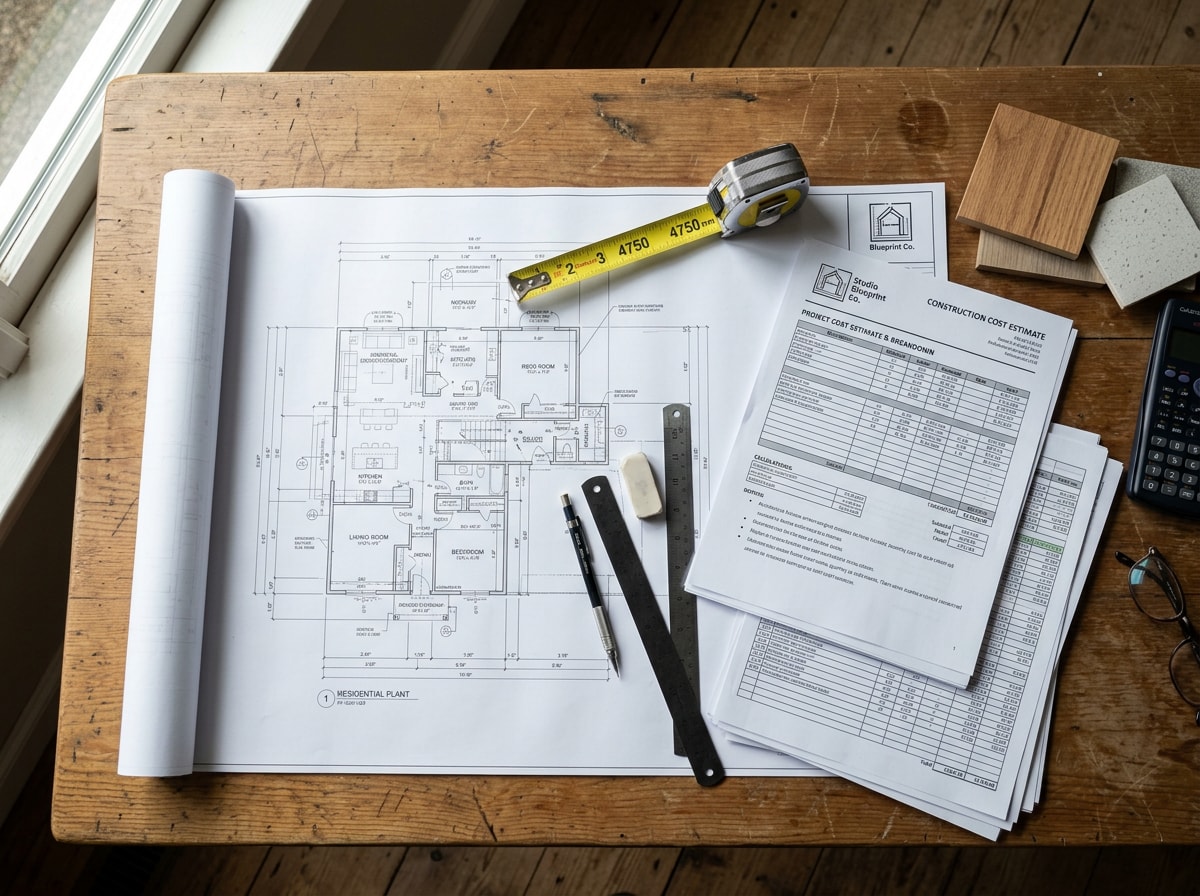
A land-clearing-heavy rural lot or a steep slope can push any tier toward its higher end. Browse our completed projects to see finishes at each price point.
Total Cost to Build a Home
A full new-home budget covers far more than framing and drywall. It includes the land, site work like grading and well or septic installation, permit fees, the foundation, the structure itself, and interior finishes.
For a representative 2,800 square foot home in the mid-range tier, expect the structure to account for roughly 65–75% of total cost. Land, site prep, and permitting make up the remainder, and that split shifts hard if the lot needs extensive clearing or a long utility run.
Cost by Home Size
Total cost doesn't scale in a straight line with square footage. Foundation, roofing, and site work are partly fixed regardless of size, so a 1,800 square foot home often carries a higher cost-per-square-foot than a 3,500 square foot home.
This matters when you're deciding between building smaller with high-end finishes or larger with more moderate ones. Fixed costs get absorbed more efficiently across a bigger footprint.
What Drives Cost Up or Down
Several factors show up consistently across Harford County projects:
- Lot type – a suburban lot with utilities at the street costs less to develop than a rural parcel needing a well, septic system, and a long driveway.
- Degree of customization – production pricing almost always beats custom pricing for identical square footage.
- Design efficiency – two-story homes typically cost less per square foot than single-story homes of the same size, since they share a foundation and roof footprint.
The Custom Home Building Process, Step by Step
Every custom build follows a similar arc, even though details shift project to project. It breaks into two stages: design and planning, then construction and project management.
Design and Planning
The floor plan takes shape around your lot and lifestyle here, not the other way around. You and the builder work through room layout, square footage, and material selections before a single permit gets filed.
A solid planning process also accounts for how the lot slopes, which direction the home faces, and where utilities connect. By the end of this phase, you should have a finalized floor plan and a realistic budget.
Construction and Project Management
Once permits clear, the builder shifts into active construction management: scheduling trades, holding the timeline together, and coordinating framing, electrical, plumbing, and finish crews. This is also where general contractor oversight keeps the project tracking to Harford County building codes through scheduled inspections.
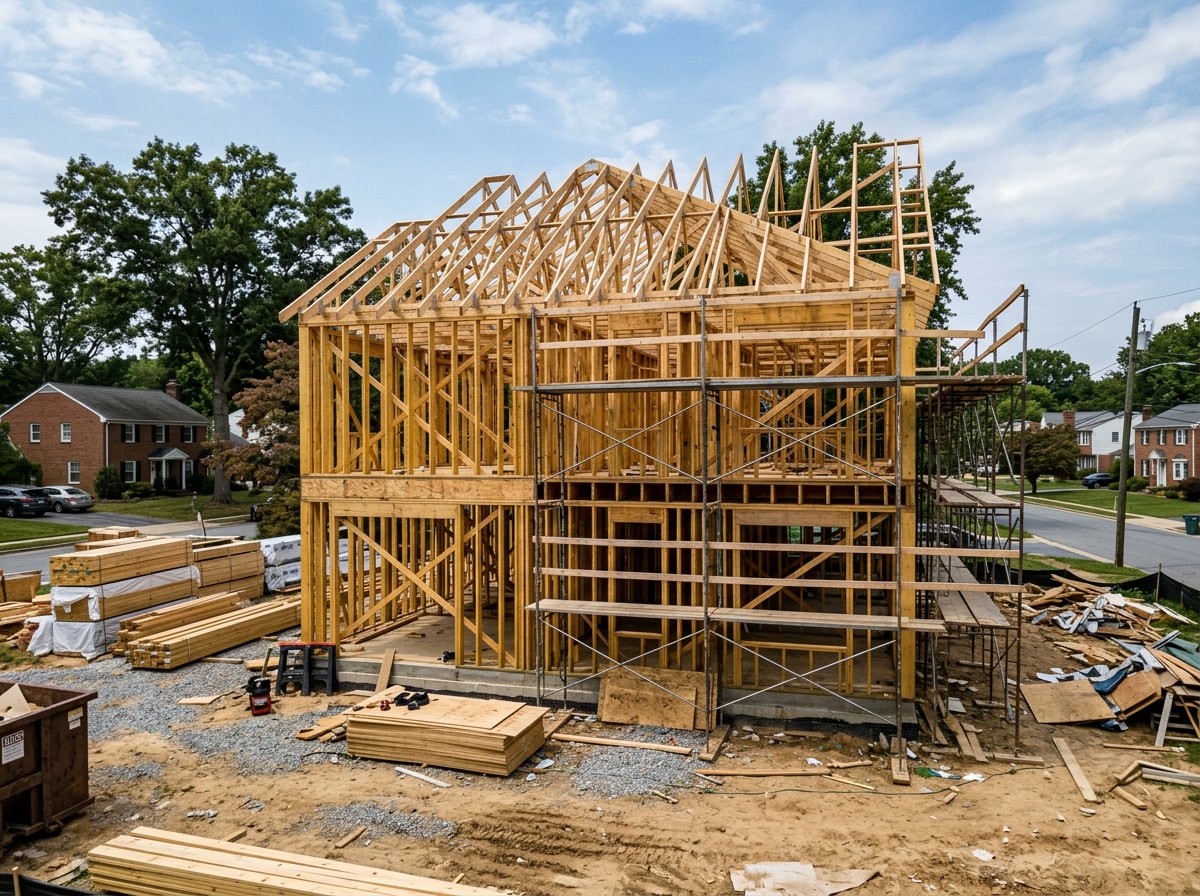
Delays at this stage usually trace back to weather, material lead times, or inspection scheduling, not workmanship.
Land, Zoning, and Environmental Review in Harford County
A building lot here needs to clear zoning and environmental review before construction starts. Skipping this step is the most common cause of early project delays. Setback requirements, lot coverage limits, and proximity to streams or floodplains all factor into whether a site is buildable as planned.
Lots near waterways or low-lying ground often need closer review. Most activities in tidal wetlands, nontidal wetlands, waterways, and floodplains require authorization from the Maryland Department of the Environment. You can review the requirements directly on MDE's Wetlands and Waterways FAQ page before you commit to a parcel.
Before purchasing, run the parcel through the county's GIS mapping tools for a quick land evaluation covering flood zones, easements, and zoning classification. A builder familiar with Harford County zoning can usually flag red flags on a lot within a day or two. See examples of completed sites, including infill and rural builds, in our project portfolio.
Permits, Fees, and Realistic Timelines
Harford County building permits and impact fees generally run lower than in more densely populated nearby counties, though exact costs depend on project size, scope, and location. Fees fund infrastructure like schools and roads tied to new residential growth.
Expect separate line items for building permits, electrical and plumbing permits, and any required stormwater permit tied to site disturbance. The Harford County Permit Center expedites applications for county permits, licenses, and inspections by gathering county reviewers from several departments, including Planning & Zoning and Public Works, into a single workspace. You can review current applications and fee schedules on the county's Permits & Licenses page.
That coordination shows up in the numbers. In a recent fiscal year, Harford County issued an average of 26.30 days to process a building permit, with a median of 11.25 days, and 72.11% of permits issued within 30 days. That's a useful benchmark when a builder gives you a permitting timeline estimate.
Most custom builds in Harford County run nine to fourteen months from signed contract to move-in, depending on design complexity and permit review times. Production-style builds on existing plans move faster; fully custom designs on undeveloped land take longer. A typical breakdown looks like this:
- Design and selections: 4–8 weeks
- Permitting: 4–8 weeks, often concurrent with design
- Site work and foundation: 3–4 weeks
- Framing: 4–6 weeks
- Rough-in trades: 4–6 weeks
- Finishes: 6–10 weeks
Permitting and weather-related site delays are the most common sources of schedule slippage, not builder performance.
Ready to put real numbers against your lot? Get a free estimate and we'll walk through cost, timeline, and permitting specifics for your property.
FAQ
How much does it cost to build a house in Harford County, MD?
Most buyers land between $150 and $350+ per square foot depending on finish level and customization, so a 2,500 square foot home typically runs $375,000 to $875,000 or more before land costs. Rural lots needing a well, septic, or extensive clearing push that higher.
How long does it take to build a new home in Harford County?
Plan on nine to fourteen months from signed contract to move-in for a custom build. Production-style homes on existing plans can finish faster; fully custom designs on undeveloped land typically take longer.
Do I need a permit to build a house in Harford County?
Yes. You'll need a building permit at minimum, plus separate electrical, plumbing, and sometimes stormwater permits depending on site disturbance. The county's Permit Center handles applications across departments in one location.
What is the process for working with a custom home builder?
You select land, finalize a floor plan and finishes with the builder, then the builder manages permitting and construction through move-in. Most buyers stay closely involved during design and check in periodically once construction begins.
Can a builder help us choose the right location and lot?
Yes. A builder familiar with the area can evaluate zoning, soil conditions, and site access before you commit to a lot. See the Land, Zoning, and Environmental Review section above for the specific checks worth running on any parcel.
Do builders provide warranties on custom home projects?
Most builders offer a workmanship warranty covering structural and system defects for a set period after move-in, often one to several years depending on the component. Exact terms vary by builder and should always be spelled out in the contract.
Can changes be made to the design during construction?
Usually, yes, through a formal change order process. Changes typically affect both cost and timeline once materials are ordered or work has started, so requesting them earlier, ideally during design, keeps the impact smaller.