If you're searching for modular home builders Baltimore County, MD has a handful of companies worth your time, but figuring out which ones actually build locally, hold the right state credentials, and deliver real turnkey construction takes some digging. We built this ranking from public licensing records, service-area details, and the kind of vetting criteria a serious buyer should run through before signing a contract. Here's what we found, starting with the team behind this page.
1. LP Homes Inc
Full disclosure: this is our company, and we're the ones publishing this list.
LP Homes Inc works as a general contractor serving Harford County, MD, with a focus on custom home construction, home additions, and full-scale remodeling projects. We're listed first because this is our website, not because we're claiming to out-rank anyone on modular-specific credentials.
Modular construction isn't our core specialty. Our background is in custom, site-built construction, which means we understand the planning, permitting, and site-work side of any new build, modular or not. Clients comparing modular quotes against a traditional build often ask us the same questions about foundations, utility hookups, and permit timelines, so we see firsthand how much those site-work costs vary from one Baltimore County lot to the next. If you're weighing modular against a traditional approach, our custom home construction services page walks through how a site-built process compares, and our 2026 guide to custom home costs and permits in Baltimore County breaks down the budgeting side in more detail.
2. Point Modular Homes
Point Modular Homes is a trusted, Maryland-licensed builder in Baltimore County that prioritizes transparency, quality, and turnkey construction services.
The company's Maryland Home Builder License number is #6904.
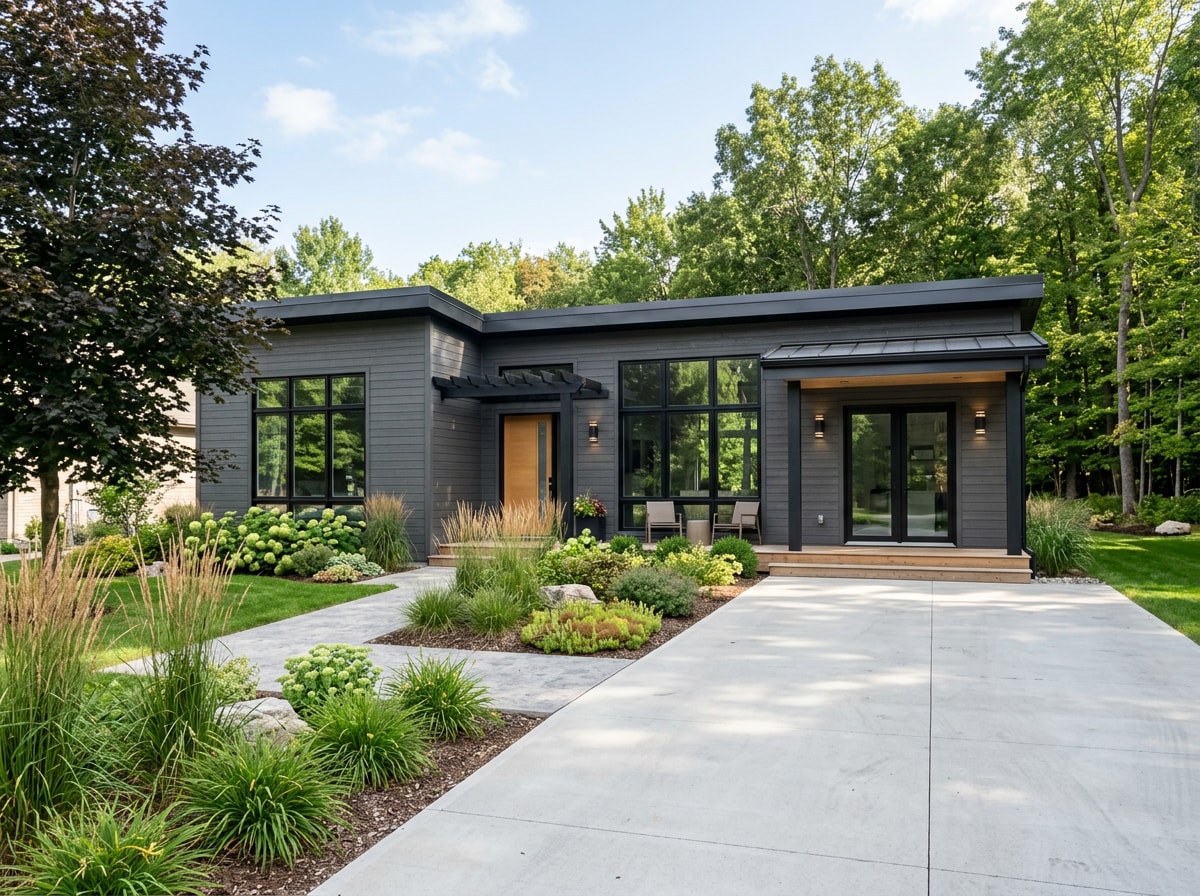
Point Modular Homes was started in 2012 by an owner who had previously spent 29 years as COO of another regional modular builder, beginning his modular building career in 2004. Working out of Baltimore County means the company is familiar with the local permitting environment and coordinates factory production with on-site installation. Because it offers turnkey service, buyers typically deal with one point of contact from contract signing through move-in.
3. Advantage Homes, Inc.
Advantage Homes, Inc. has operated for over 37 years as both a custom home builder and a modular home builder serving Anne Arundel County, Baltimore County, Carroll County, Harford County, Queen Anne's County, and Baltimore City.
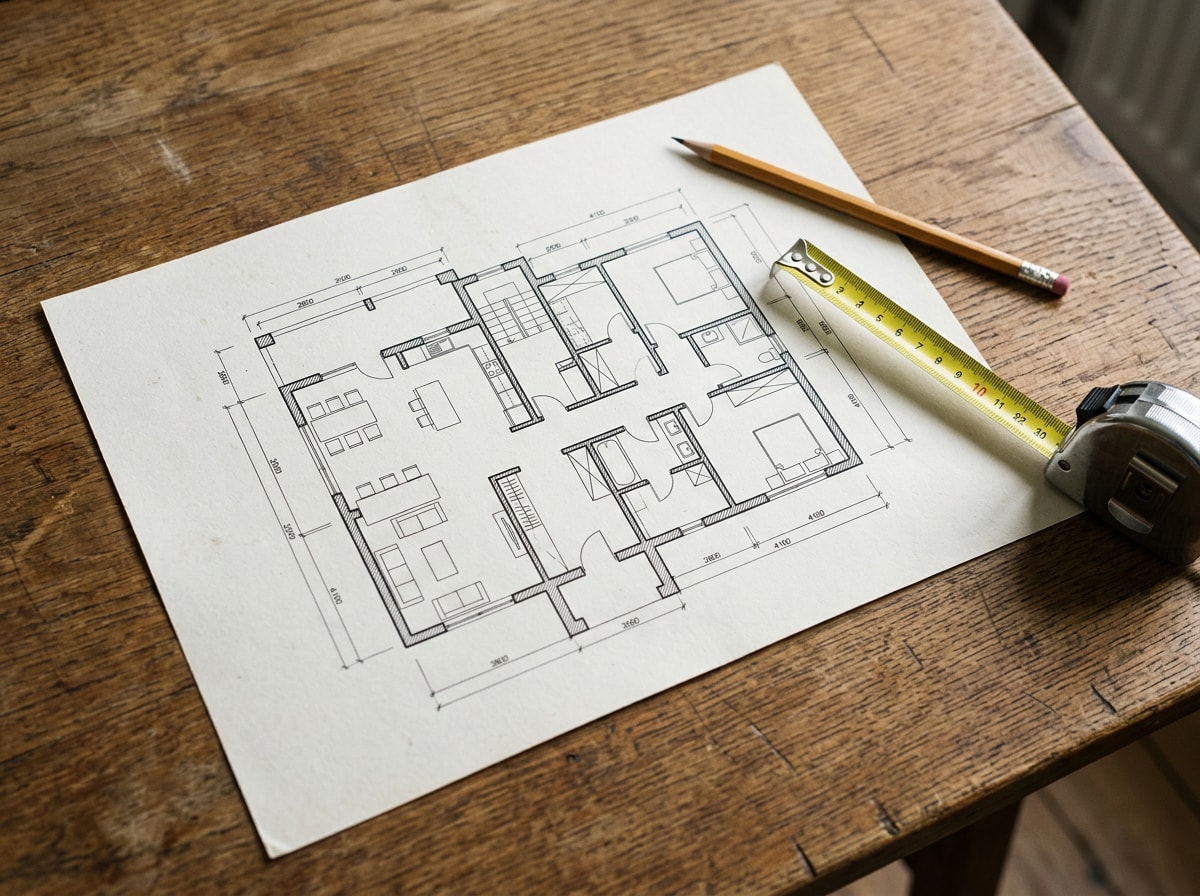
Because Advantage Homes covers multiple counties rather than a single town, it's worth confirming current availability and lead times for Baltimore County projects specifically before you build a construction timeline around them.
4. Residential Builders, LLC
Residential Builders is a veteran-owned, family-operated business founded in 2005, serving Baltimore County and the surrounding Maryland communities.
The company serves Baltimore County as well as North Anne Arundel, Carroll, Harford, and Howard counties.
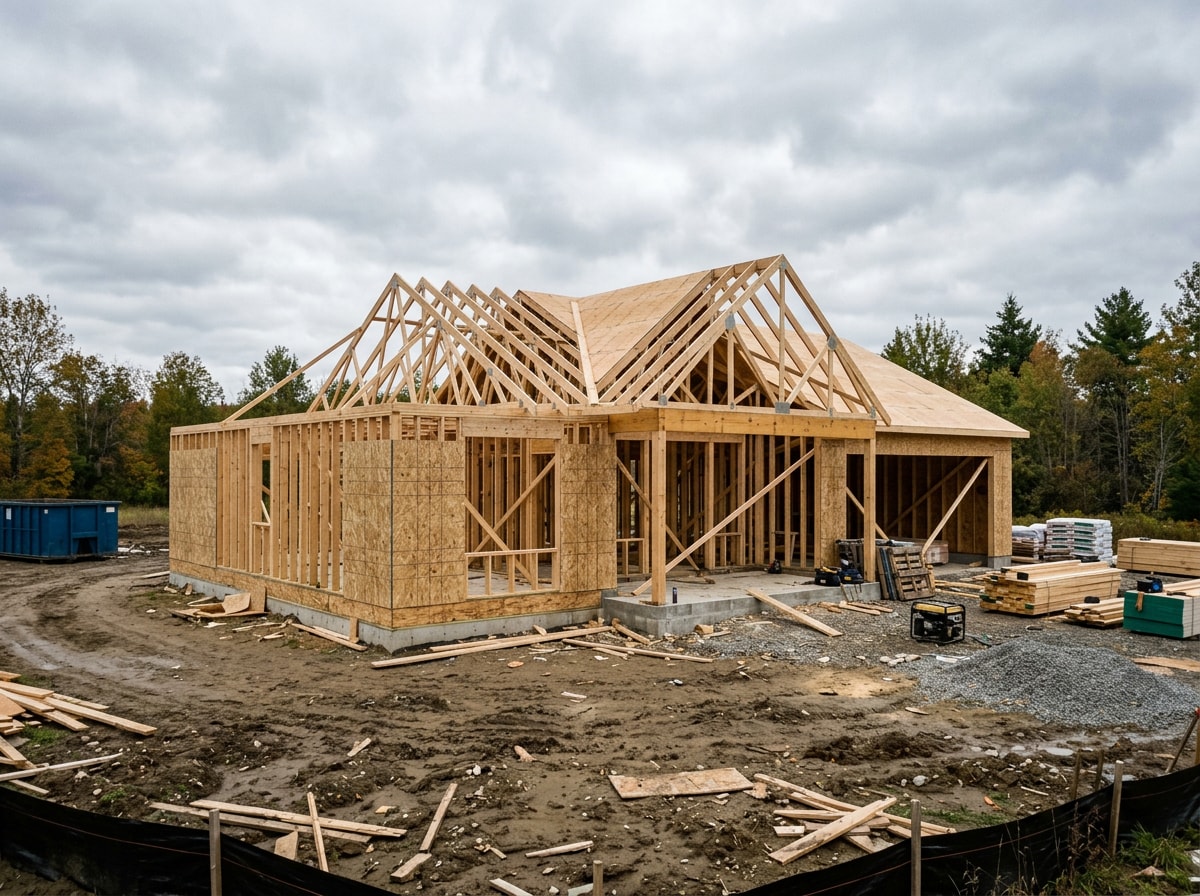
Family-run, veteran-owned builders sometimes operate with smaller crews than larger regional companies, which can mean more direct communication but potentially longer scheduling windows during busy seasons. It's reasonable to ask about current project capacity before setting a start date.
5. PurBilt
PurBilt offers a full range of modular home solutions, including custom modular homes, modular ADUs and home additions, and modular commercial buildings.
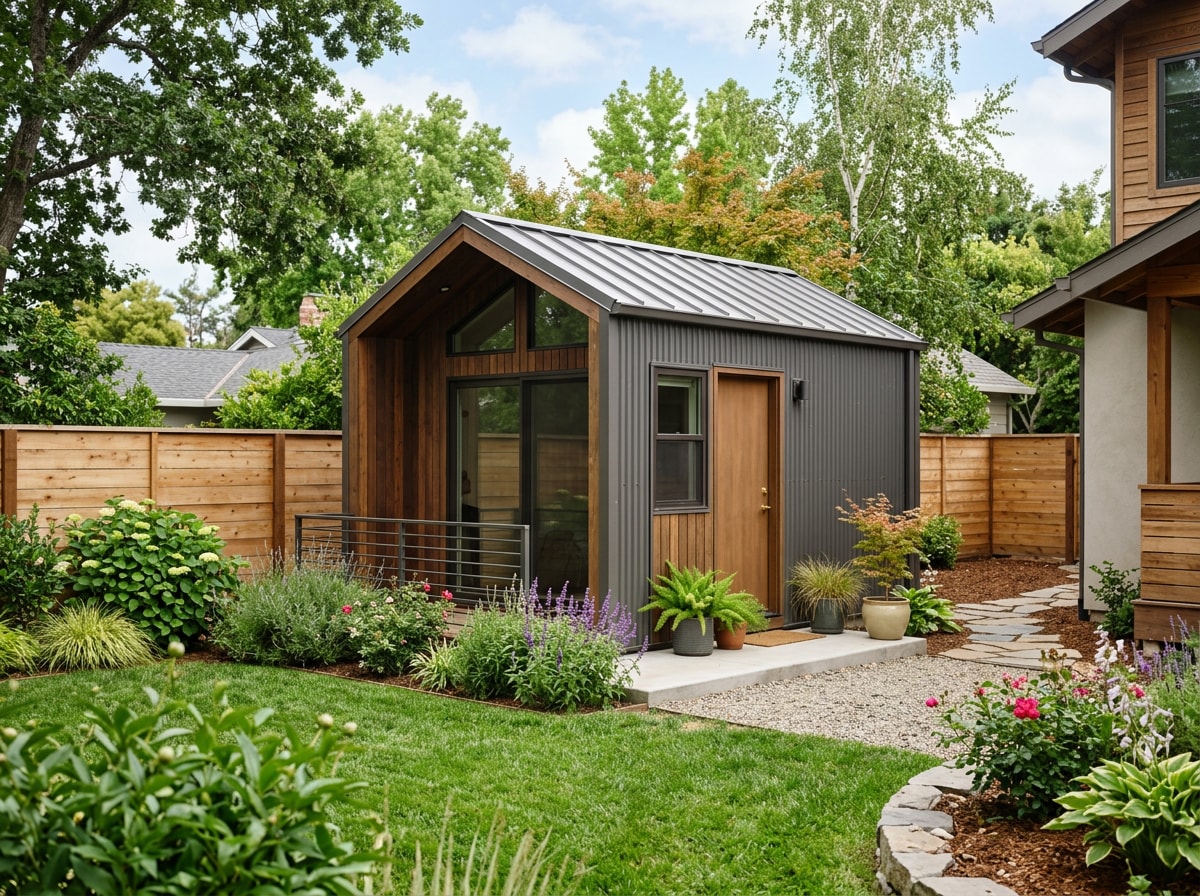
PurBilt's broader ADU and commercial focus may suit buyers looking for an accessory unit or a modular addition rather than a full primary residence. If you're weighing a modular addition against a traditionally framed one, our home additions services page walks through how a conventional, site-built addition process compares in scope and sequencing.
6. Finish Werks
Finish Werks is a custom, green construction company that produces Energy Star-certified properties.
Based in Savage, Maryland, the company builds a variety of green, custom modular homes using state-of-the-art techniques in a carefully controlled environment to produce energy-efficient, durable results.
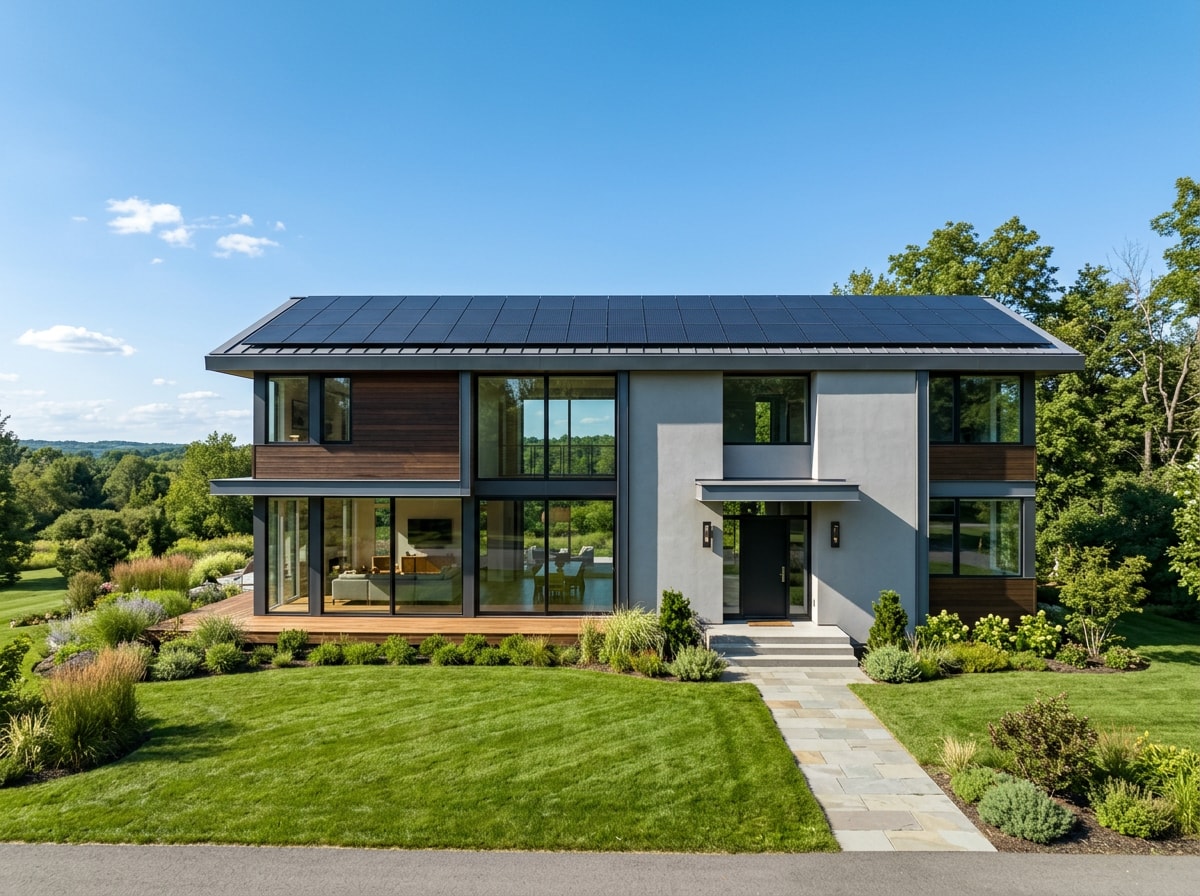
Energy Star certification means a home meets specific efficiency criteria defined by the EPA's ENERGY STAR program, covering insulation, air sealing, and mechanical systems. If a green modular home matters to you, ask any builder for documentation on which certification level a specific model actually achieved before you sign.
7. Chesapeake Energy Homes
Chesapeake Energy Homes offers an alternative to traditional home building through modular construction, providing energy-efficient custom modular homes designed to accommodate every client's needs.
As a custom modular builder, Chesapeake Energy Homes follows a process similar to other companies on this list: pick a base plan, customize layout and finishes, then coordinate factory construction with site preparation and installation.
How We Ranked These Modular Home Builders
We didn't accept paid placement to build this list. Instead, we looked at verifiable, public information:
- Work history and years actively building in the Baltimore County market
- Geographic service area and whether it genuinely includes Baltimore County
- Licensing and registration status with the state
- Clarity of each company's process, from design through final walkthrough
For modular builders specifically, we went a step further than a typical general contractor roundup. Maryland law requires all home builders, with limited exceptions, to register with the Consumer Protection Division before entering into any contracts with consumers for the construction or sale of a new home. We checked for that registration status wherever it was publicly listed, since it's one of the few consumer protections that applies regardless of which modular factory a builder partners with.
We also looked for evidence that each builder's factory partner carries a valid Maryland state insignia, and whether the company shows familiarity with Baltimore County permits and inspection steps for factory-built homes. Those steps differ somewhat from a standard stick-built permit process, which is where a general contractor with local permitting experience can still add value even on a modular project. For current registration requirements, see the Maryland Office of the Attorney General's home builder registration page.
The Maryland Modular Insignia: What It Actually Covers
Most buyer guides gloss over this part, but the insignia is the single document that protects you if something goes wrong. The Maryland State Standards pre-empt local jurisdiction building codes for modular homes , which means a county inspector in Baltimore County is checking the home against the same state performance code no matter which town the factory shipped it from.
In Maryland, a modular home displays green certification labels provided by the state in the interior of the home, generally inside the cabinets under the kitchen sink. That's a detail worth remembering: if you ever need to confirm a home is genuinely modular and not an unpermitted manufactured unit, you're looking for a sticker inside a cabinet, not a plaque on the exterior. The state charges builders an insignia fee of $50 for each residential structure insignia , a small cost that's baked into every legitimate modular quote you'll receive.
Here's how the three main build types break down under Maryland rules:
| Feature | Modular | Manufactured (HUD) | Site-Built |
|---|---|---|---|
| Governing code | State/local building code | Federal HUD code | State/local building code |
| Certification mark | Green state insignia, inside the home | Red HUD label, on exterior | County inspection sign-offs |
| Local permit process | Similar to site-built, state code pre-empts local amendments | Simplified, HUD-regulated | Standard county permitting |
| Where it's built | Off-site factory, assembled on a permanent foundation | Off-site factory | Entirely on-site |
FAQ
What is the difference between a modular home and a manufactured home?
The modular homes are built in a factory to state standards enforced by the state using state laws and regulations, and the Maryland state standards pre-empt local jurisdiction building codes for modular homes. A manufactured home, by contrast, is built to a federal HUD code and carries a red exterior label rather than a state insignia. For code specifics, see the HUD Office of Manufactured Housing Programs.
Are these builders certified in Maryland?
Builders and their factory partners should hold a valid Maryland insignia or state certification confirming the home meets the applicable building code. Before signing anything, ask to see the specific label tied to the exact model you're considering, since documentation can vary by project and by factory partner.
What's the average cost per square foot in Maryland?
There isn't one reliable number. Finish level, site work, and foundation type all swing the total significantly, so treat any single per-square-foot figure as a rough starting point. Land prep, utility hookups, and custom finish selections can shift the total further, so request an itemized estimate before comparing quotes side by side.
How long does it take to build a modular home?
Factory construction lets crews build a home's modules indoors while site work and foundation prep happen at the same time on your lot. Modular buildings are significantly faster to build than traditionally crafted buildings, and studies show modular buildings take 25-50% less time to build than traditional buildings , according to the Modular Building Institute. The exact timeline still depends on permitting, site conditions, and how customized the home is.
Is a modular home cheaper than a stick-built home in Baltimore County?
Often, but not always. Volume material purchasing and reduced weather delays can lower costs, but site work, foundation type, and finish selections can erase much of that savings on a tight urban lot. Get quotes for both approaches before assuming modular is automatically the cheaper path.
Ready to compare your options? Get a free estimate and we'll help you think through site work, permitting, and whether a modular or traditional build fits your Baltimore County lot.