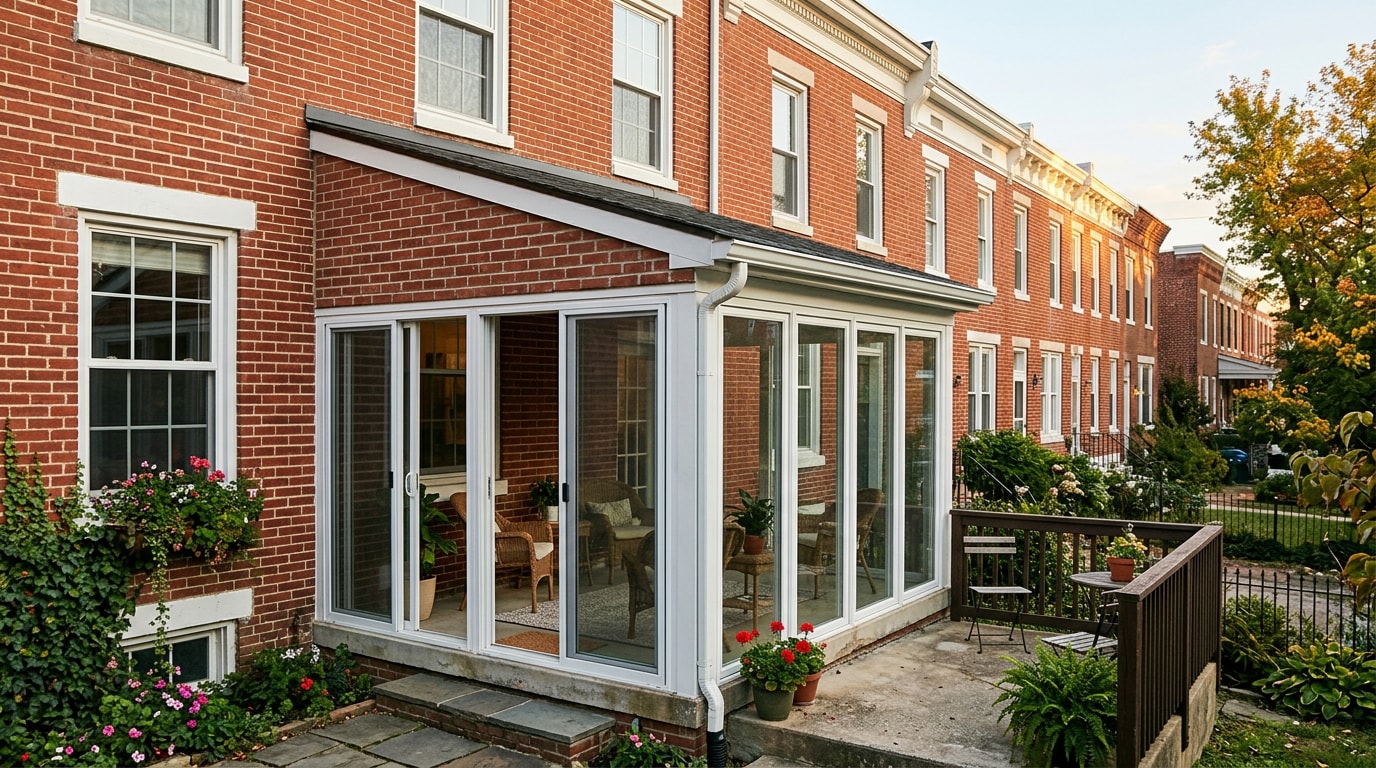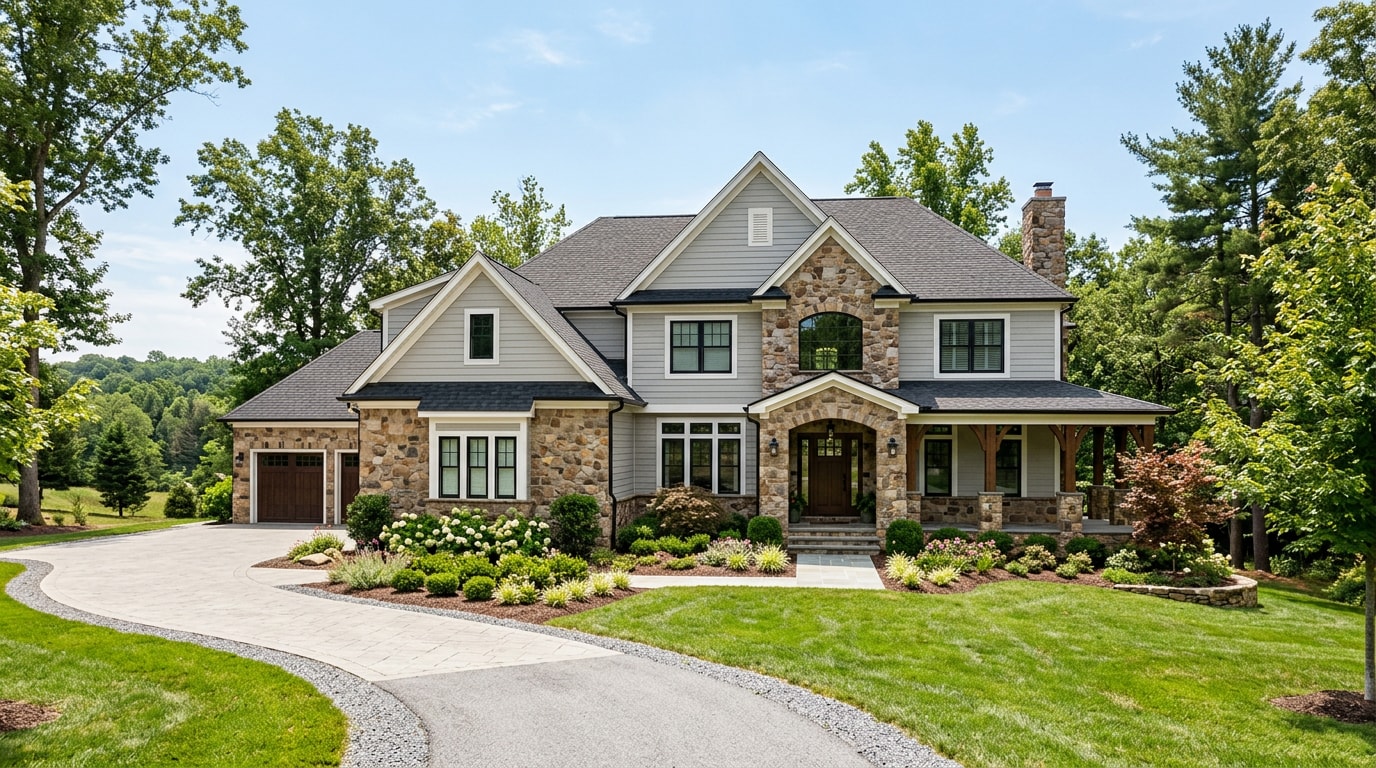
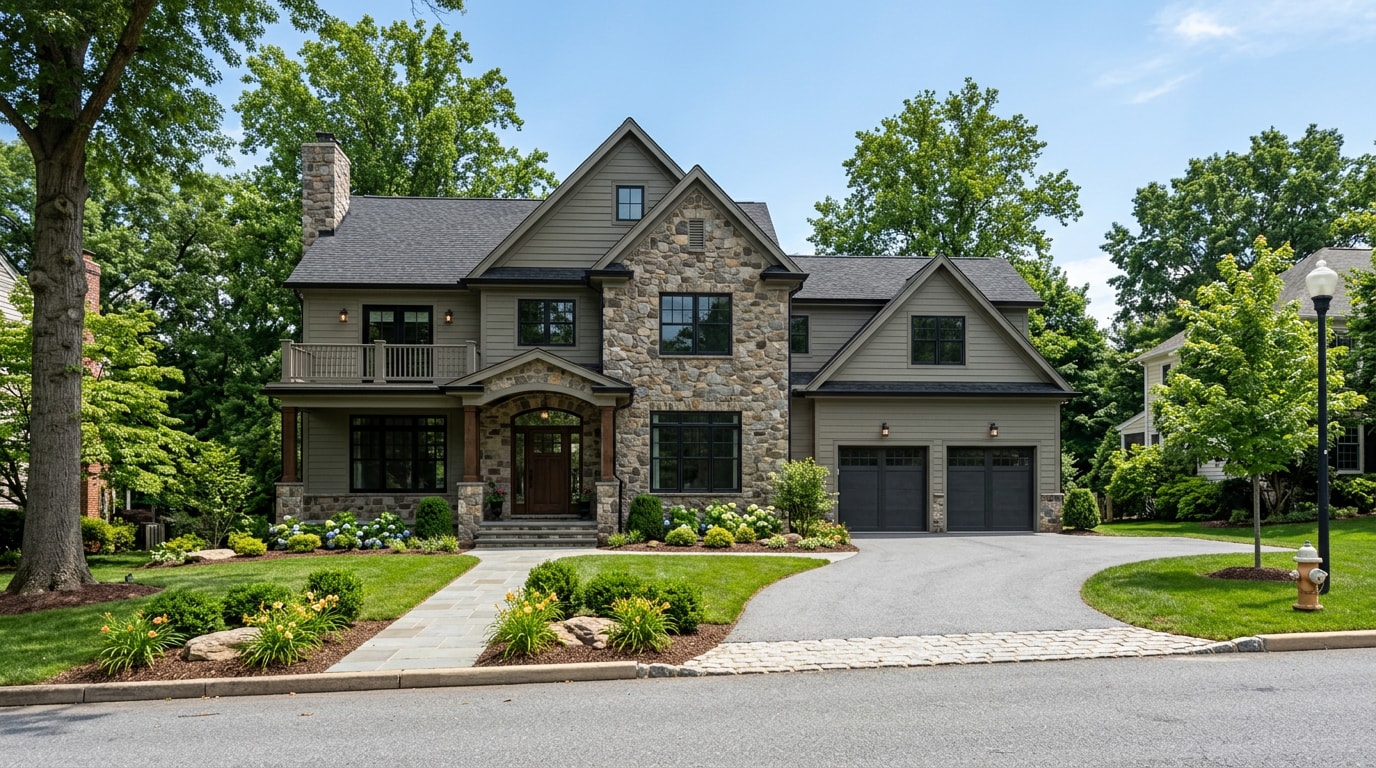
Custom home construction in Baltimore County, MD starts with one question most buyers skip: which side of the county's zoning line does your lot sit on. Get that answer wrong and your land cost, utility plan, and timeline can all shift before you ever pick a floor plan. Here's what actually drives cost, approvals, and build time across the county in 2026.
Why Build a Custom Home in Baltimore County
Custom home construction here appeals to buyers who want more space and more control than a production-built house offers. Baltimore County often delivers more land for the money than Howard or Montgomery County, especially in its rural stretches, while keeping you close to Baltimore City, BWI, and major employment corridors.
The county is also large and varied, covering Towson, Catonsville, Dundalk, and dozens of smaller communities, each with its own lot sizes and zoning quirks. That diversity is part of the appeal, and part of why working with an experienced custom home builder matters before you fall in love with a specific parcel.
Whether you're drawn to a walkable suburban neighborhood or a few quiet acres in Baltimore County, the fundamentals of building here come down to three things: zoning, land, and budget.
The URDL: Baltimore County's Defining Zoning Line
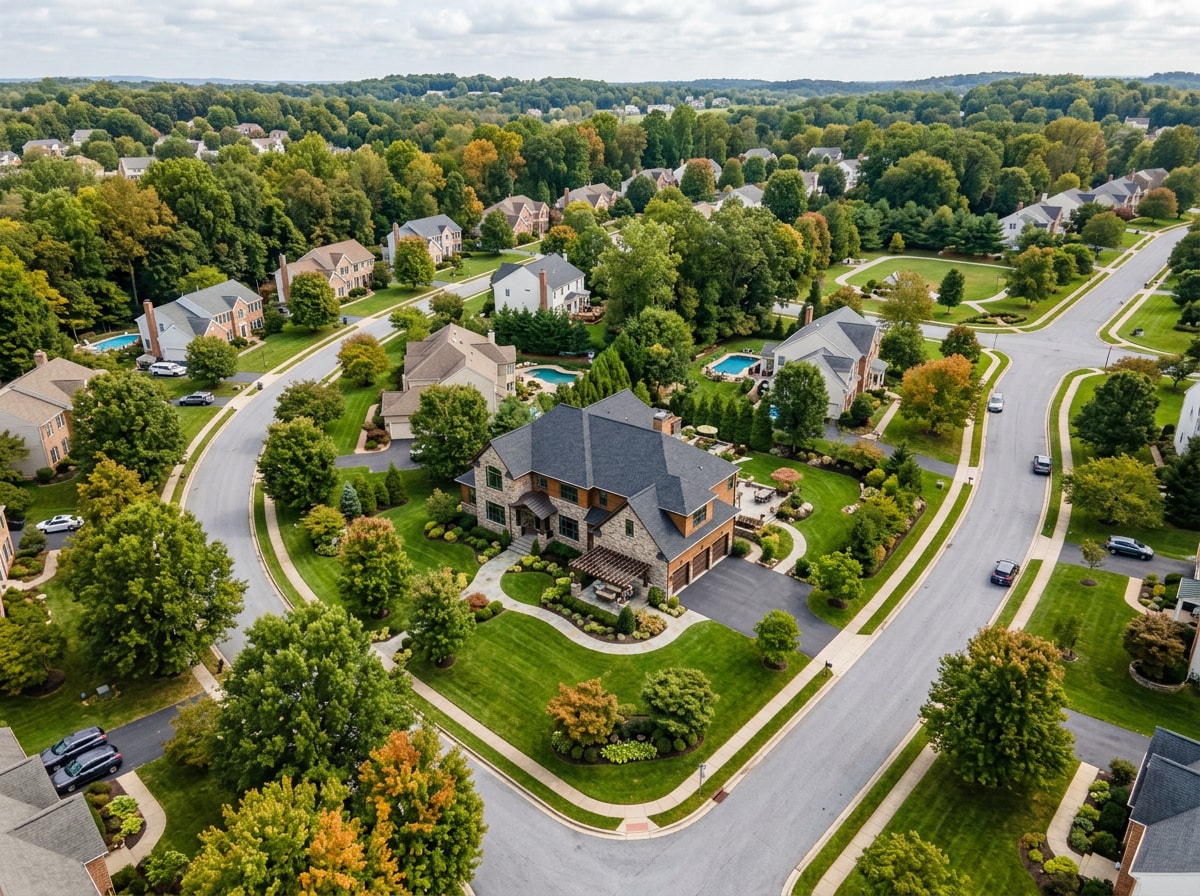
The first question to ask about any Baltimore County property is whether it sits inside or outside the Urban Rural Demarcation Line, known locally as the URDL. Lot size, utility access, zoning category, and often price all flow from that answer.
The URDL has divided the county into urban and rural areas since 1967, and it restricts the delivery of public water and sewer service to only about a third of the county's land area. Baltimore County is also unusual in that it contains no incorporated towns or municipalities, so the URDL does much of the work that city limits would normally do elsewhere.
Inside the line, denser suburban-style development is supported by public water and sewer. Outside it, the county protects agricultural and rural land, which generally means larger minimum lot sizes, private well and septic systems, and stricter conservation review.
| Factor | Inside the URDL | Outside the URDL |
|---|---|---|
| Typical lot size | Under 1 acre in many areas | 1 to several acres, sometimes more |
| Water/sewer | Public utilities | Private well and septic |
| Zoning emphasis | Residential, mixed-density | Agricultural, resource conservation |
Baltimore County's residential zones fall into three categories: Density Residential (DR), Resource Conservation (RC), and Residential Office (RO). Every new dwelling permit also requires an engineer-scaled and sealed site plan, prepared by a professional engineer, surveyor, or landscape architect, regardless of which zone you're building in. For the current zoning map and category definitions, see the Baltimore County Zoning Review office.
Evaluating Land Before You Buy
Buildable land varies block to block in Baltimore County. A parcel that looks attractive on paper can carry real restrictions once you dig into a lot evaluation, particularly around forest cover.
Any development activity on a tract of 40,000 square feet or more is generally subject to the county's forest conservation law, which can require a forest stand delineation and an approved conservation plan before grading begins. That threshold catches more rural lots than buyers expect, since an acre is just under 44,000 square feet. Details are published by the county's Environmental Impact Review office.
Ready-to-Build Lots vs. Raw Land
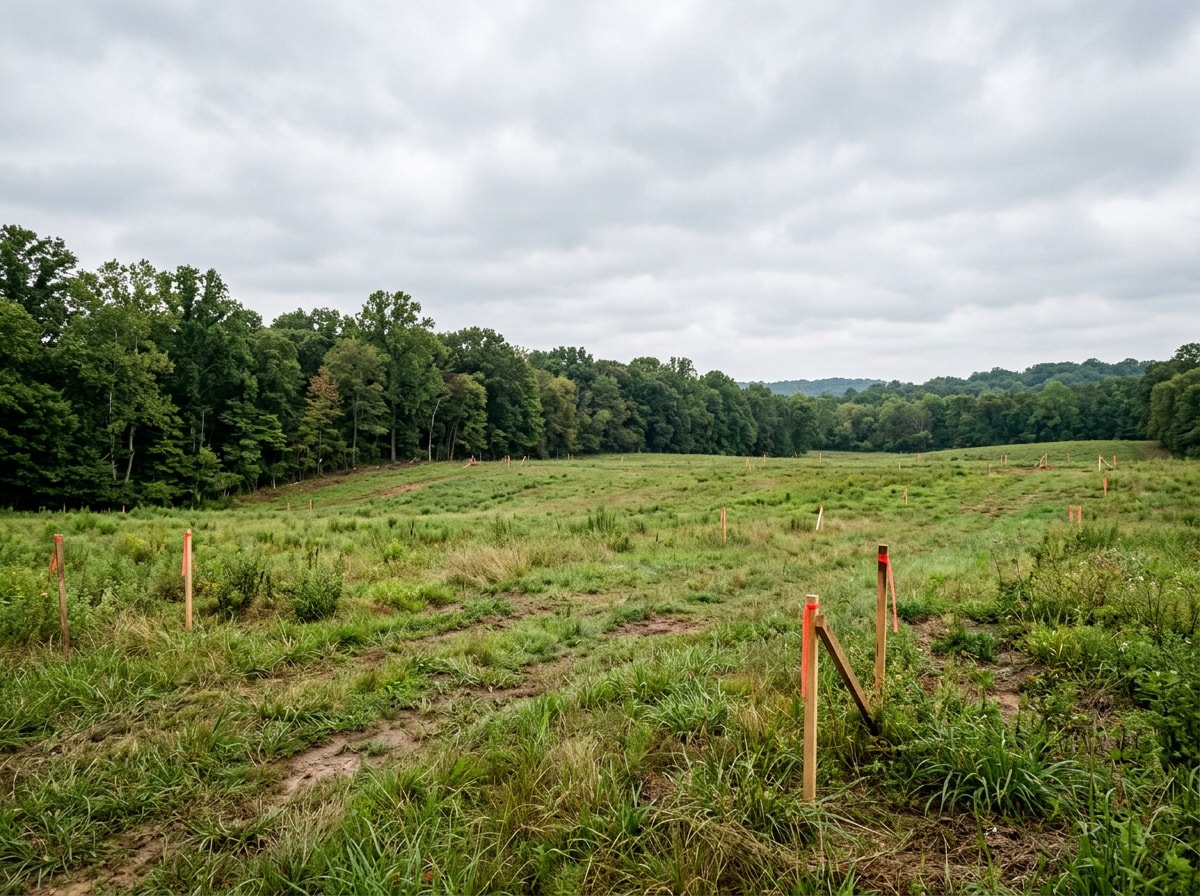
- Ready-to-build lots cost more upfront, often $200,000 to $400,000 or more in desirable rural areas, but perc testing, road access, and utility availability have typically already been confirmed.
- Raw land usually costs less to buy, but you're responsible for perc testing, confirming legal access, and extending utilities or installing a well and septic system before anyone can break ground.
- A raw parcel that looks like a bargain can turn out to be unbuildable once testing is complete, so treat any "buildable acreage" claim in a listing as a starting point, not a guarantee.
What Custom Home Construction Costs in Baltimore County (2026)
Cost figures here are a starting point for budgeting conversations, not a binding quote. Your final number depends on lot type, finish level, and site conditions.
Building a custom home in Baltimore County typically runs $250 to $375 or more per square foot. For a 2,500-square-foot home, that's roughly $875,000 to $1.4 million total once land, site development, construction, and permits are included.
Costs also aren't even across a floor plan. A kitchen can run $400 to $500-plus per square foot, a bathroom similarly high, a bedroom closer to $150, and a garage $50 to $75. That means final pricing depends heavily on how much kitchen and bath space a plan includes.
Suburban vs. Rural Budgets
| Line item | Inside the URDL (suburban) | Outside the URDL (rural) |
|---|---|---|
| Land | $200,000–$400,000 | Often lower per lot |
| Site work | $25,000–$50,000 | Higher, due to well, septic, and longer driveways |
| Construction | $625,000–$875,000 | Comparable, depending on finishes |
| Permits/impact fees | $20,000–$25,000 | Varies by jurisdictional review |
| Typical total | ~$870,000–$1.35 million | Similar total, different mix |
Neither path is inherently cheaper. Lower land cost outside the URDL is usually offset by higher site-development cost, so the right comparison is parcel by parcel, not just inside versus outside the line.
New residential development may also be subject to a county impact fee under local code, so it's worth confirming whether a specific lot carries that cost before you finalize a budget. Before comparing builder bids, confirm whether site work, permits, and impact fees are bundled in or billed separately. That distinction alone can swing a budget by tens of thousands of dollars.
Financing Your Custom Home
Most custom builds are funded with a construction loan rather than a standard mortgage. A construction loan is a short-term loan that provides funds to cover the cost of building a home, with money released in stages as work is completed instead of all at once.
Not every construction loan converts automatically into a permanent mortgage. You may be able to convert the loan into a standard mortgage once the home passes final inspection, but if your loan isn't set up as a true construction-to-permanent product, you could have to reapply for separate financing. That's a detail worth confirming with your lender before you sign anything, not after.
Talk with lenders and a financial advisor before you fall in love with a lot. Getting pre-qualified early tells you what's realistic and lets you move quickly once you find the right parcel.
The Design-Build Process: From Idea to Move-In
Initial Consultation & Vision Planning
The process starts with a consultation focused on listening, not selling. A builder should spend this meeting understanding your lifestyle, your must-haves, and your budget before a single line is drawn.
This is also when you set priorities. Weighing one more bedroom against a larger kitchen, or a finished basement against a bigger garage, keeps the design phase focused and prevents costly redesigns later.
Design Development Through Project Completion
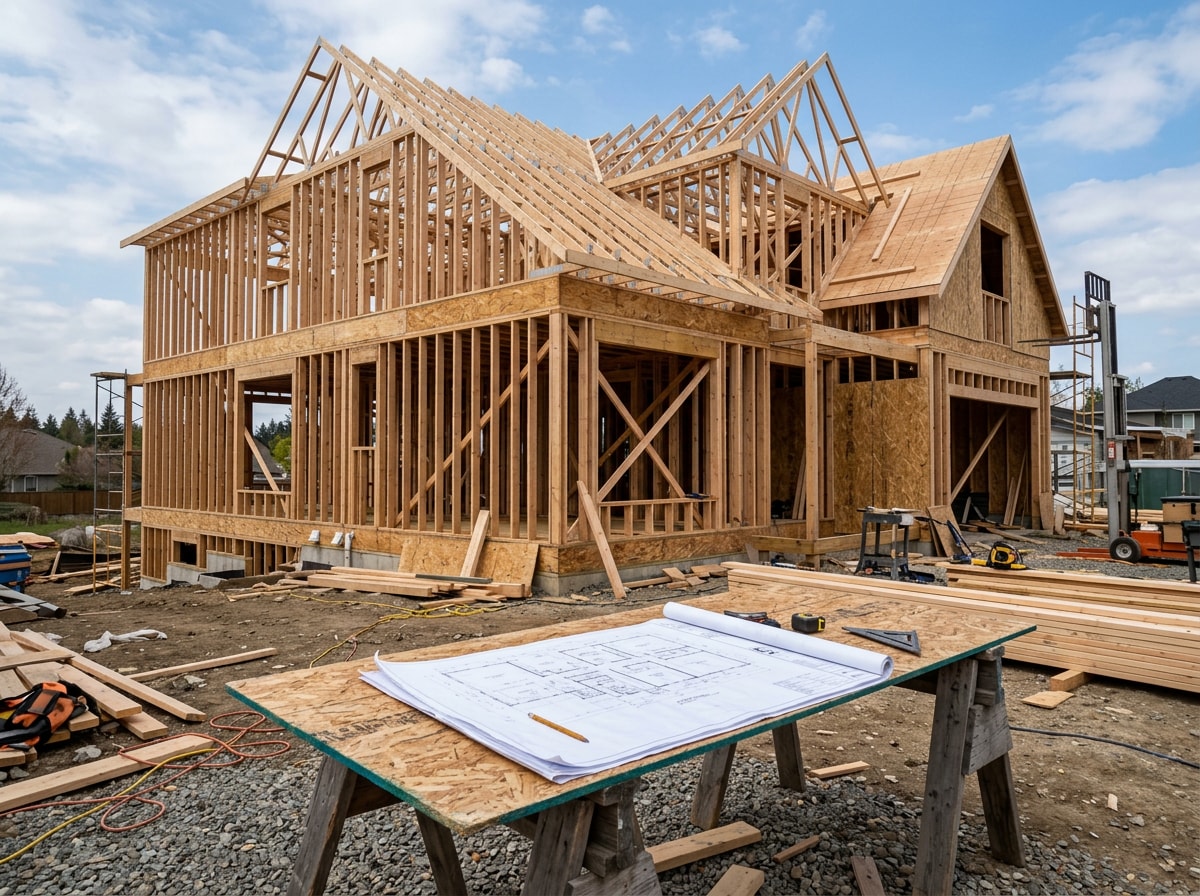
With priorities set, the team moves into design development, turning your vision into a custom floor plan and elevations that match your lifestyle and site conditions. Finishes, structural details, and mechanical systems get worked out before permitting begins.
From there, construction carries the project through framing, mechanicals, and finishes. Project completion includes punch-list items and final inspections, not just a walkthrough, so the home you move into matches the one you designed. You can review completed local projects to see how this process plays out in finished homes.
Permits & Approvals in Baltimore County
Permitting is one of the least predictable parts of the timeline, so it should start as early as possible, ideally before every design detail is locked in. A building permit is required for construction of any new residential dwelling in the county, and new electrical applications for new housing units must now include EV charging wiring or documentation that the unit is exempt.
Typical build time in Baltimore County runs 6 to 14 months depending on complexity, and permit review is usually the biggest variable in that range. A straightforward suburban lot inside the URDL tends to move faster through zoning review than a rural parcel that needs septic and well permits layered on top of standard building review.
Permit scope and fees differ for a new dwelling versus an addition or renovation, so don't assume a quote for one applies to the other. For current requirements and the online application, see the county's New Residential Dwelling Building Permit page. Our breakdown of zoning, permits, and costs for construction builders covers how this process applies to renovation and remodeling projects as well.
Build On Your Lot in Baltimore County
Not every custom build starts with a builder's spec plan on a builder-owned lot. In a build-on-your-lot model, you supply the land, whether it's a parcel you've owned for years or one you just purchased, and the builder designs and constructs a custom home on your land instead of fitting you into a pre-planned community layout.
This approach gives you more control over site placement, orientation, and design, since the home is built around your lot's actual terrain and views instead of a generic template. It generally requires more upfront coordination on site work and permitting, but it's the standard path for most genuine custom home construction Baltimore County, MD, projects outside of planned subdivisions.
In our own consultations across the county, the biggest timeline swings we see come from well and septic approval on rural lots, not from the home design itself. Planning for that review window up front saves months later. Our custom home construction services cover this process from site evaluation through move-in. Get a free estimate to talk through your specific lot before you commit to a design.
Visit our homepage to see the full range of general contracting services we offer across the county.
FAQ
How long does it take to build a custom home in Baltimore County?
Most custom homes take 6 to 14 months to build from groundbreaking to move-in, though total project time, including design and permitting, often runs longer. The biggest variables are home size, whether the lot sits inside or outside the URDL, and how complex permit review turns out to be for that specific site.
How much does it cost to build a custom home in Baltimore County?
Expect roughly $250 to $375 or more per square foot, or about $875,000 to $1.4 million total for a 2,500-square-foot home once land, site work, construction, and permits are included. See the cost section above for how suburban and rural budgets differ in practice.
Do I need a permit to build a custom home in Baltimore County?
Yes. A building permit is required for construction of any new residential dwelling in the county, along with a sealed site plan and, in many cases, separate zoning, grading, or forest conservation approvals depending on the lot.
What's the difference between a construction loan and a regular mortgage?
A construction loan is a short-term loan that releases funds in stages as the home is built, rather than as a single lump sum. Some construction loans convert automatically into a permanent mortgage once the home is finished and inspected; others require you to apply for separate permanent financing, so confirm which type you have before signing.
Is it cheaper to build or buy a house in Maryland?
It depends on the market and the home. Buying an existing house is often cheaper upfront than new construction, but building lets you choose the lot, layout, and finishes exactly, a value a comparable existing home may not offer. Building tends to make the most financial sense when you have a specific site or design requirement an existing home can't meet.